
← The shelf

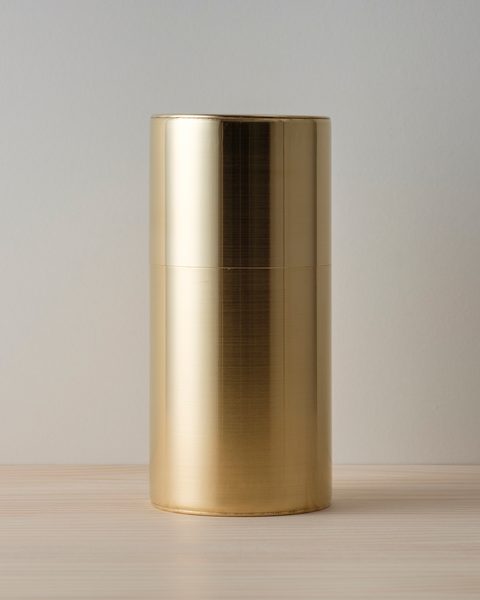
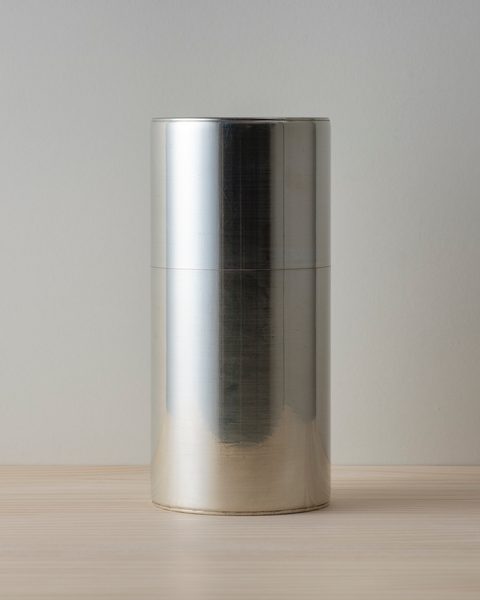
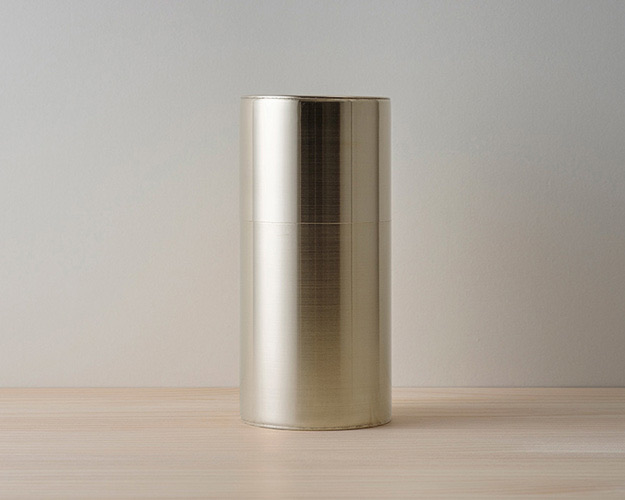
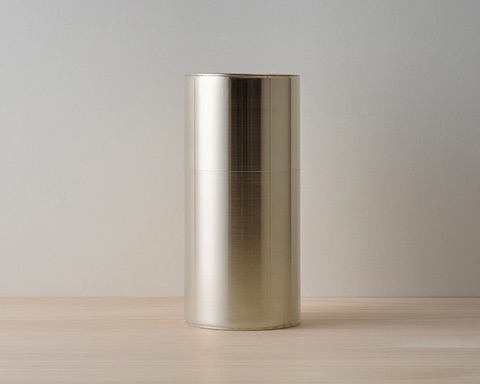
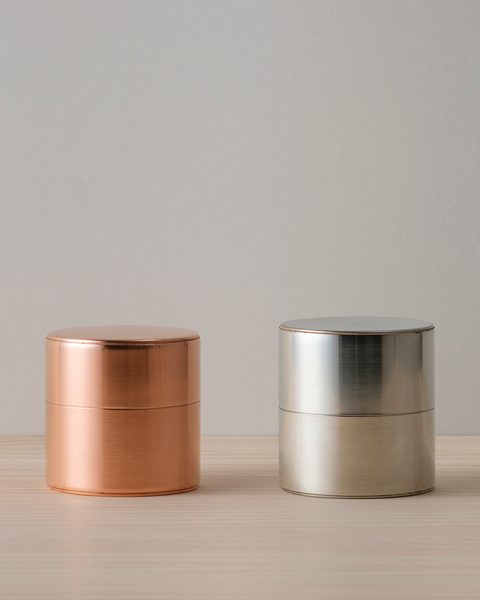
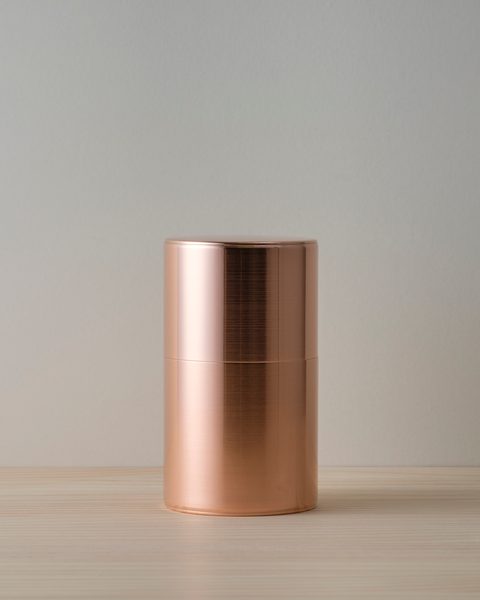
Kaikado pale gold tea caddy, long 400 g

Photographs: Kaikado.

Kaikado道具 · Kyōto, since 1875

Pale gold caddy淡黄銅

Champagne-coloured, and it stays that way: this copper alloy does not darken.

No longer made: Kaikado has stopped making the pale gold caddy; these are our last.

€295incl. VAT · post free

Posted within two working days. Post free.

★ 4.7 · 150+ reviews of the bar on GoogleGoogle reviews of our bar in Berlin; we don’t check who wrote them.

Or a gift card for the webshop, by email →

  • Made by hand in Kyōto.
  • Card, Apple Pay, Google Pay, PayPal or Klarna, on Stripe.

For the record

Size
Long 400 g: 197 × 92 mm (height × diameter).
Named for
How much sencha a caddy holds: Kaikado’s own sizes
Inner lid
A push-down inner lid that sinks gently onto the tea by itself
Material
Kaikado calls it pale yellow copper.
Care
Don’t wash it: Kaikado cleans every caddy before it ships. If water touches it, wipe it with a soft dry cloth and rub gently so no spots form. Keep it out of the fridge and freezer. Lift the lid gently, and when you close it, line up the seam on the lid with the seam on the body. Kaikado repairs dented caddies; for now its workshop has paused repairs.

Product safety

Maker
Kaikado (株式会社開化堂), 84-1 Umeminato-cho, Shimogyo-ku, Kyoto 600-8127, Japan · info@kaikado.jp
Importer
Imported into the EU by KISSABŌ Chelkowska und Chelkowski GbR, Kopenhagener Straße 16, 10437 Berlin, Germany · info@kissabo.com
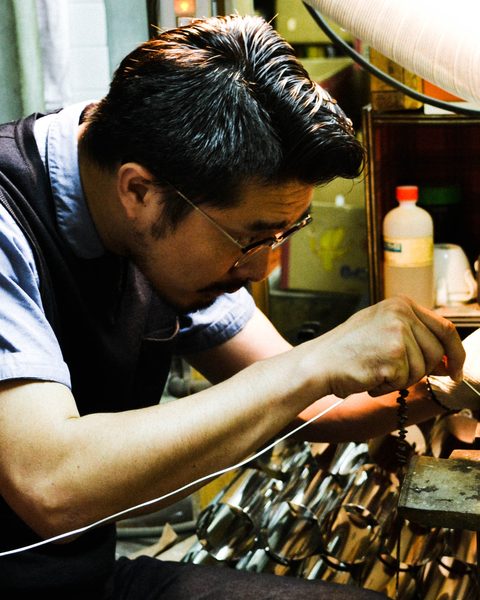
Takahiro Yagi, Kaikado’s sixth generation, at the workbench with a caddy body in his hands
Who makes it · 作り手

Takahiro Yagi

Kaikado’s sixth generation

Six generations of one family, in Kyōto since 1875.

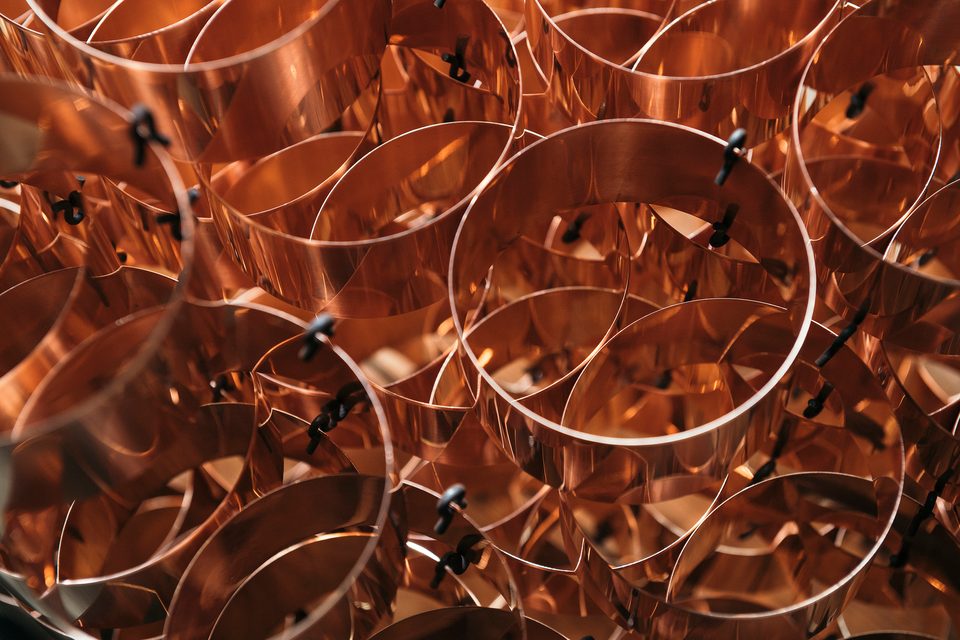
Copper bands hanging on black clips in the Kaikado workshop
The maker · 道具 · Kyōto

Kaikado開化堂

Handmade tea caddies — Kyōto, since 1875.

Made by hand in more than 130 steps. Line up the seams and the lid sinks shut in one silent motion, airtight. Its colour changes with every year of use.

Keien · 経年変化

It isn't finished
until you've used it.

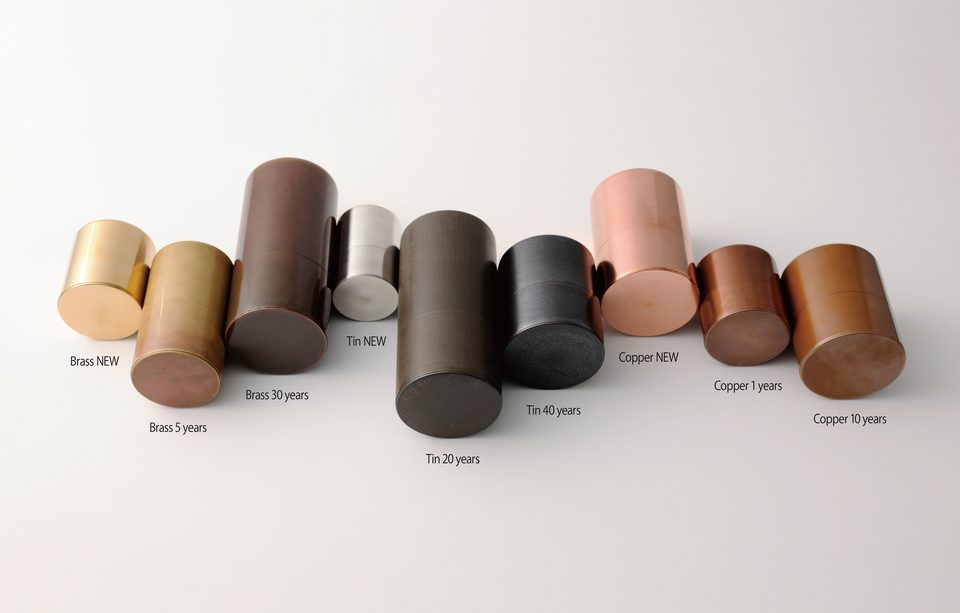
A Kaikado caddy changes with the hands that use it. Copper starts to turn in two or three months, brass in a year or two, tin in three to five. Stroke the whole caddy day after day, Kaikado says, and it brings out “a mysteriously elegant sheen”.

Buy one once. In a few years you'll recognise it across a room; in twenty it will be nobody's but yours. It is the opposite of disposable — which, lately, is the opposite of most things.

Nine Kaikado caddies side by side — brass, tin and copper, from new to 40 years of use, each darkened to its own colour
Brass new, after 5 and 30 years · tin new, after 20 and 40 years · copper new, after 1 and 10 years. Photo: Kaikado.
The story · 物語

130 steps, six generations.

Read the story

Kaikado has made chazutsu, tea canisters, in Kyōto since 1875, from tinplate imported from England. Six generations on, it still works by the hand techniques its founder developed, more than 130 steps for every canister, until the lid, lined up with its seam, sinks shut in one silent motion and keeps the air out.
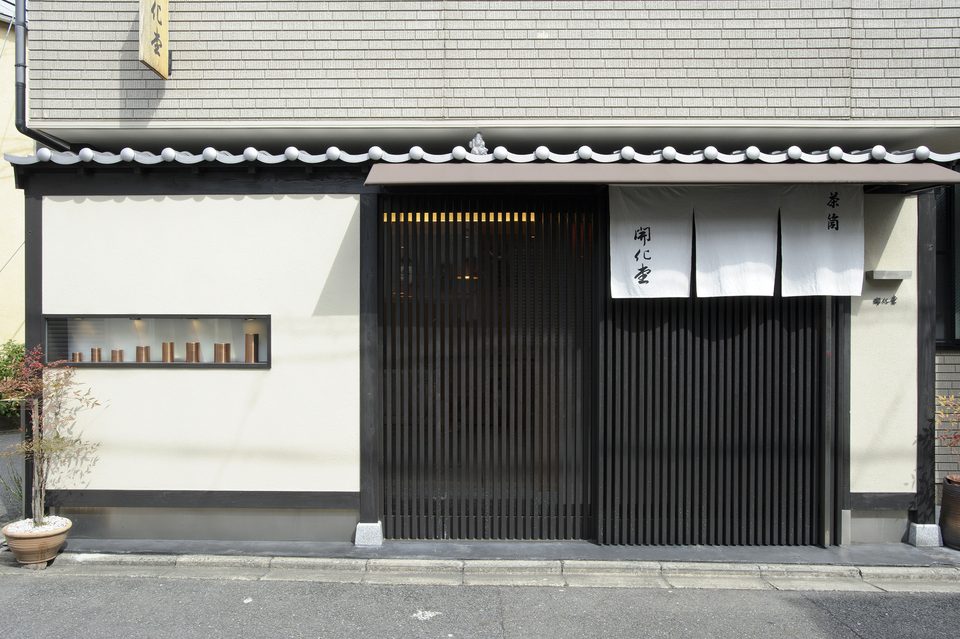
Kaikado’s shop in Kyōto: dark lattice doors and a white noren reading 開化堂
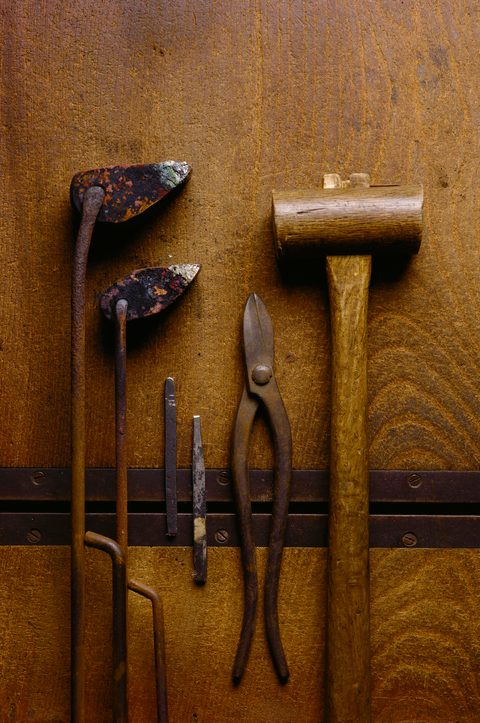
Kaikado’s hand tools on a wooden board: irons, chisels, shears and a wooden mallet
Kaikado’s hand tools

In the Second World War, when metal was collected for the war effort, the third generation buried the workshop’s tools, went on making chazutsu in secret, and was imprisoned for it. Later, when the fifth generation wondered whether the workshop had a future, the sixth, Takahiro Yagi, today’s president, saw the value of the chazutsu anew, opened it to a wider public and took it out into the world.

“Like fine wine, chazutsu becomes even more appreciated with age.” — Kaikado

That is the part we like most — and the reason we carry it. A Kaikado caddy keeps changing for as long as it is used.
喫茶房

The caddy your tea deserves.

Choose your metal ↑