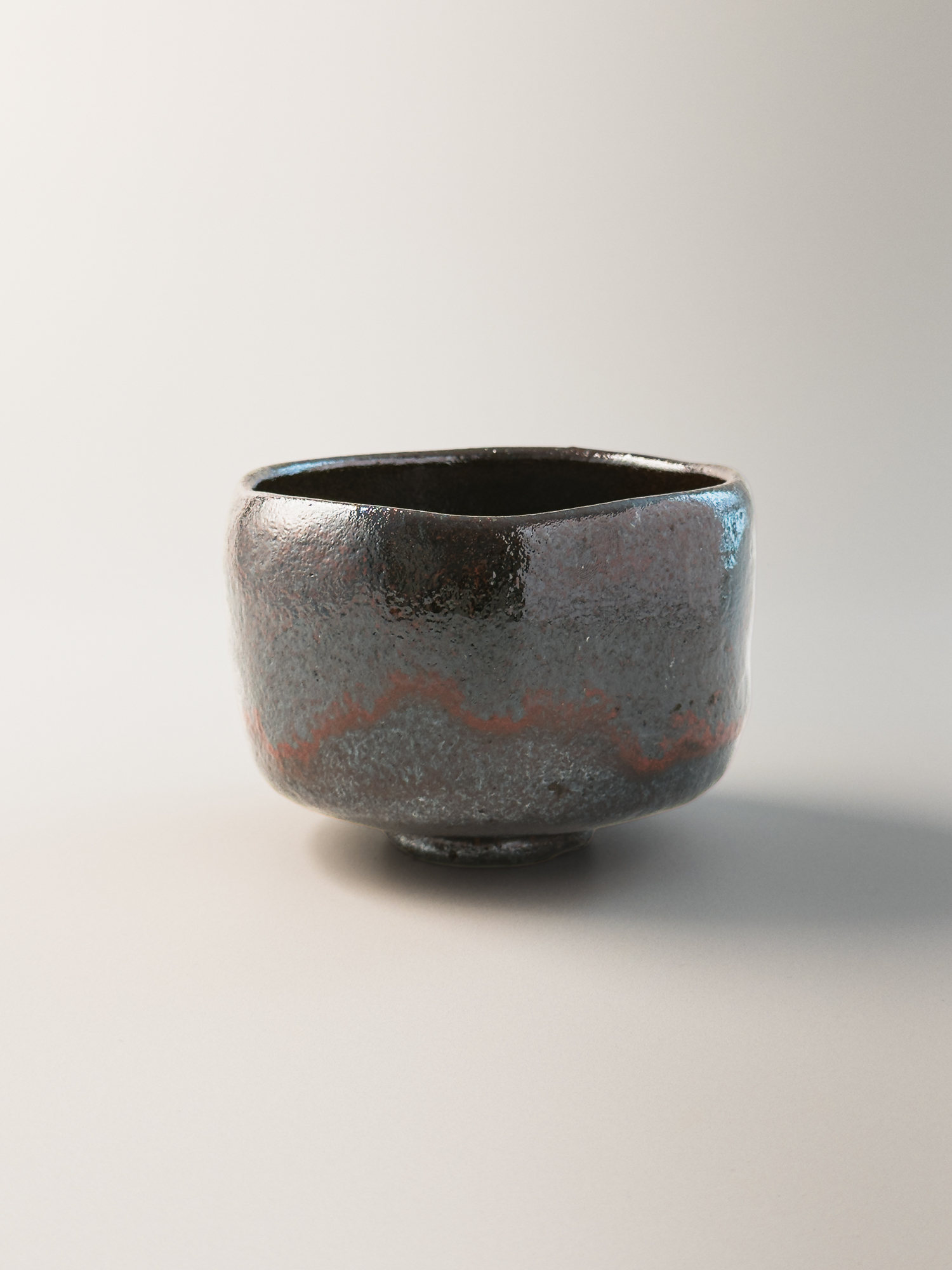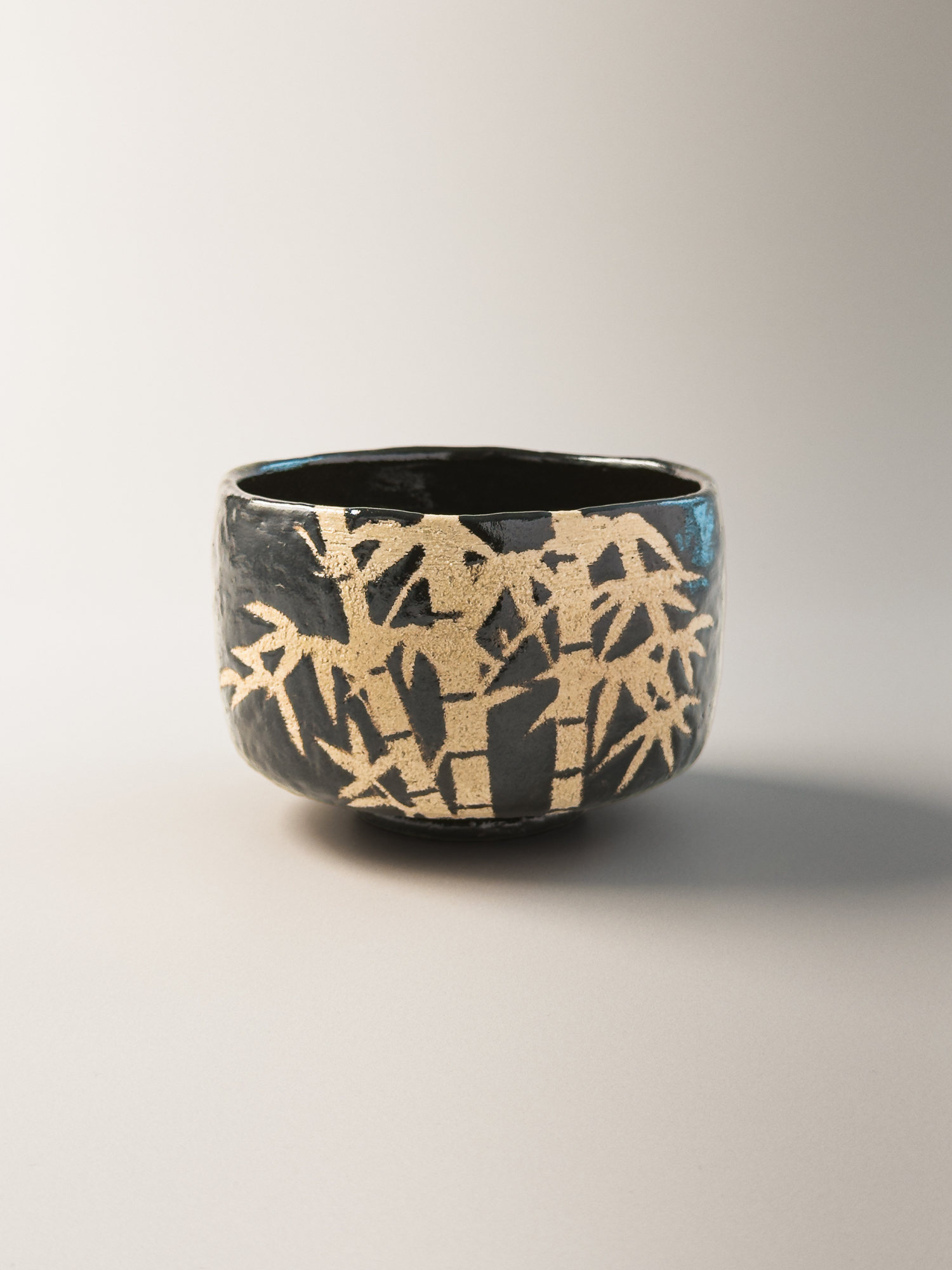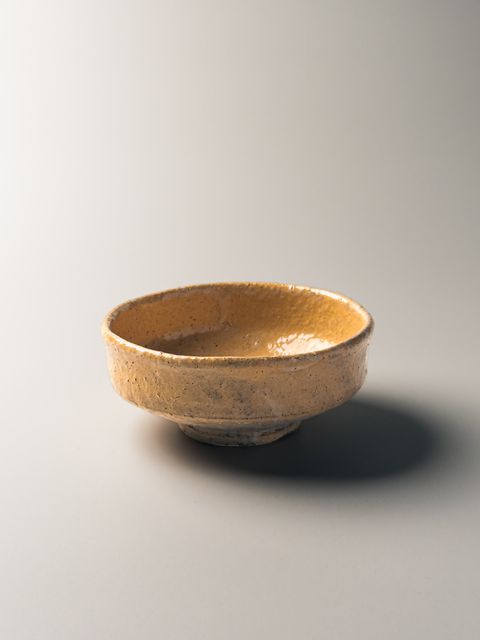
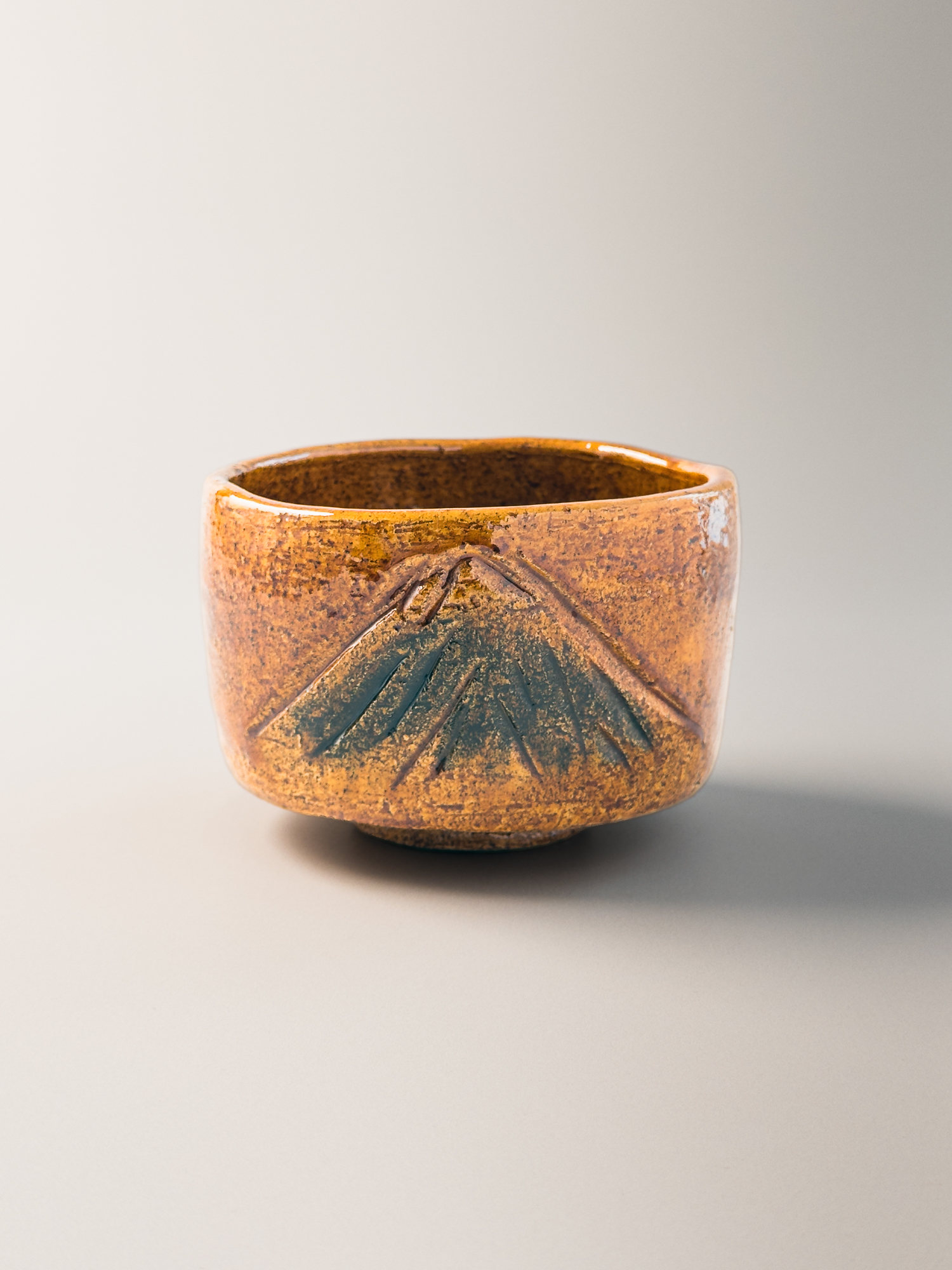
Mt. Fuji Tea Bowl
Katsura-gama · Raku · No. 2
Amber glaze, carved in the form of Mt. Fuji.
€330incl. VAT · post free
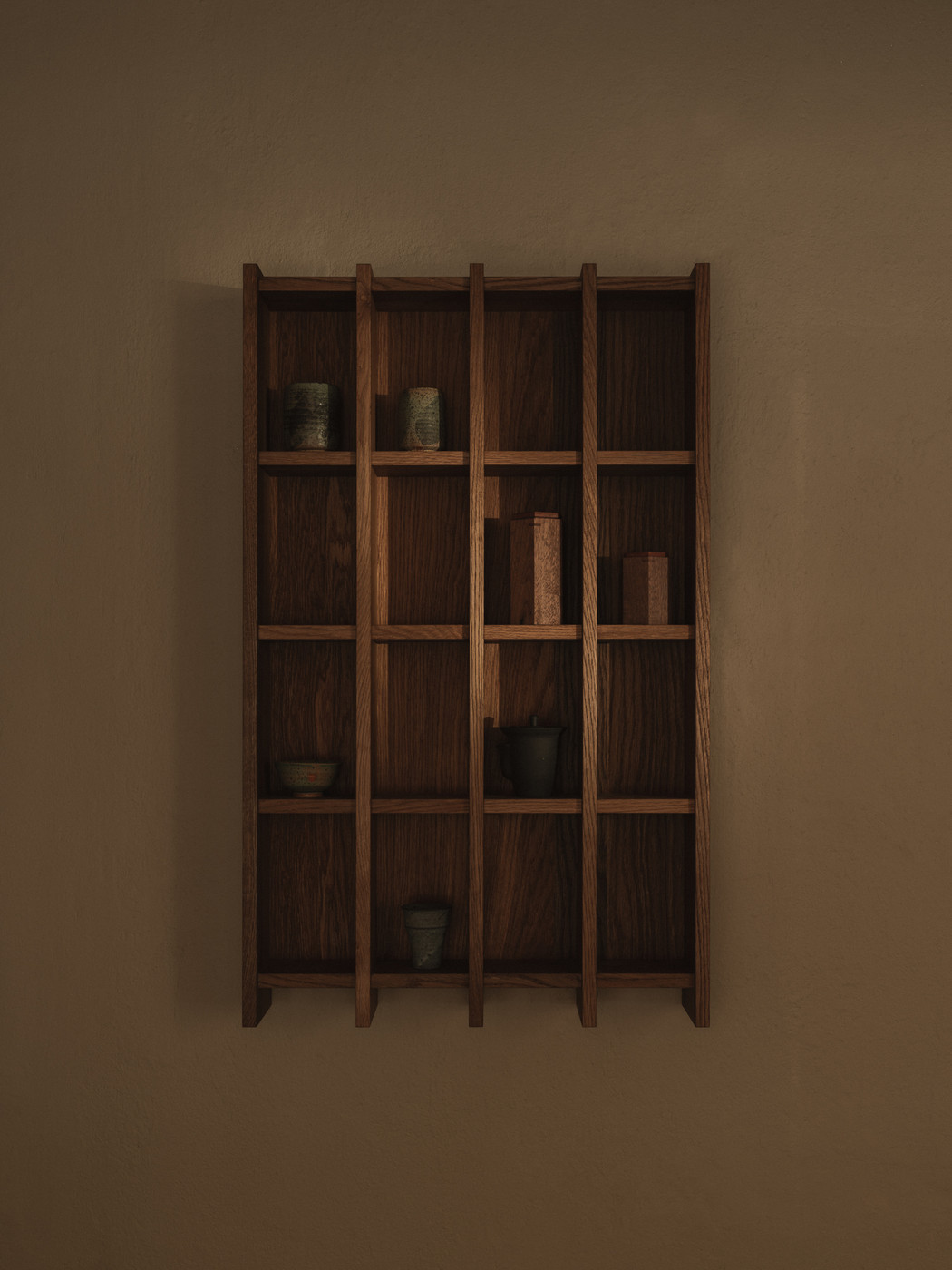
Bowls, caddies, cloth, works on paper and books, with the maker named on every piece, and our own season cards. Almost everything we sell stands on the shelves at the bar first; the noren is dyed to order. For a gift, there is a gift card for the webshop by email too.
Posted within two working days. Germany €4.90, free from €69 · EU €14.90, free from €99.
One page each: who they are, and how the pieces are made.
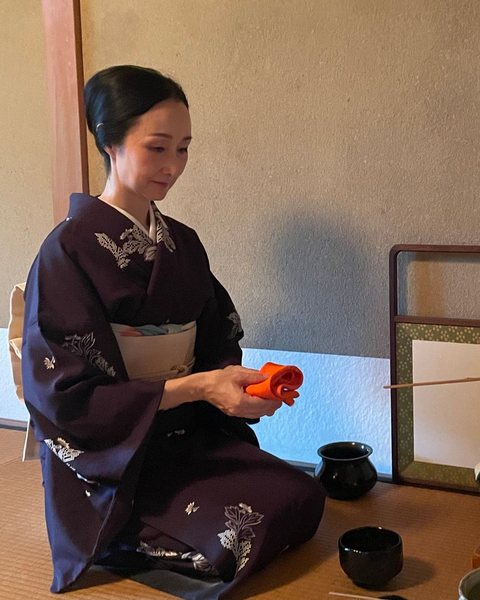 Katsura-gama桂窯Kyōto · Raku bowlsA Raku kiln run by the Higaki family.
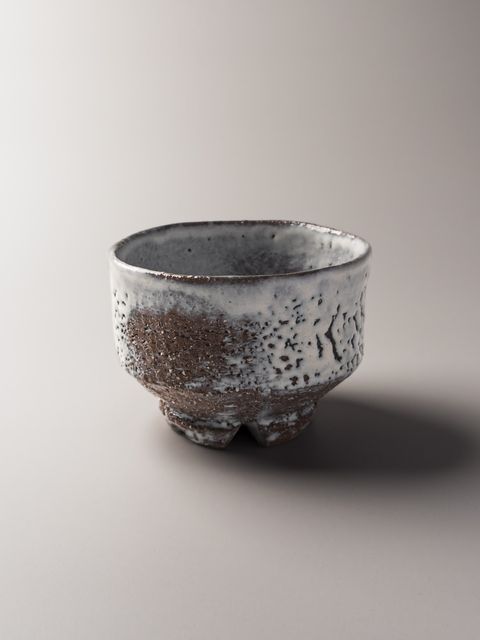 Hagi yaki萩Hagi, Yamaguchi · BowlsKunisuke Nakahara, Setsuo Hara and Seigan Yamane.
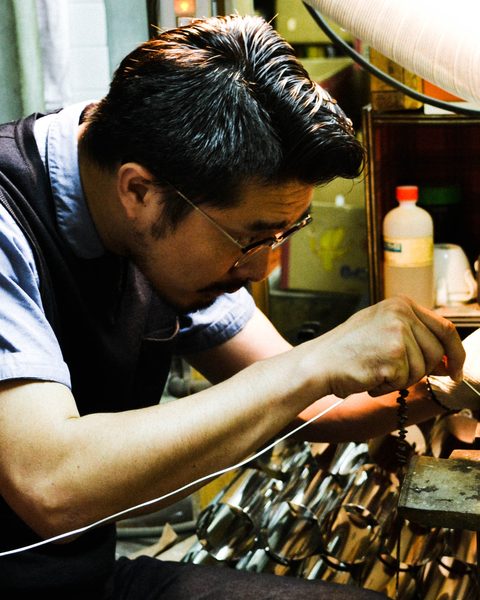 Kaikado開化堂Kyōto, since 1875 · CaddiesTakahiro Yagi is the sixth generation.
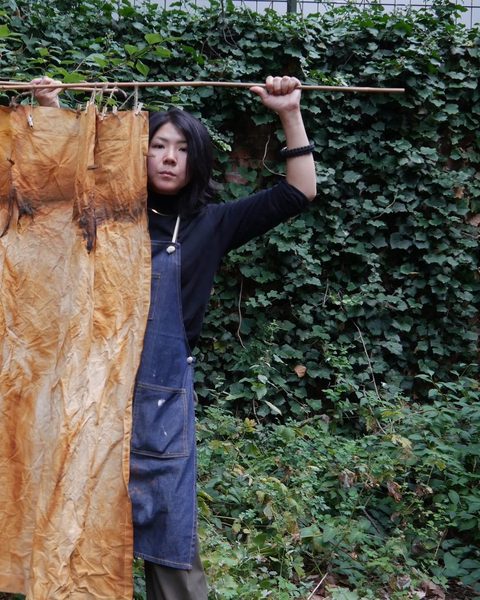 Yurika Saito染Berlin · Cloth and paperJapanese paper dyed with tea, and a noren.
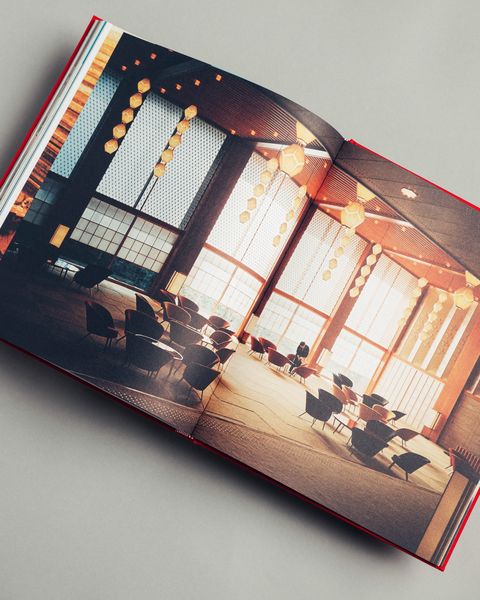 ERG Media本Milan & Tokyo · BooksTed Gushue’s publishing house.
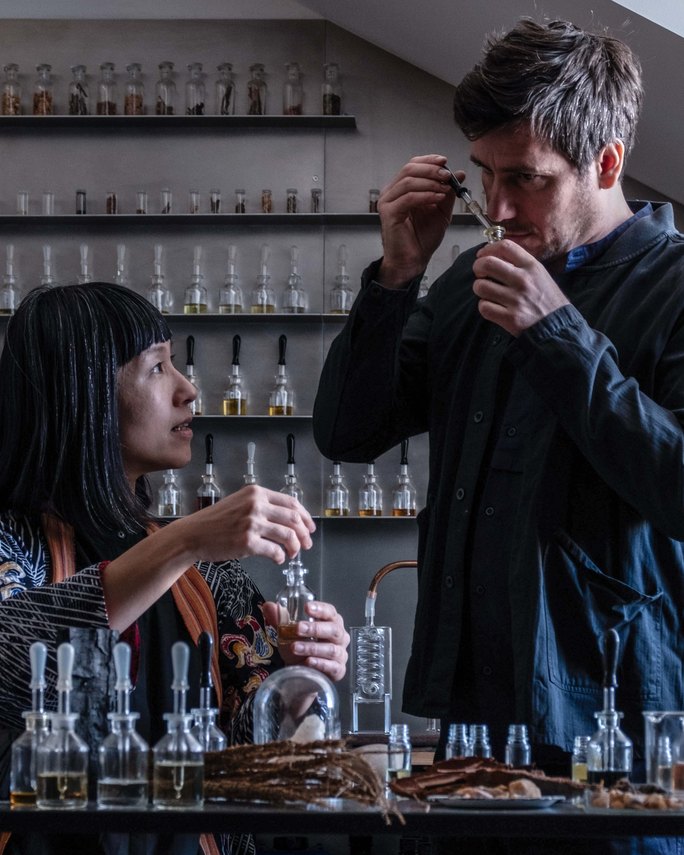 AOIRO白土Berlin · ScentShizuko Yoshikuni and Manuel Kuschnig. Soon on our shelf.
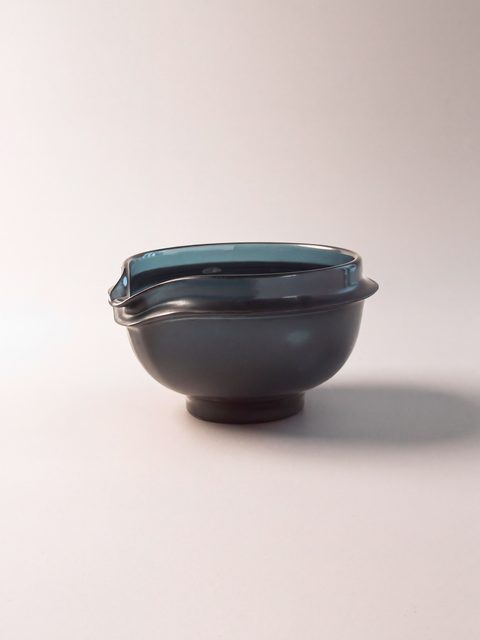 MTCH片口Bangkok · KatakuchiA matcha bar in Bangkok, and its katakuchi.
Hagi yaki萩Hagi, YamaguchiMeet the potters →
Our own things, from the bar in Berlin: the season cards, and soon a tote bag. And a gift card by email, for the webshop only. Photo: Clemens Poloczek.
Nineteen tea bowls, from €90. From Katsura-gama, one bowl of each design; the Hagi bowls are one of one.incl. VAT · post free in Germany
A Raku kiln on the western edge of Kyōto, run by the Higaki family. Each bowl is made by hand in its workshop, under the direction of Rumi Higaki, and comes in its own paulownia box that she has inscribed. One bowl of each design.
Meet the kiln →Amber glaze, carved in the form of Mt. Fuji.
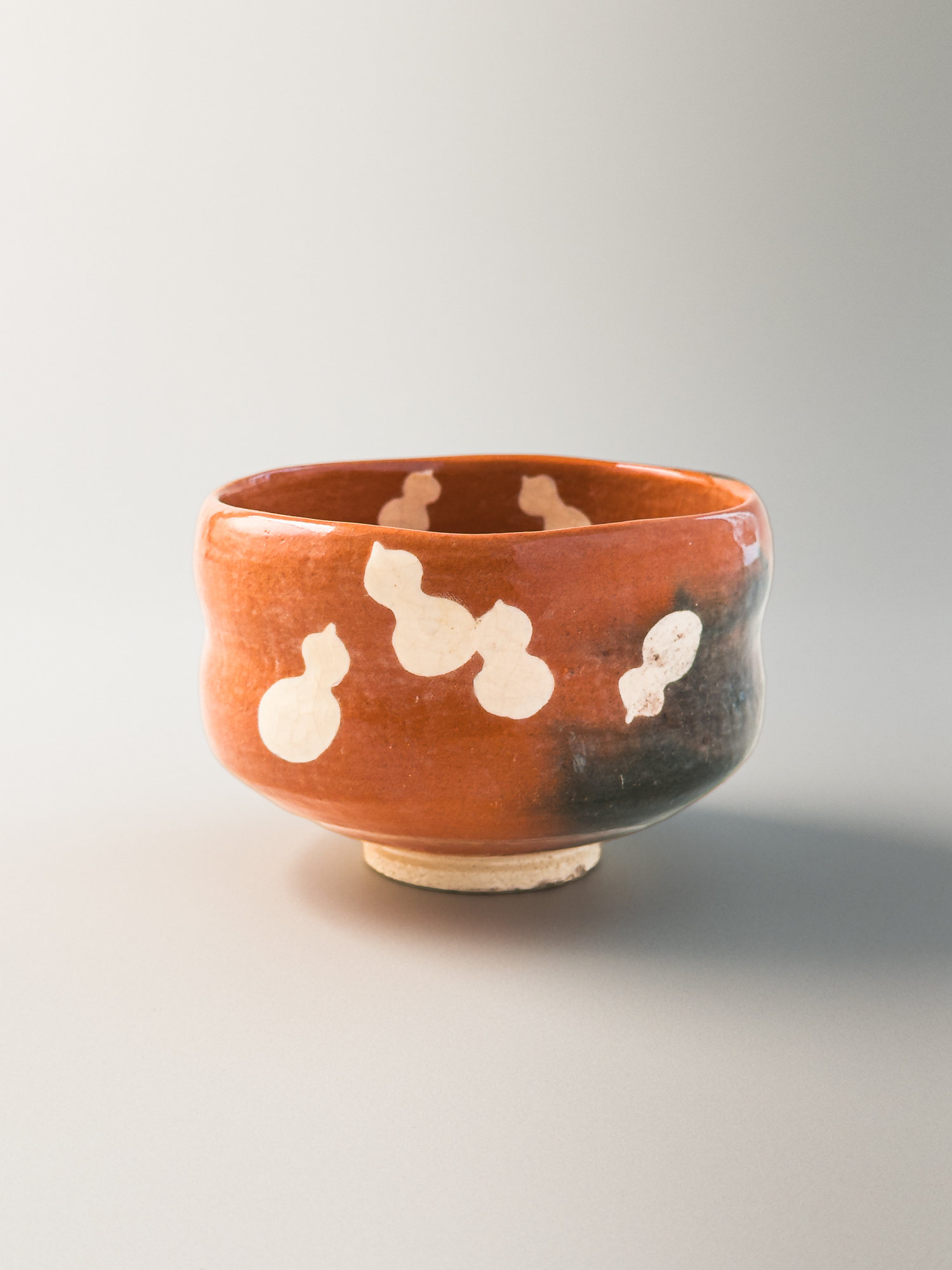
Red, with white gourds on its side. “Six gourds” (mubyō) is an old lucky motif.
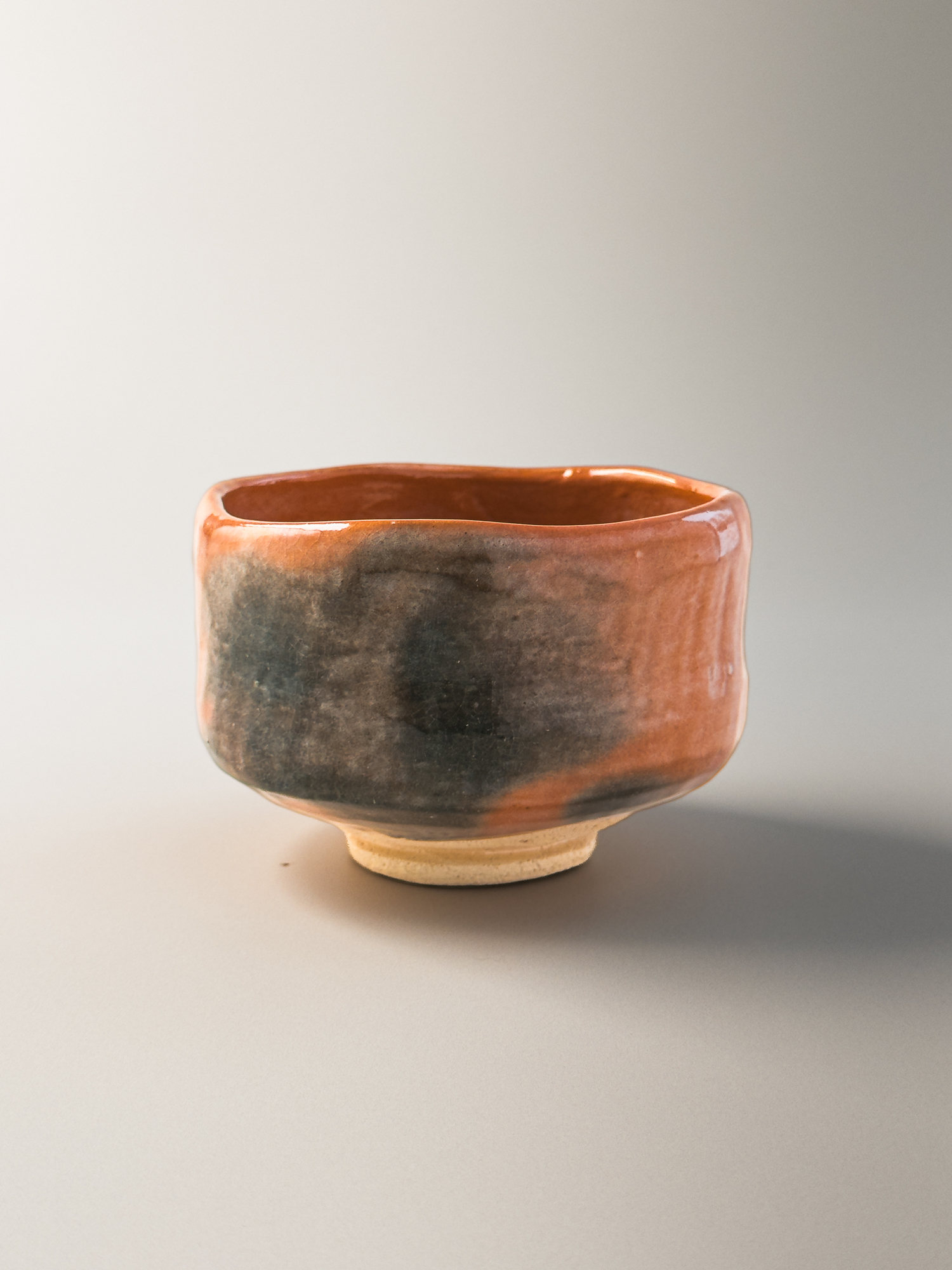
Soft red, clouded with smoky grey. The character for longevity is painted inside.
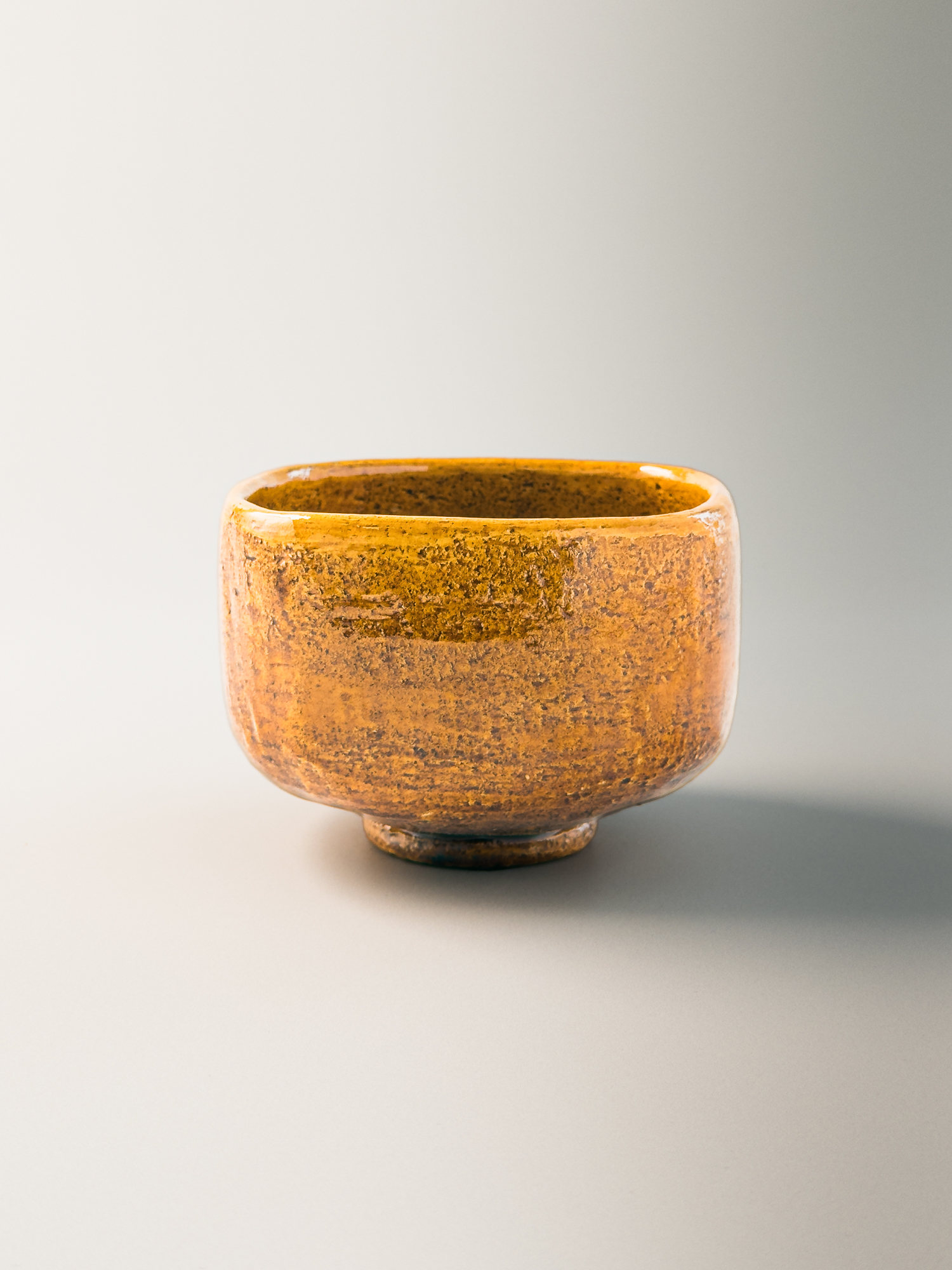
A plain amber-yellow glaze, finely speckled.
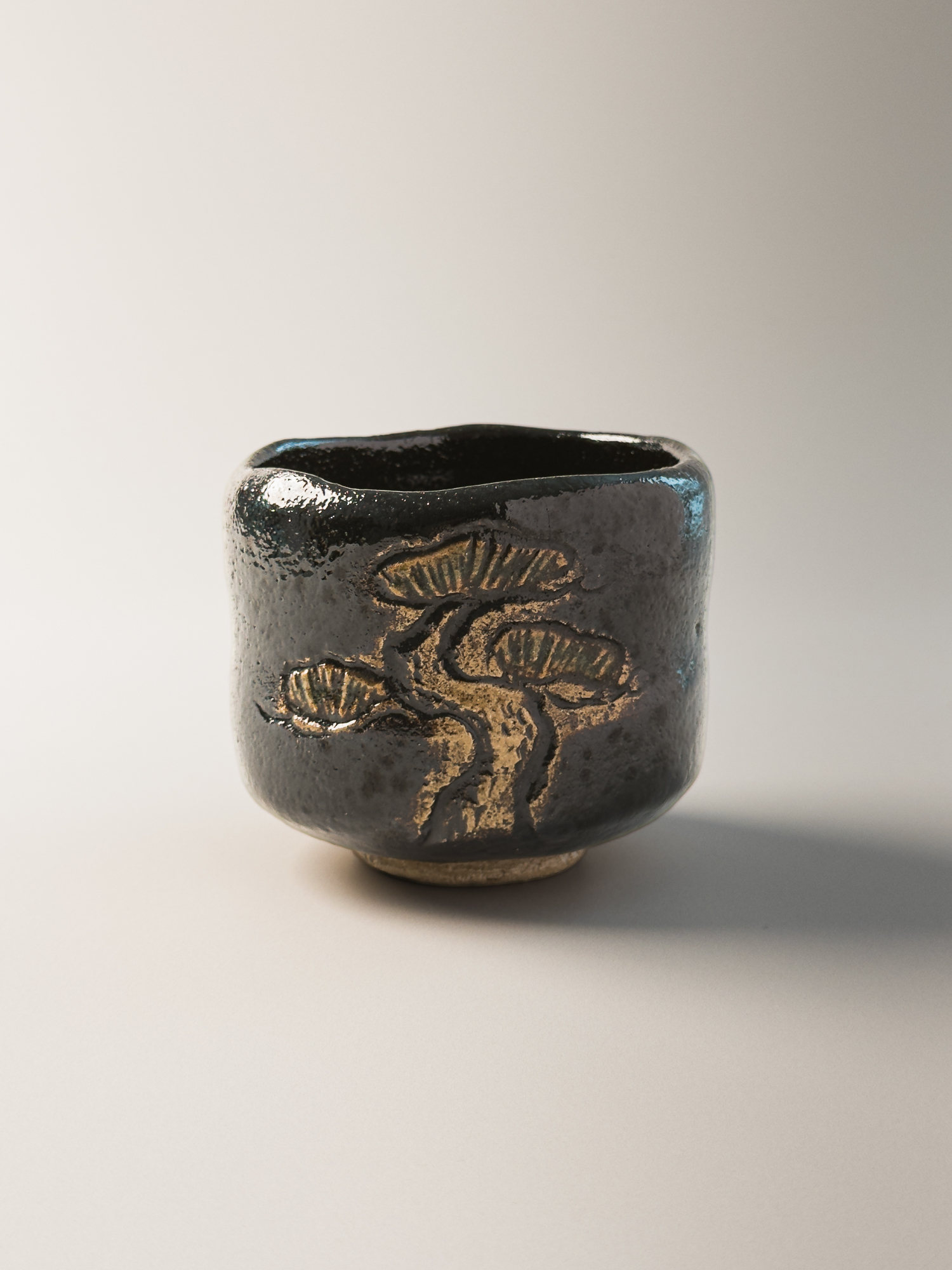
Black, with an old pine in pale gold: a wish for a long life.
A glossy, dark red-brown glaze.
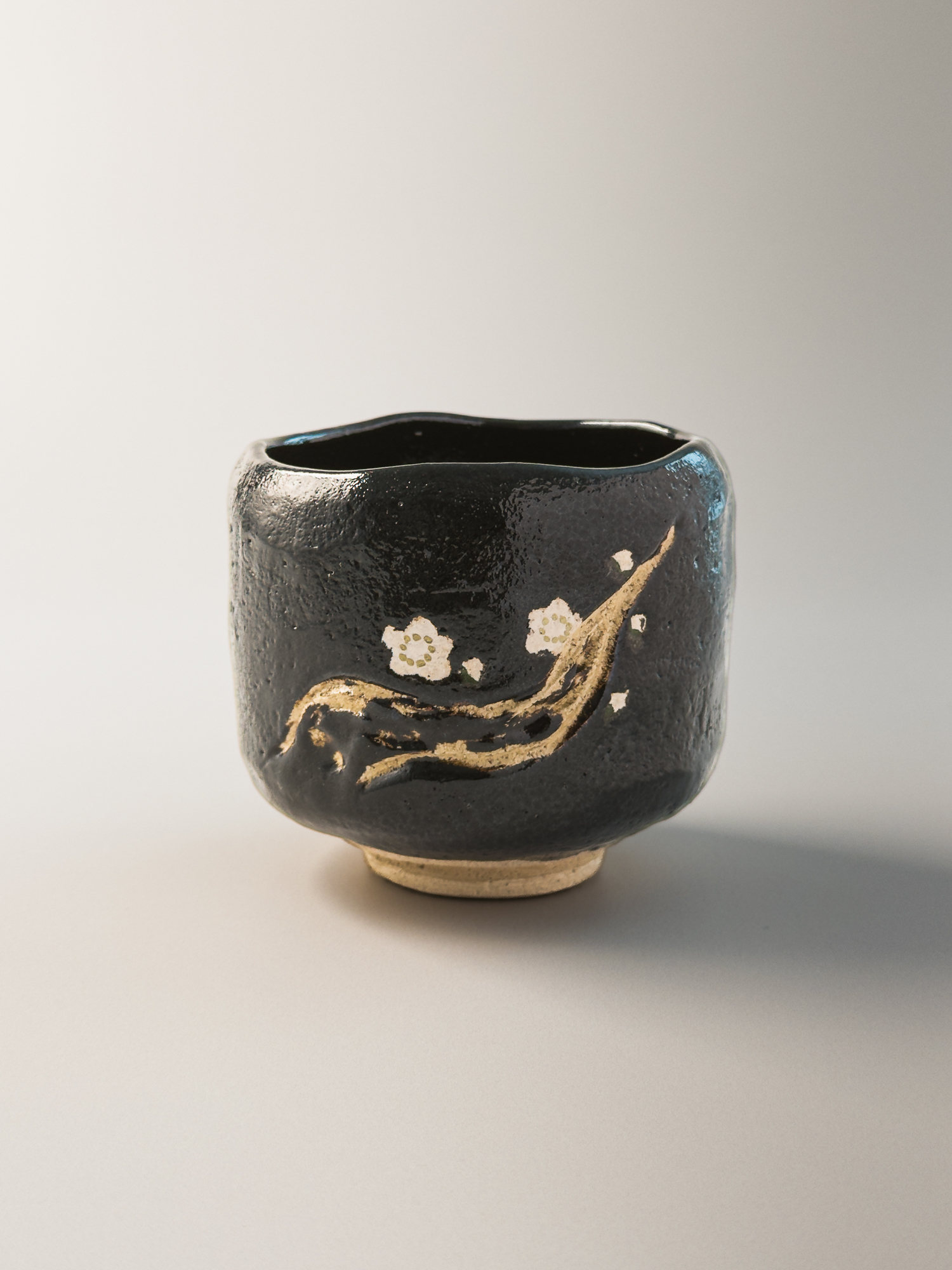
Black, with a pale gold plum branch and white blossoms.
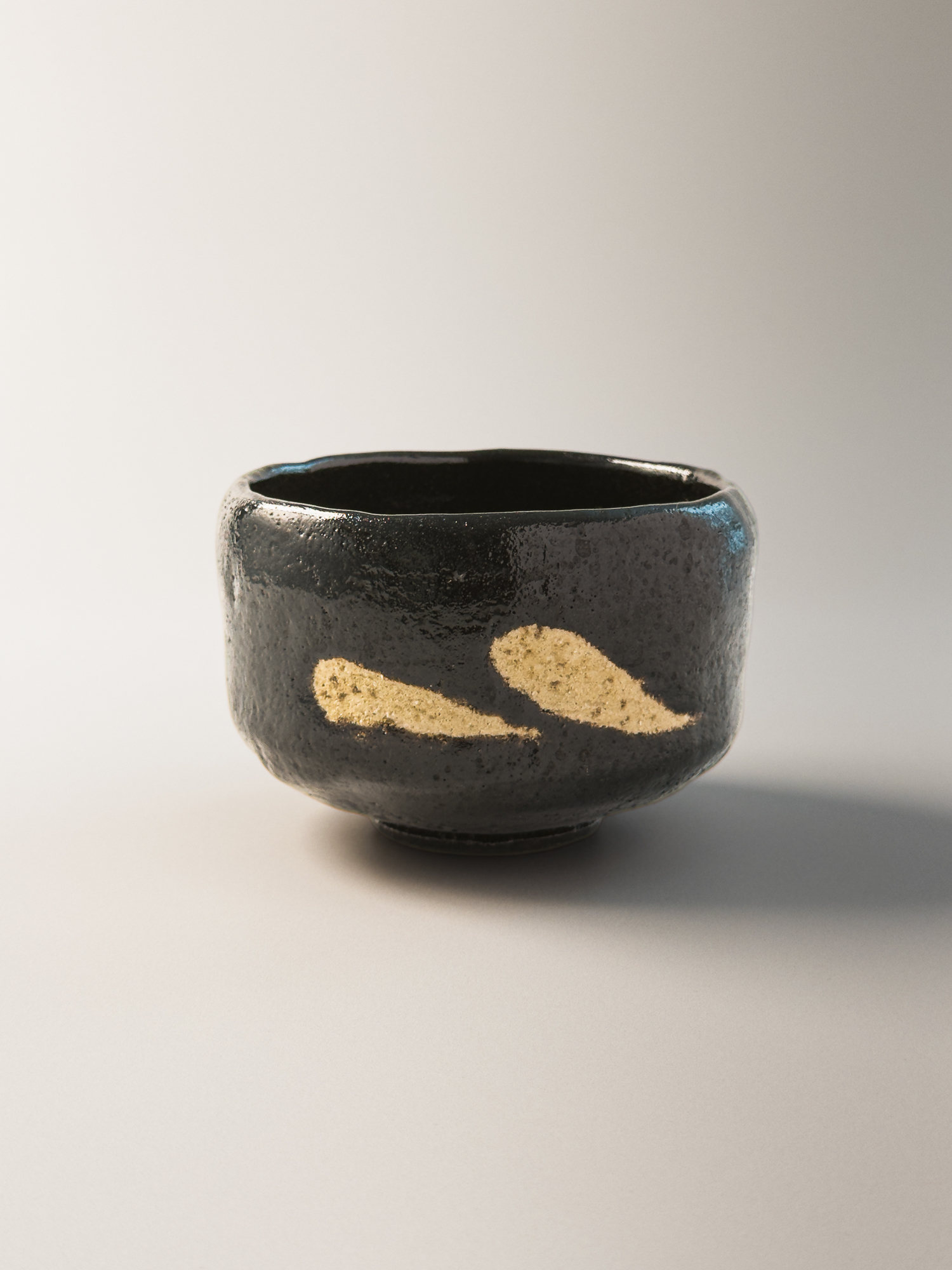
Black, with two long leaf shapes in pale gold.
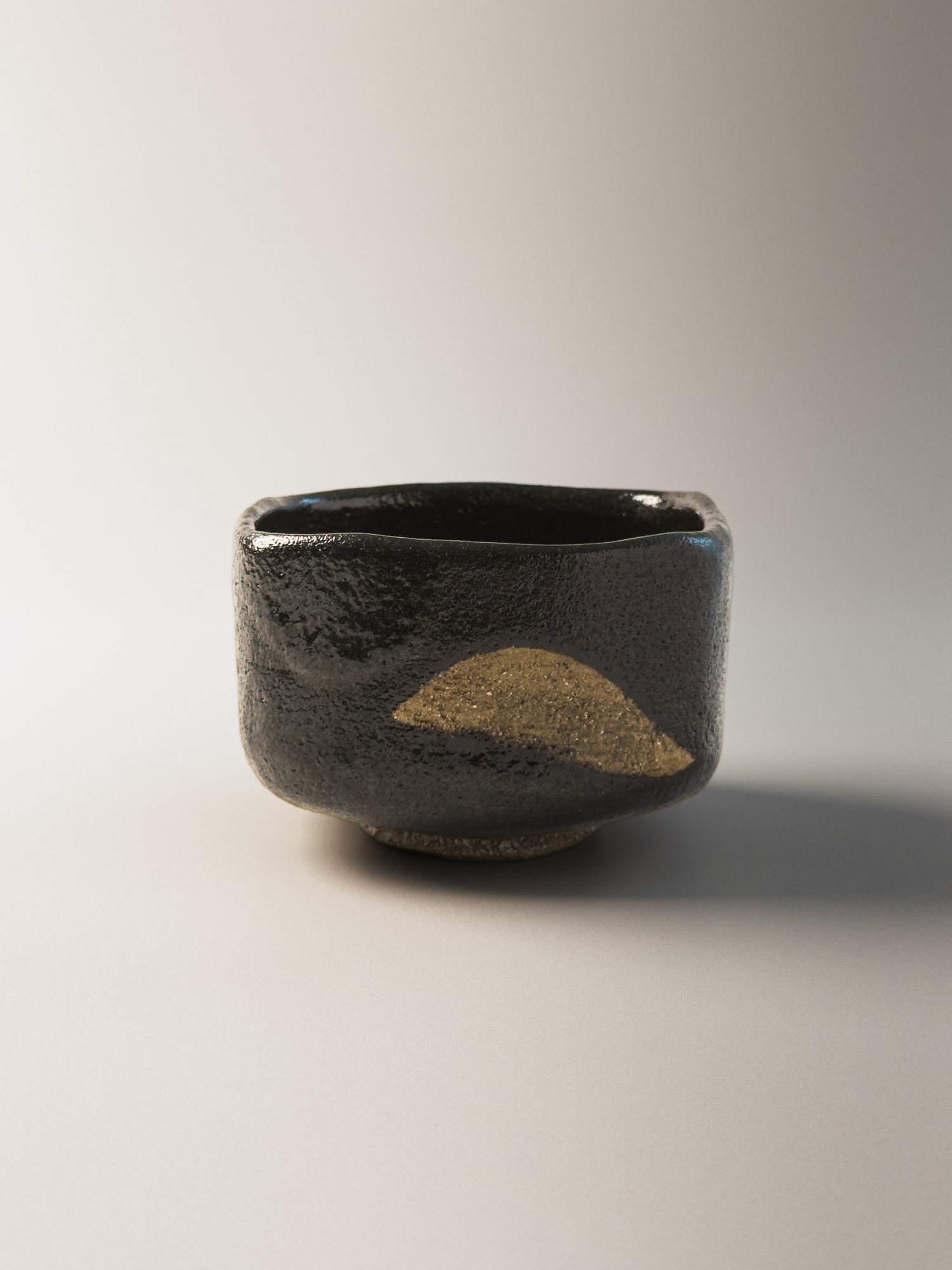
Black, with one broad shape in pale gold.
Black, with pale bamboo stems and leaves.
By trial and error, at first with a friend; his own kiln since 1976 — tea bowls in crawled kairagi glaze and Kyūsetsu white.
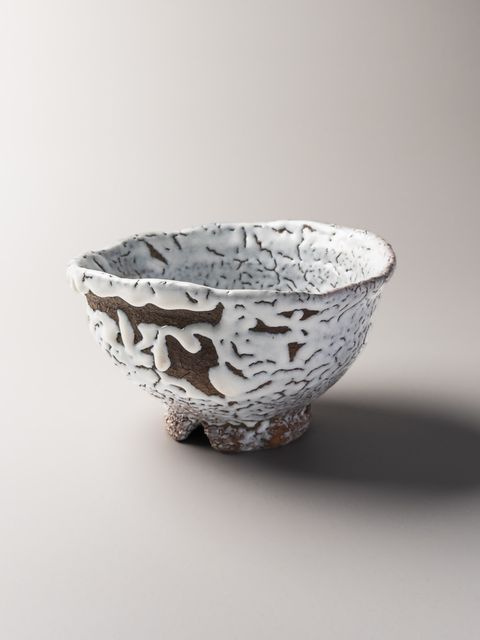
Meet the potter →White crawl glaze over dark brown, crackled clay. With its signed wooden box.
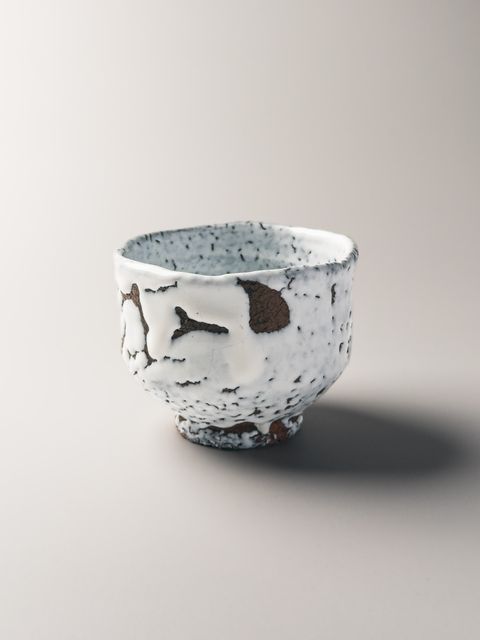
A small cylinder in thick white glaze, with windows of bare dark clay.
Thin grey-white glaze over coarse, gritty brown clay. The bowl we’d pick for Yoi.
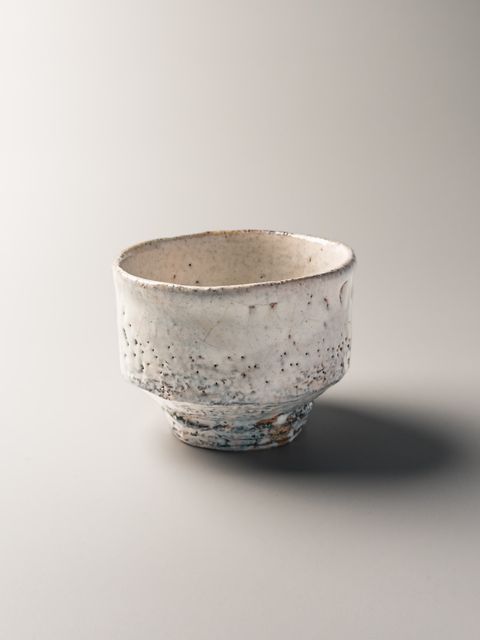
Cream-white glaze with fine crazing and rows of pinholes. A hairline crack at the rim: see the full page.
Ochre glaze with dark iron speckles, on a low foot.
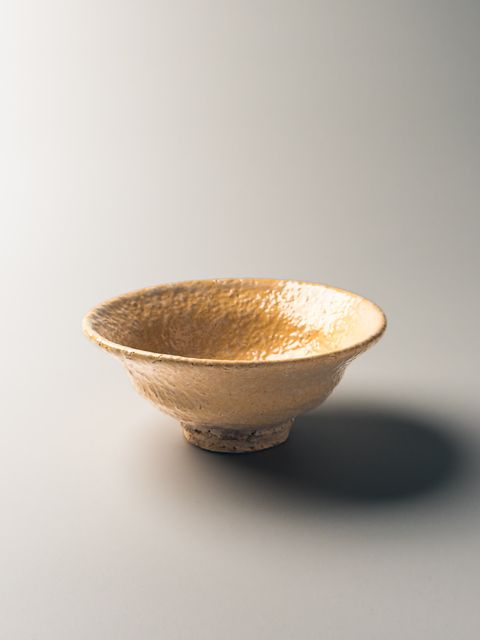
A flared bowl in crackled, dimpled ochre glaze.
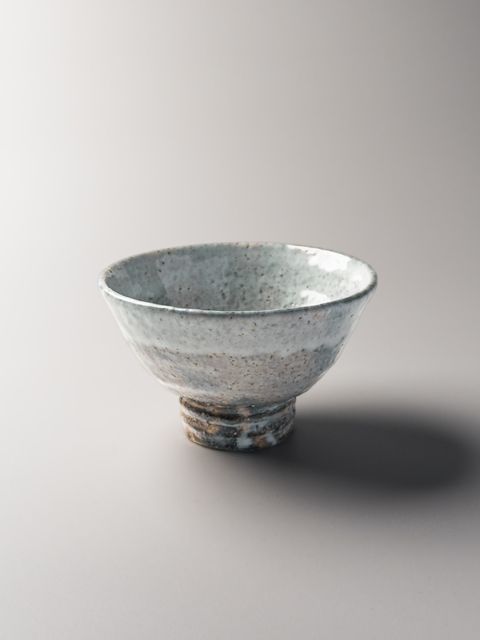
Speckled blue-grey glaze on a tall, ringed foot.
Self-taught, kiln opened 1991 — his blues are called “Seigan Blue.”
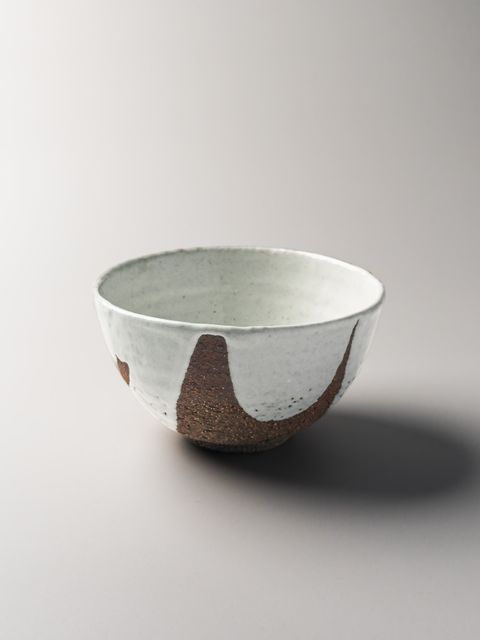
Meet the potter →White glaze with a wide band of bare brown clay.
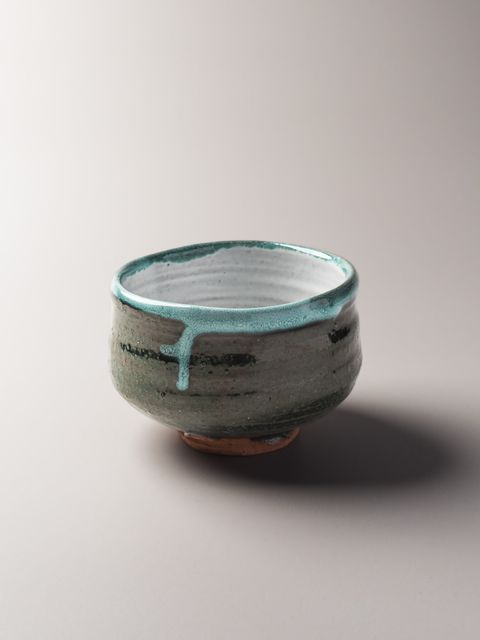
Dark green glaze with a turquoise drip from the rim.
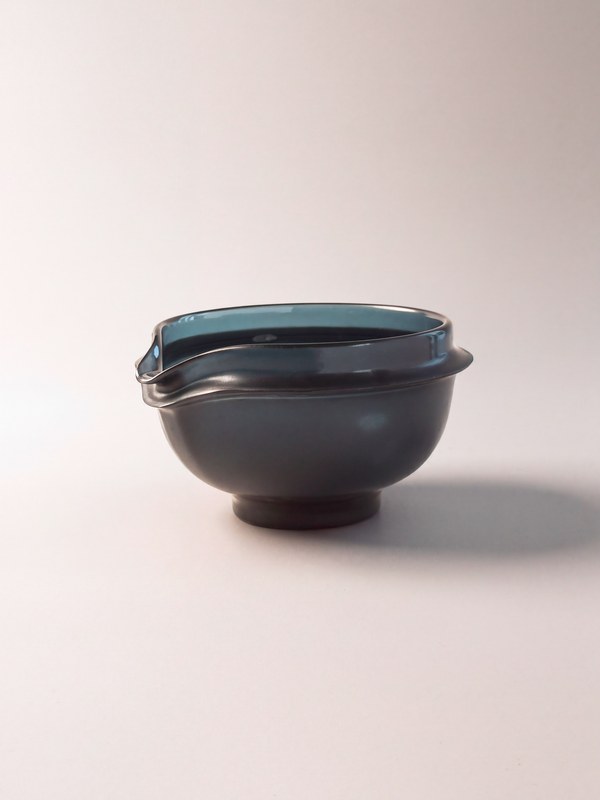
A katakuchi is a bowl with a lip to pour from. Whisk the matcha in it as in any bowl, then pour it into the milk in one clean line. It goes with Hidamari and Akebono, our teas for sweetened milk and drinks. Photo of the MTCH katakuchi: Kissabō.
Tritan plastic, 250 ml, in Air or Shade. Whisk in it, then pour into the milk.
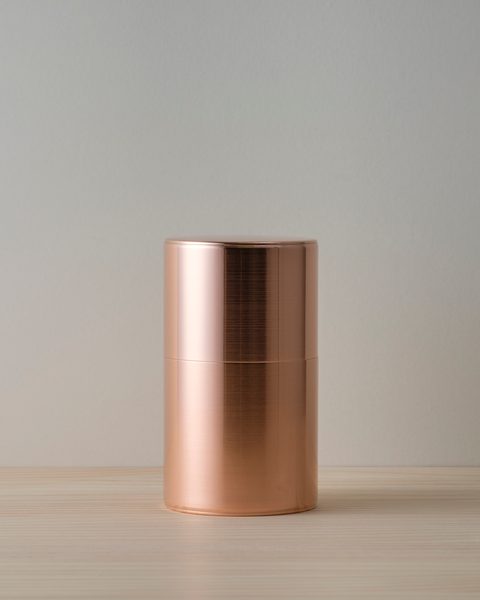
Made by hand in more than 130 steps; line up the seams and the lid sinks shut in one silent motion. Photos: Kaikado.
Meet the maker →A copper caddy that holds 40 g of matcha, a second one with a sieve and a spatula to sift it, a copper scoop and a pouch.
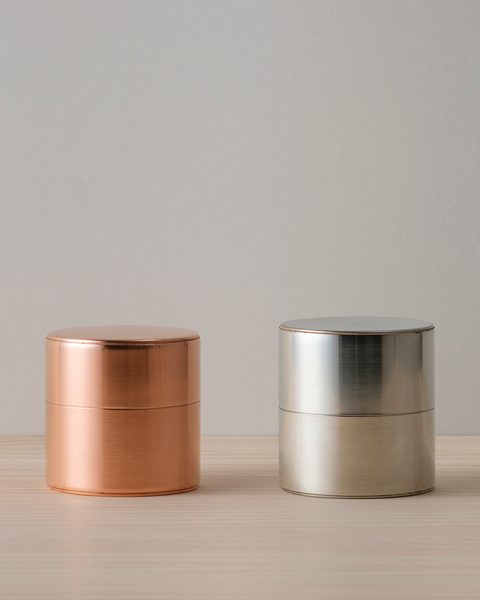
Rose-bright now; it starts to turn in two or three months and keeps deepening for years.
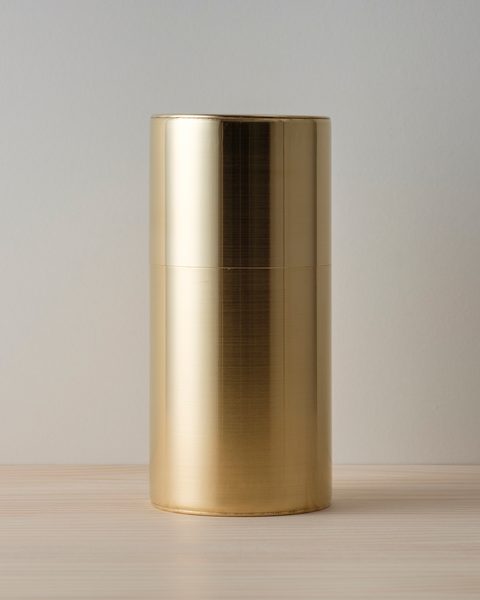
Bright gold now; it changes in a year or two, toward a deep brown over decades.
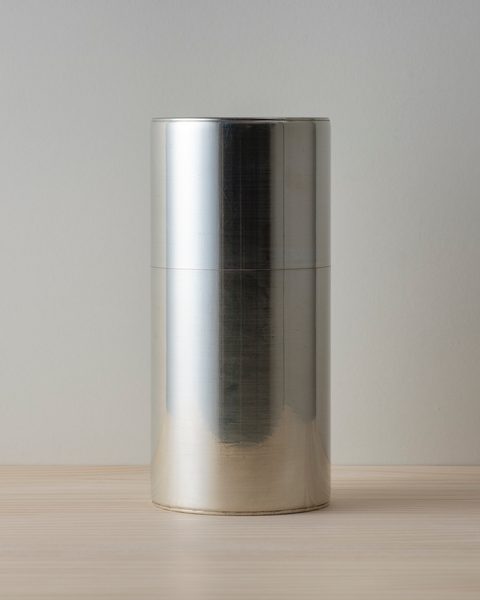
The 1875 original. It changes slowest, in three to five years, and after decades turns almost black.
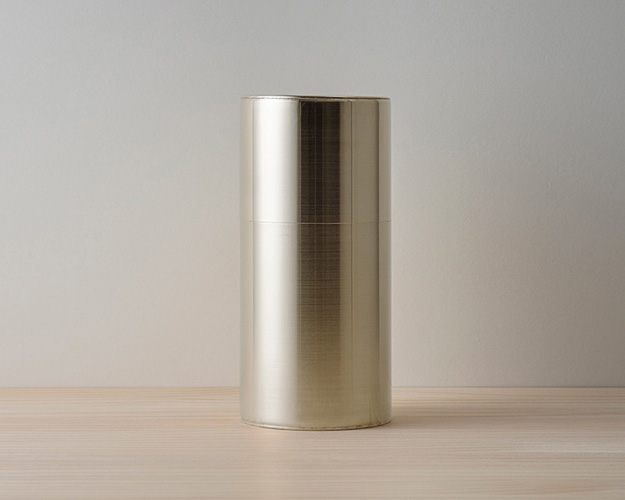
Champagne-coloured, and it stays that way: this copper alloy does not darken.
No longer made: Kaikado has stopped making the pale gold caddy; these are our last.
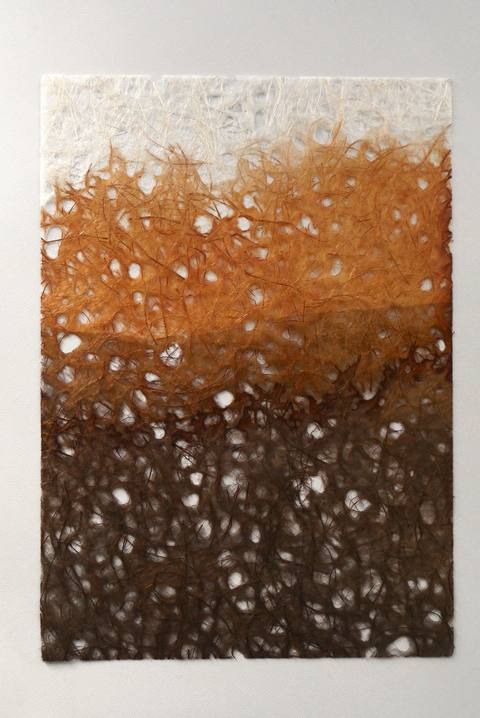
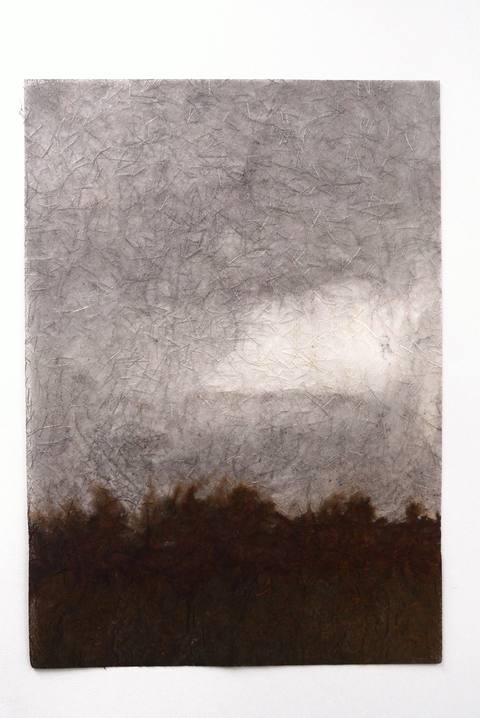
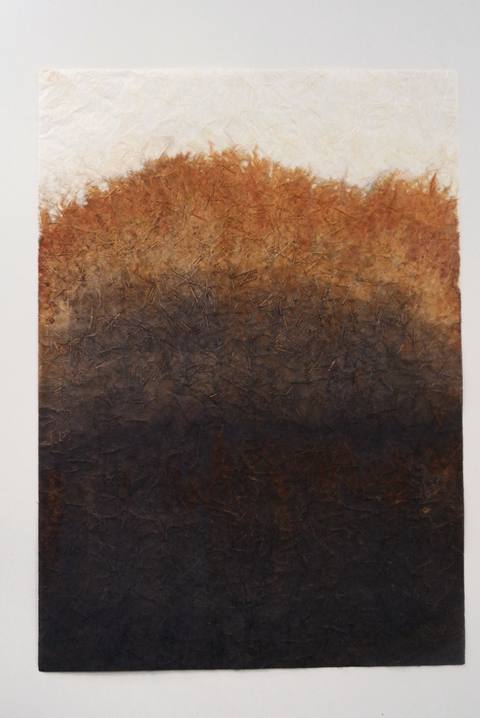
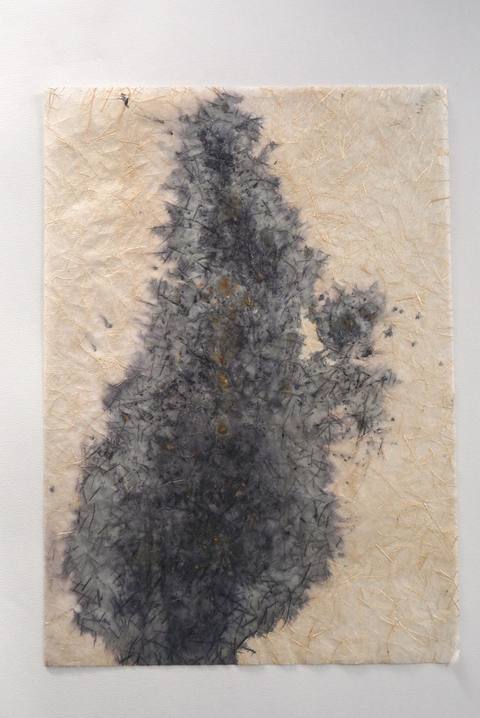
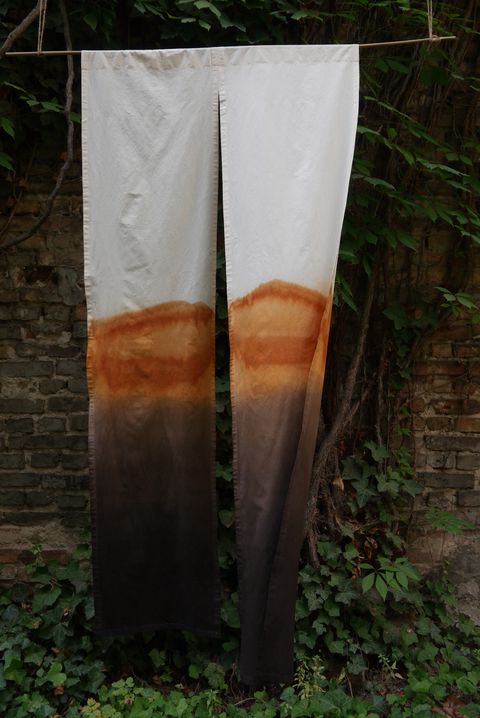
Works on Japanese paper, dyed by hand with tea, €180 each. A noren, dyed to order, €380.incl. VAT · post free
Tea dye Washi 茶染め和紙: five sheets of Japanese paper dyed with tea, the colour set with rust or with crystals from an onsen. Each is one of one. And a noren, dyed to order.
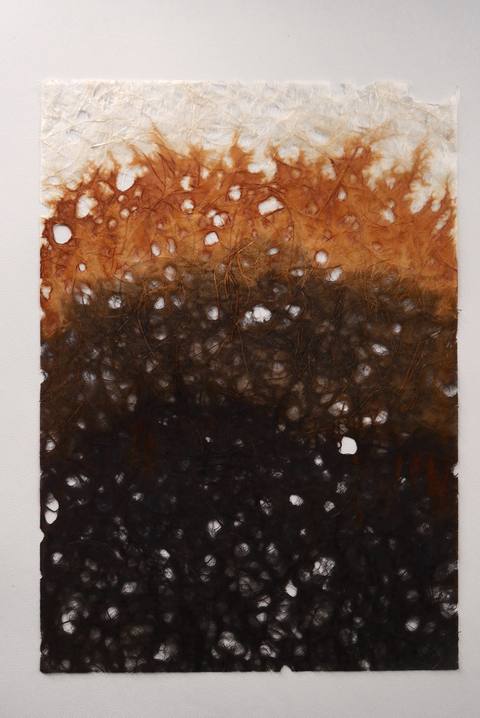
Meet the dyer →White, a band of rust, then dark brown into black; open with holes.
A white top, a broad amber band, then grey brown; open with holes.
Grey with a lighter band, dark brown along the foot.
Off-white, a rust crest, then dark grey into black.
Cream paper, a grey-black shape rising up the middle.
In a doorway, between two rooms, by a window, or flat on a wall.
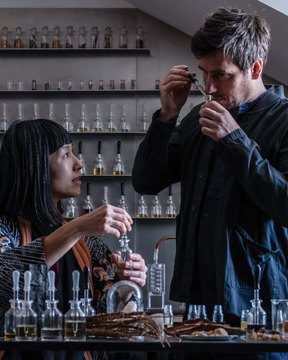
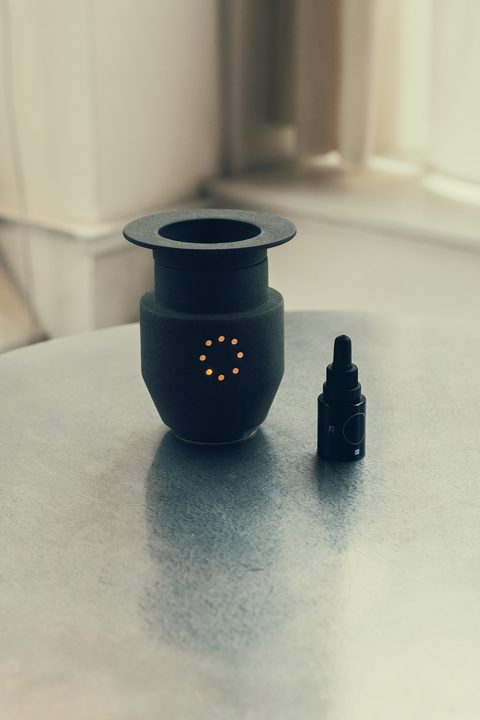
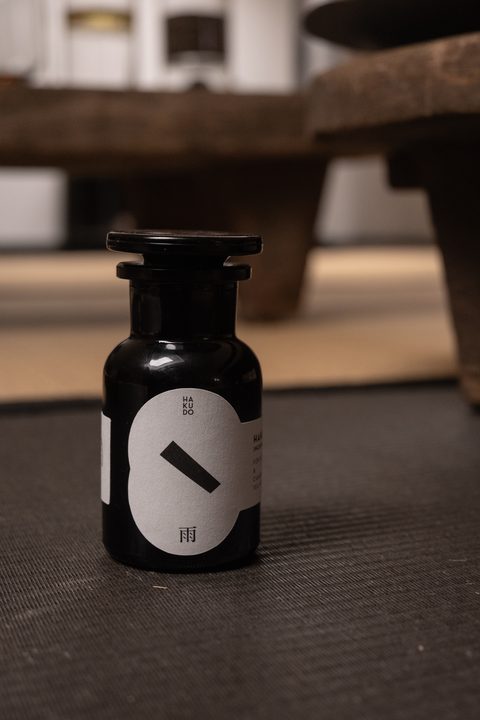
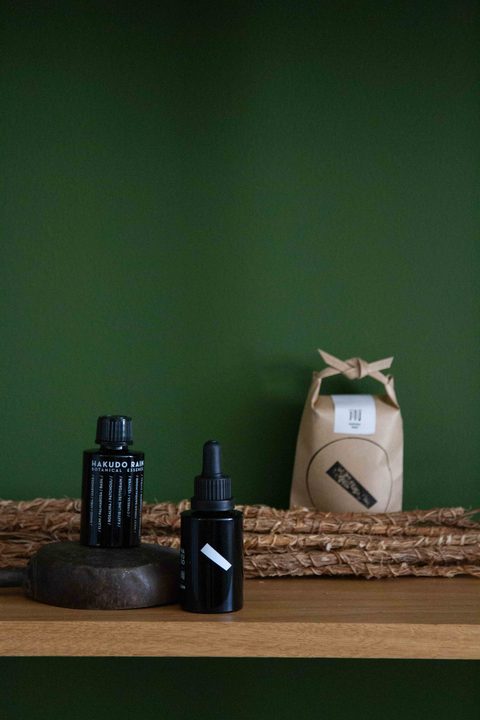
Shizuko Yoshikuni and Manuel Kuschnig design scents for things and for rooms. Three pieces of Hakudo, their own line, are coming to our shelf: a ceramic burner, incense, and an essence. Not in the shop yet.
Meet the studio →Hand-poured ceramic from Gifu, Japan, warmed by a tea light.
Short pieces of incense, made on Awaji Island and warmed on a burner, not lit.
Twelve plant essences, 30 ml, with a pipette.
A reading copy of each lives on the bar. Turn the pages with your tea, then take one home.
Books built like objects, sold at the publisher’s prices.
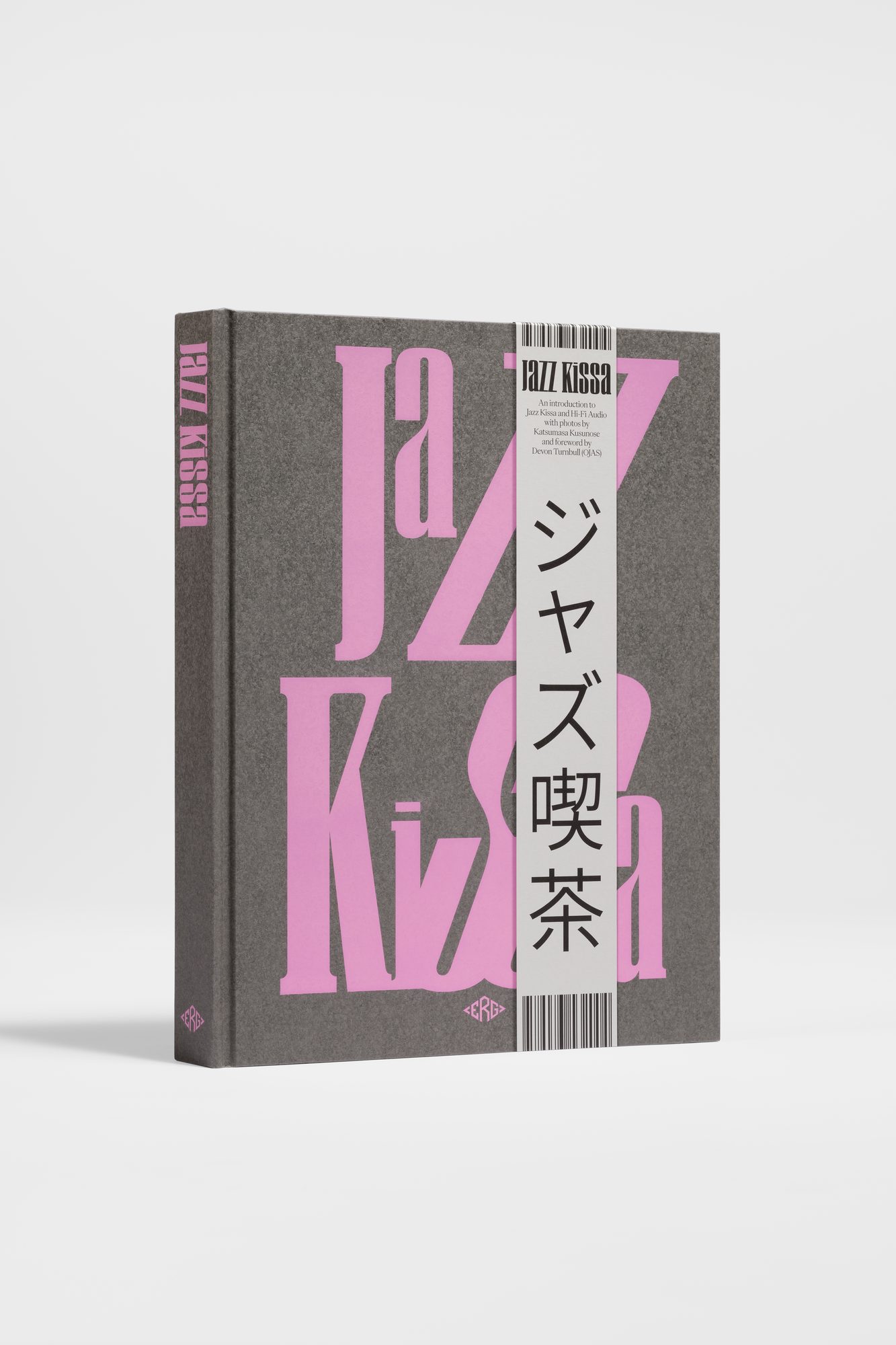
Meet the publisher →Fifteen years of Katsumasa Kusunose’s photographs of Japan’s jazz cafés.
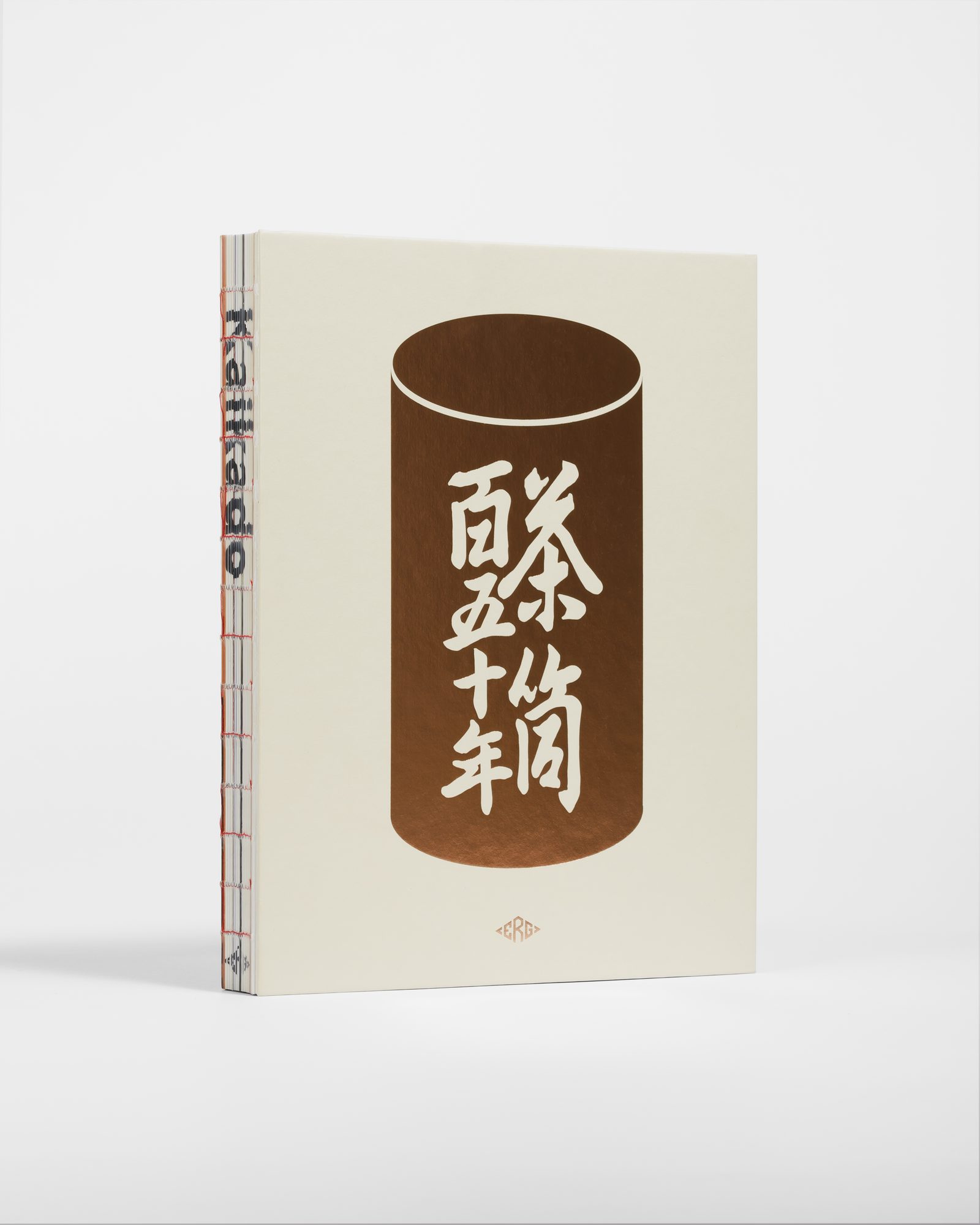
The caddy maker’s 150 years. It comes in a copper, brass or tin cover; which one is chance.
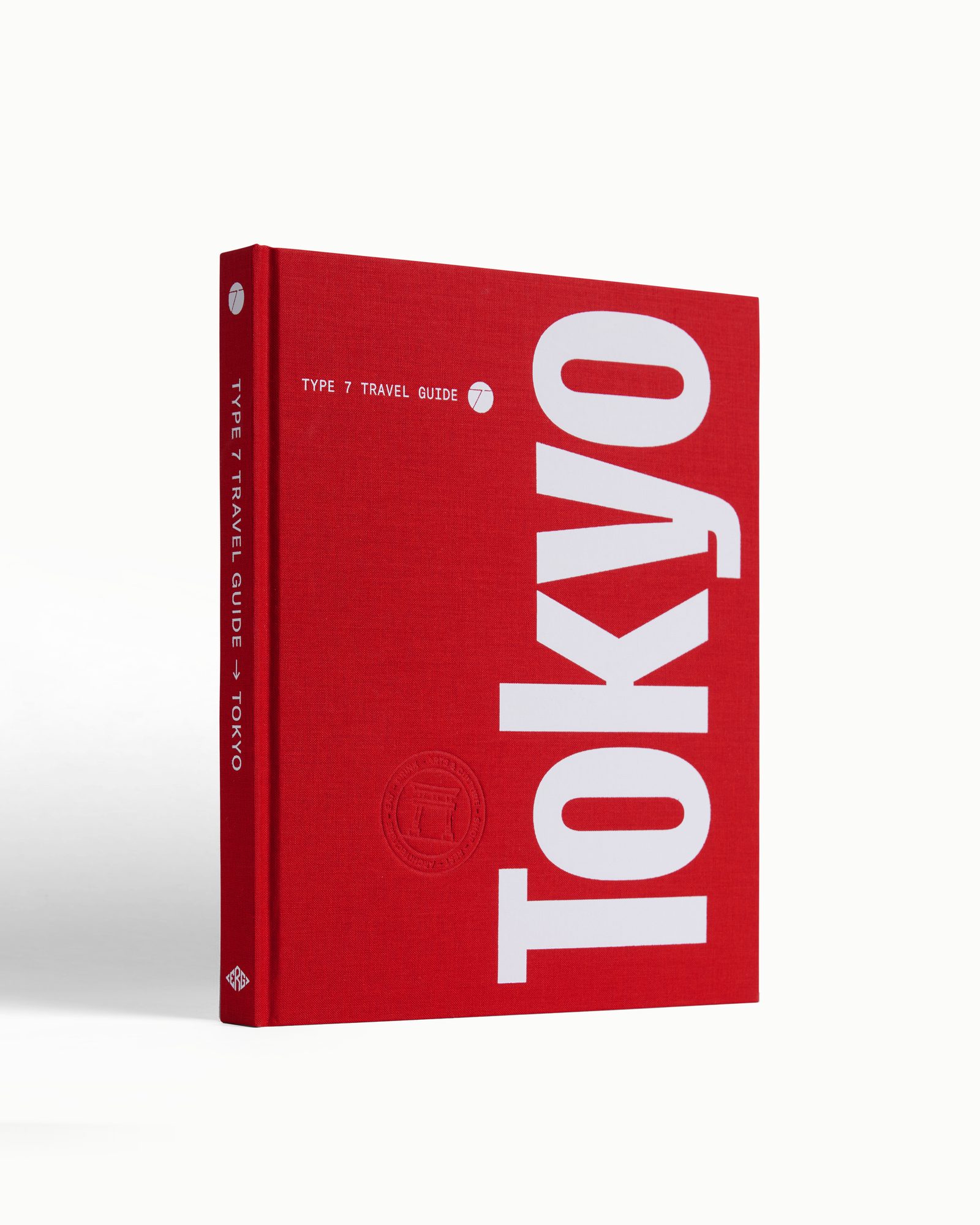
Tokyo in one hardcover: where to eat, drink, rest and shop.
Photographs: ERG Media.
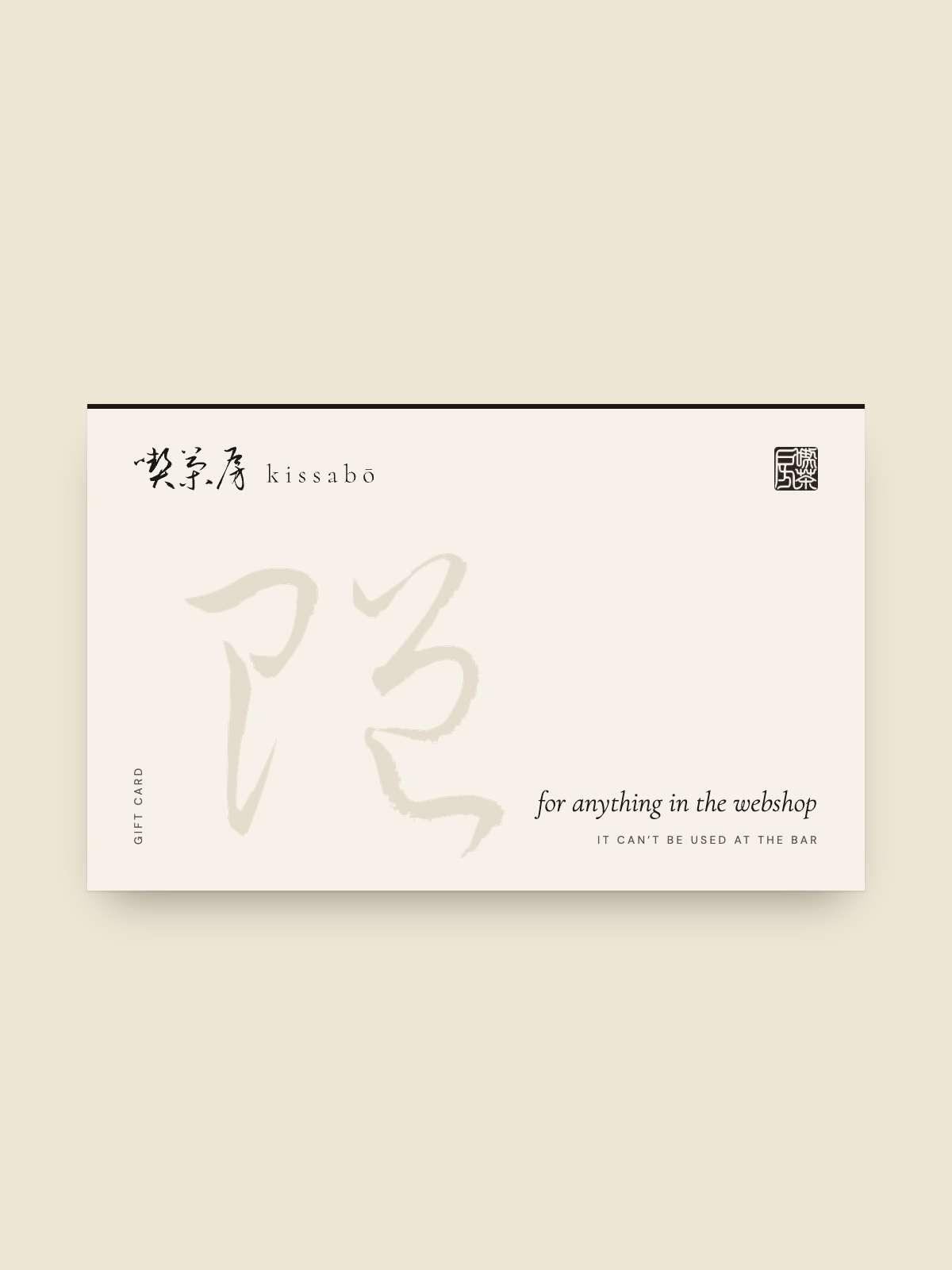
A gift card by email, for anything in the webshop; it can’t be used at the bar.
For the webshop only; it can’t be used at the bar. We email it to you to print or forward. Valid until 31 December of the fifth year after the year you buy it.
Our own things, from the bar in Berlin: the season cards, and soon a tote bag.
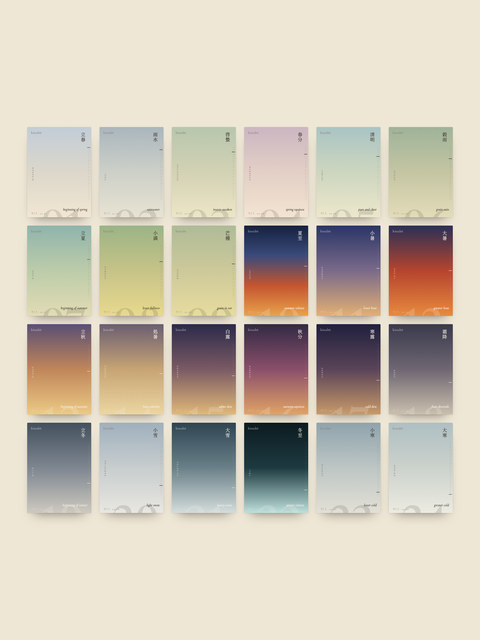
Twenty-four postcards, one for each season of the old Japanese calendar: its sky in colour, its kanji and its name. On the full page, choose any one of them.
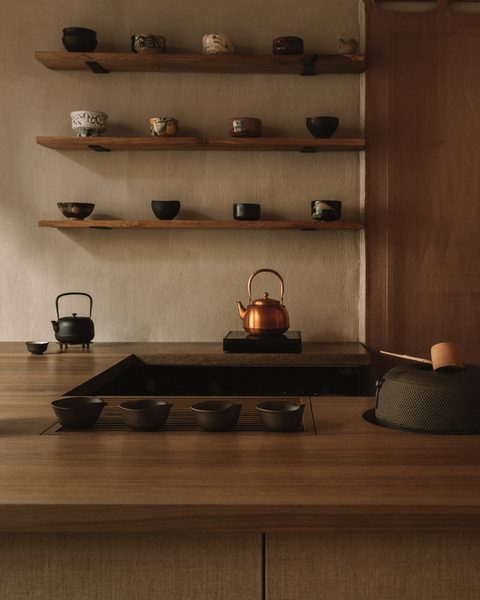
Most of it stands on the shelves at the bar, where you can hold it first. Nothing here has been used to serve tea.
Germany €4.90, free from €69 · EU €14.90, free from €99. Card, Apple Pay, Google Pay, PayPal or Klarna, on Stripe.
Tick Yurika Saito’s furoshiki in the basket: a hand-dyed cloth, theirs to keep, a tea mat or a bandana afterwards. Or give a gift card for the webshop, by email.
What we're pouring, the tea we'd pick, and when a new piece reaches the shelf. Signed by Gosia and Marcin.
Leave whenever you like.