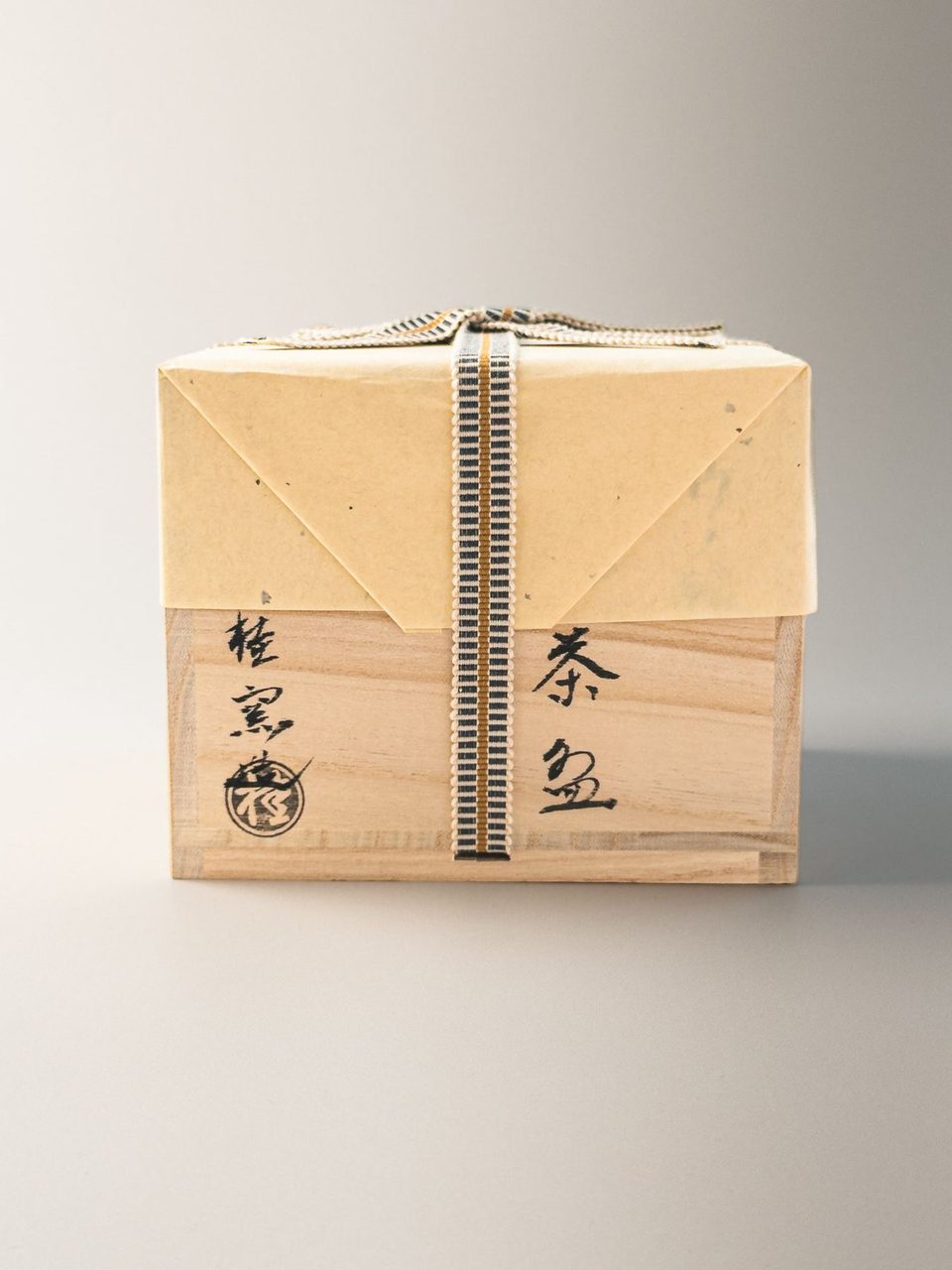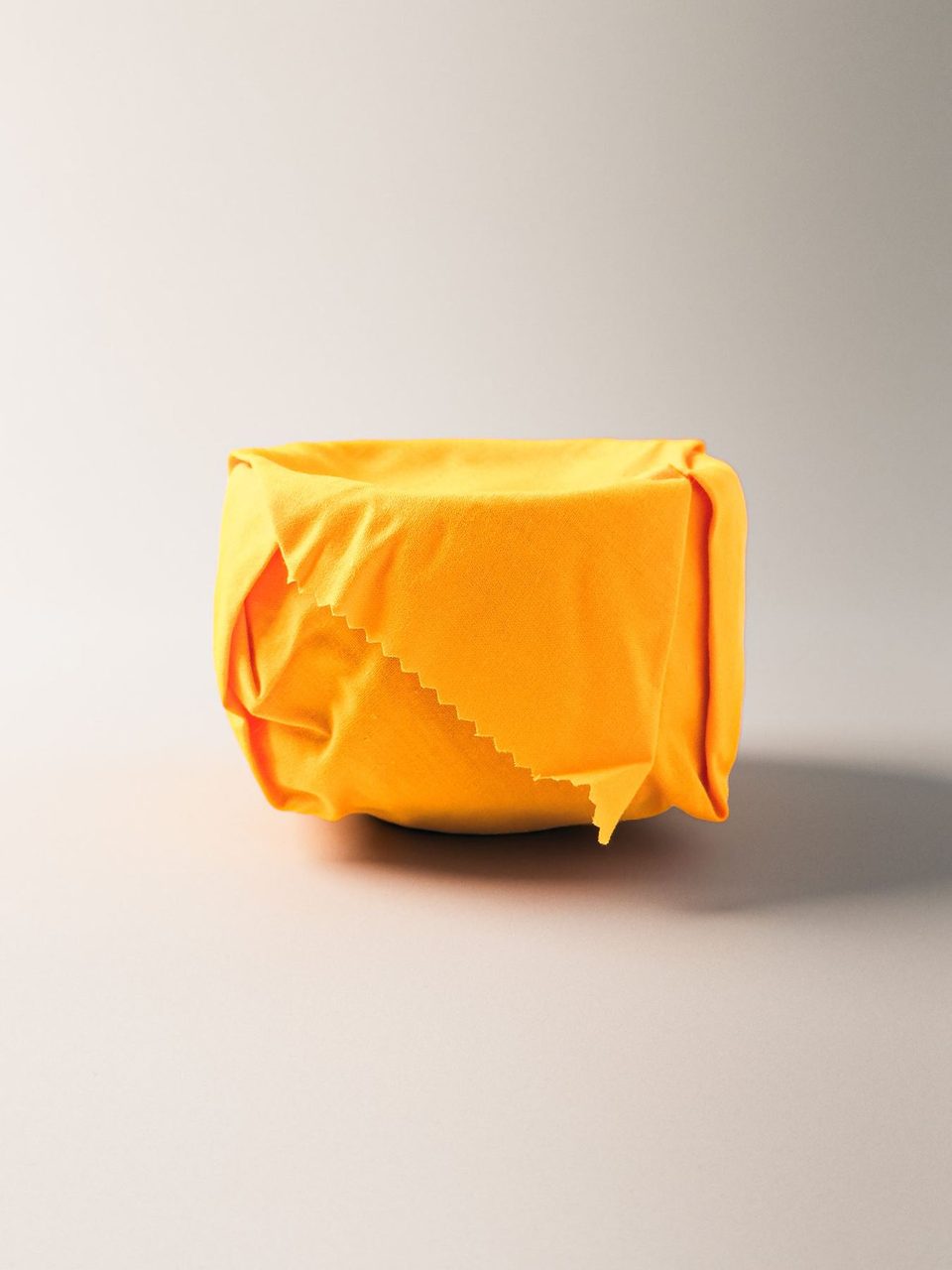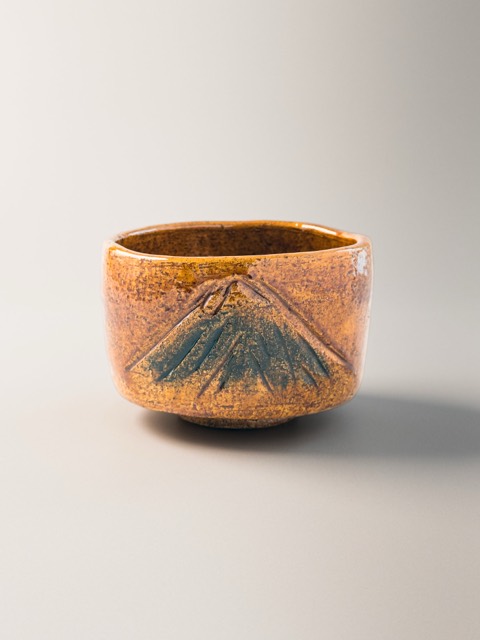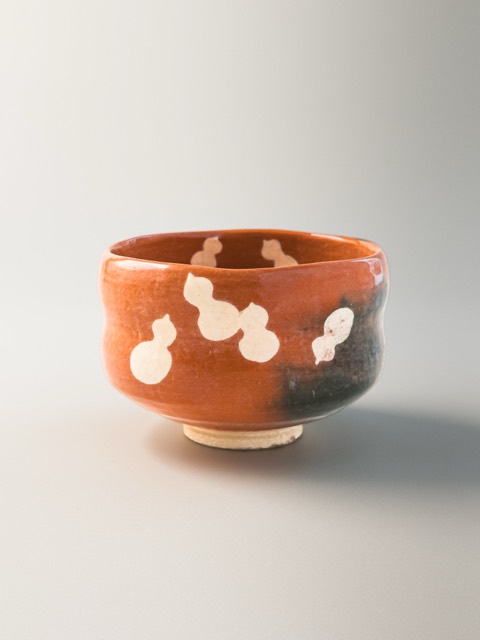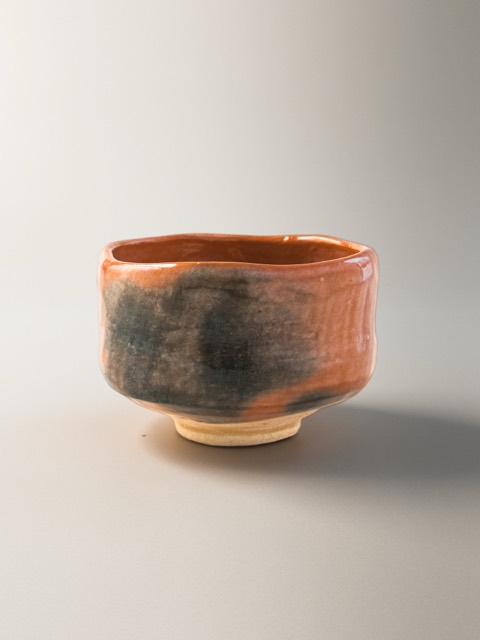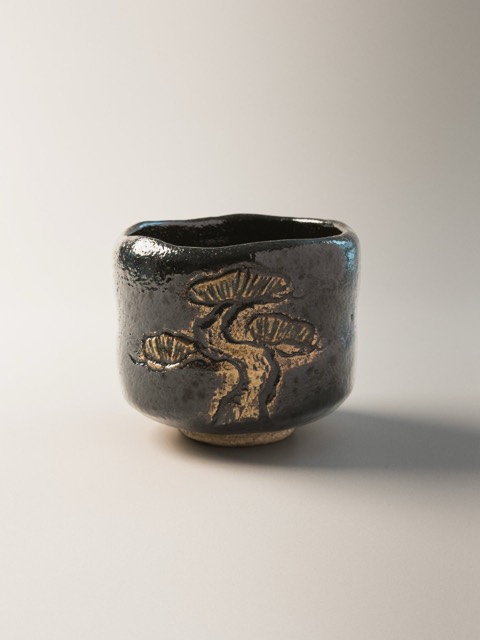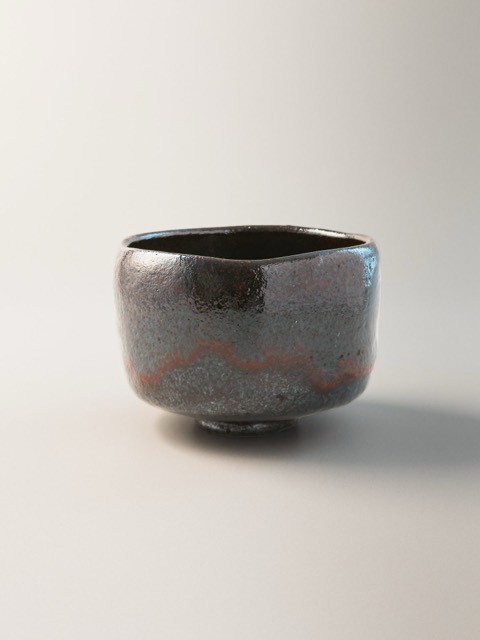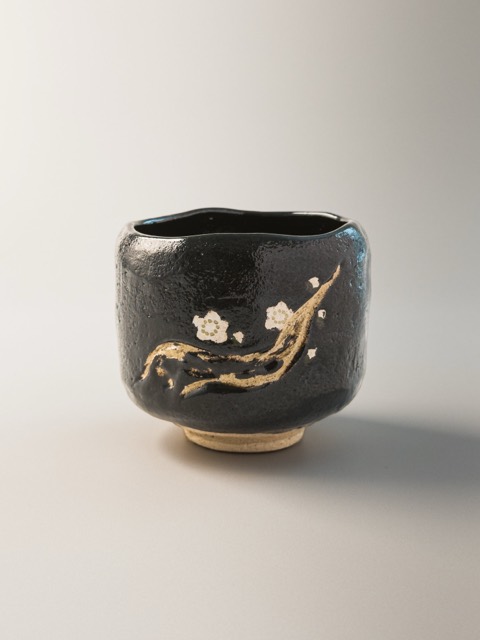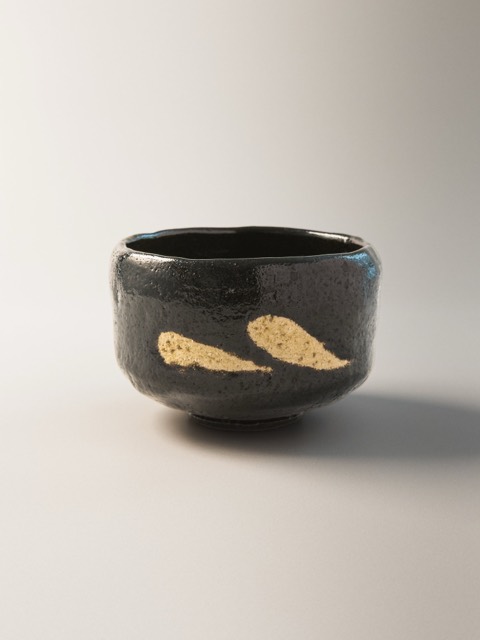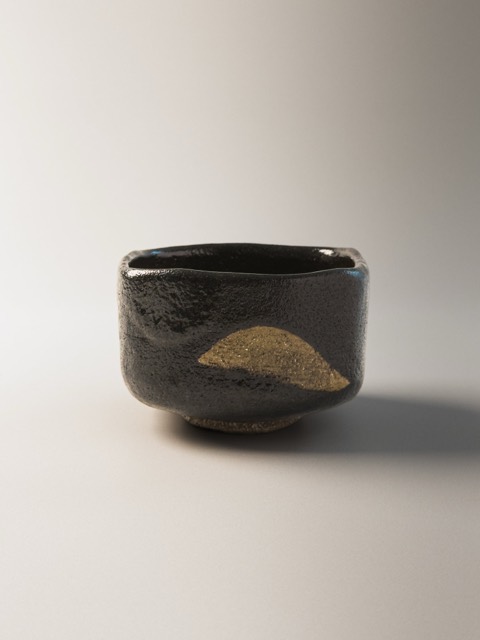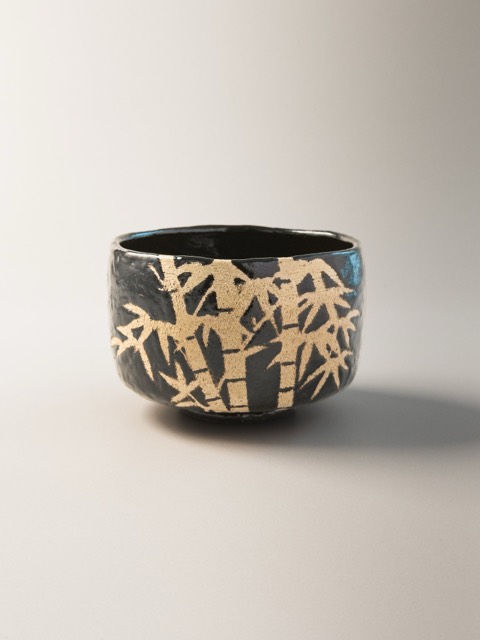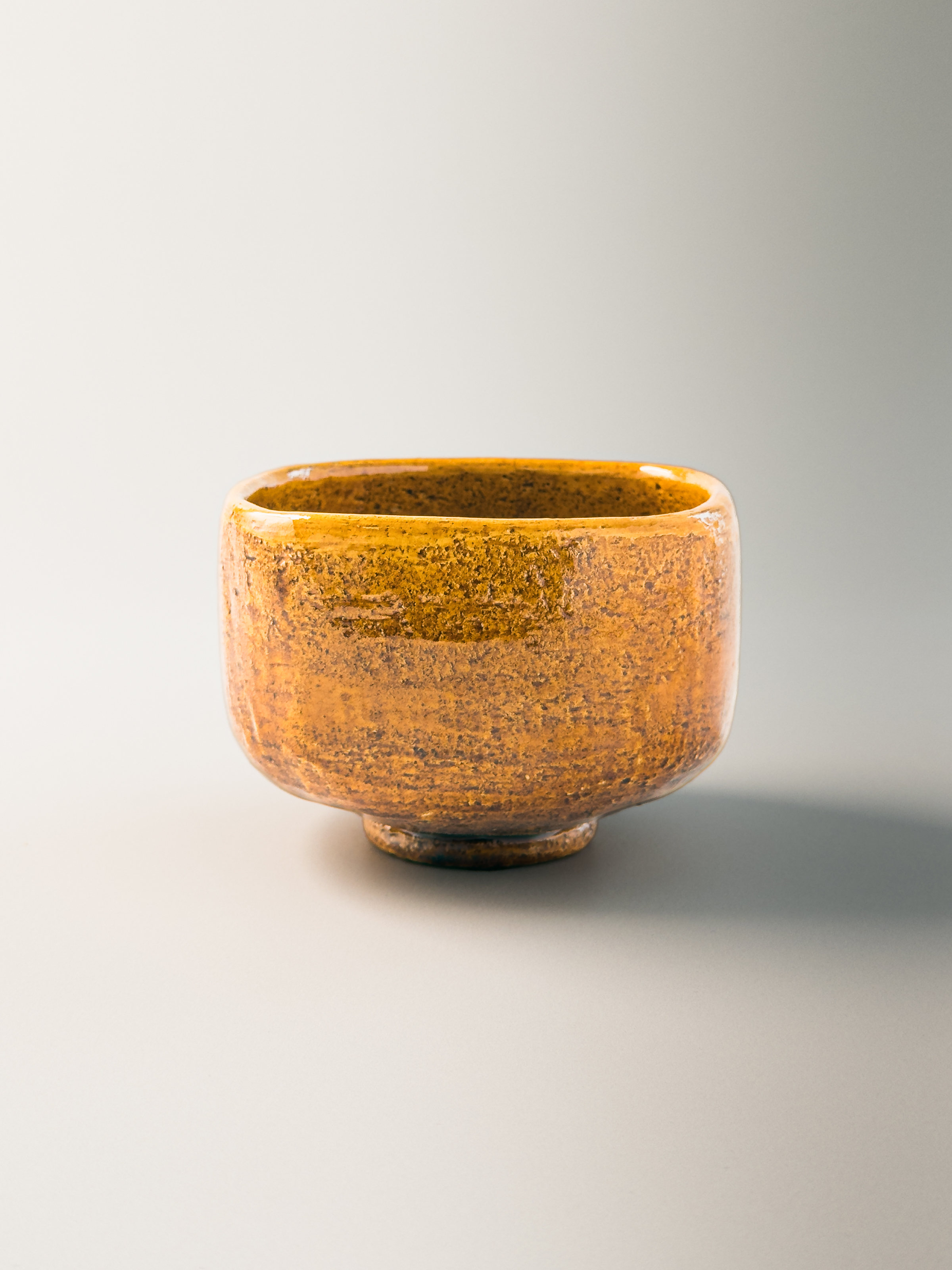
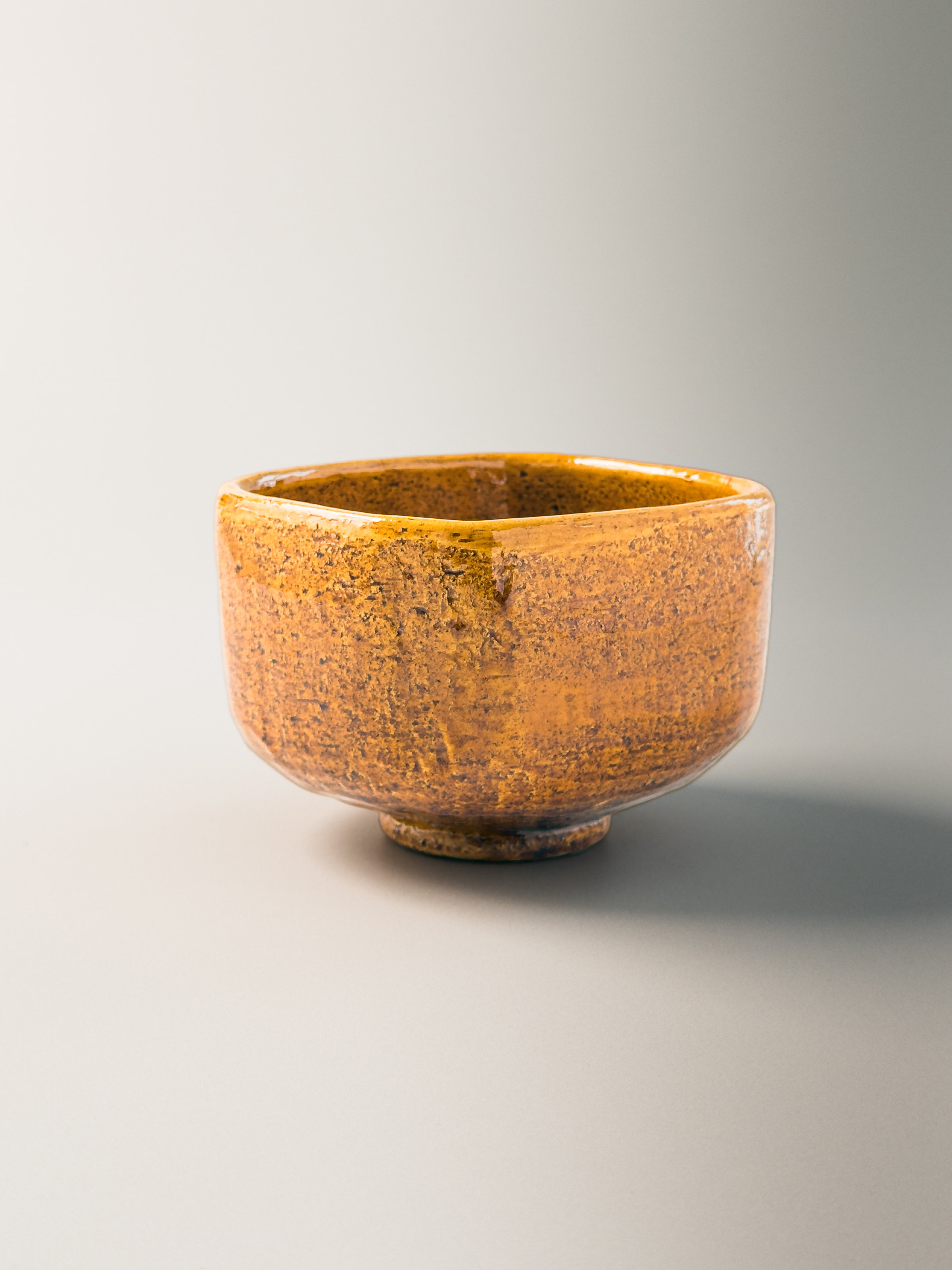
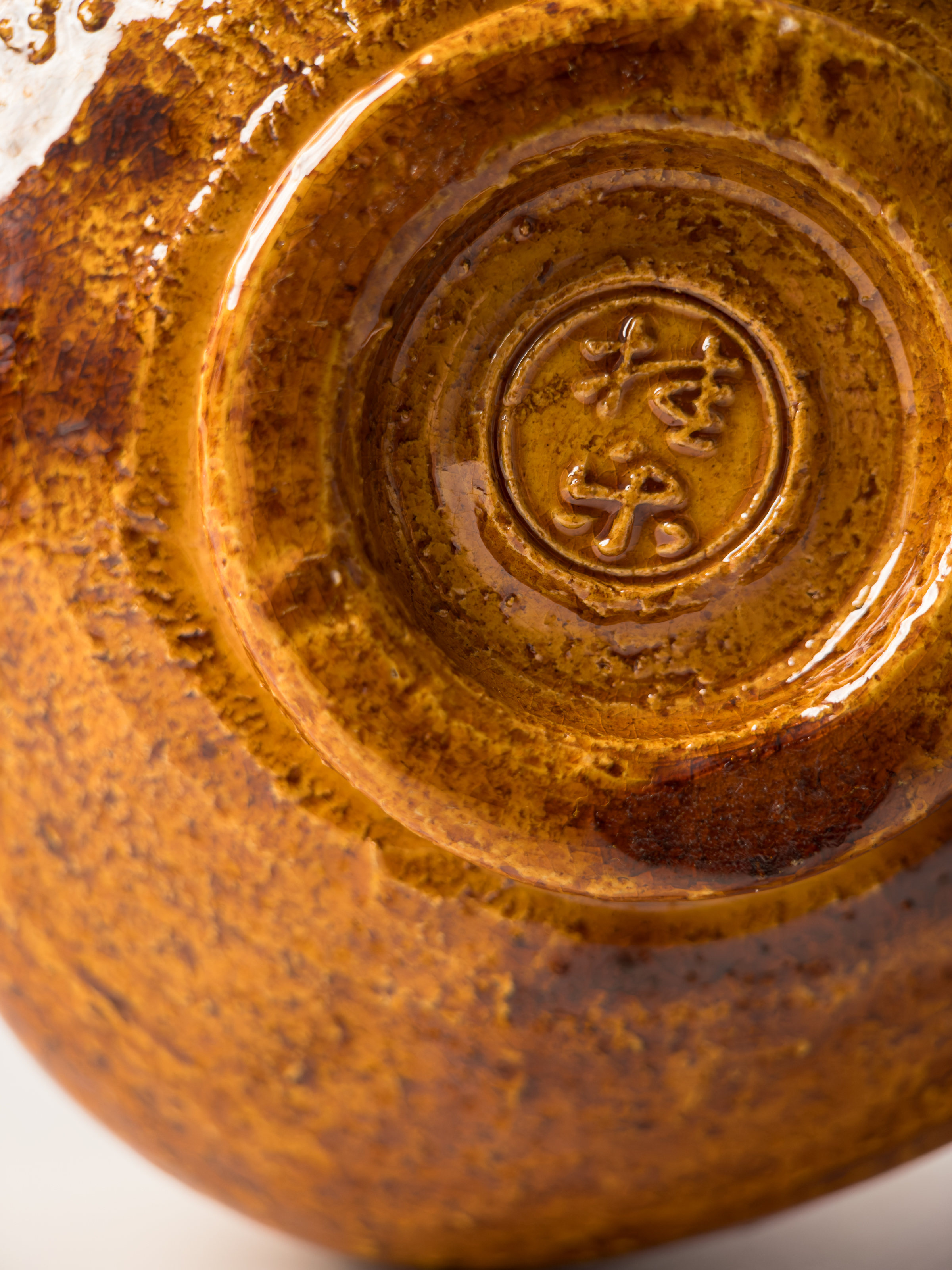
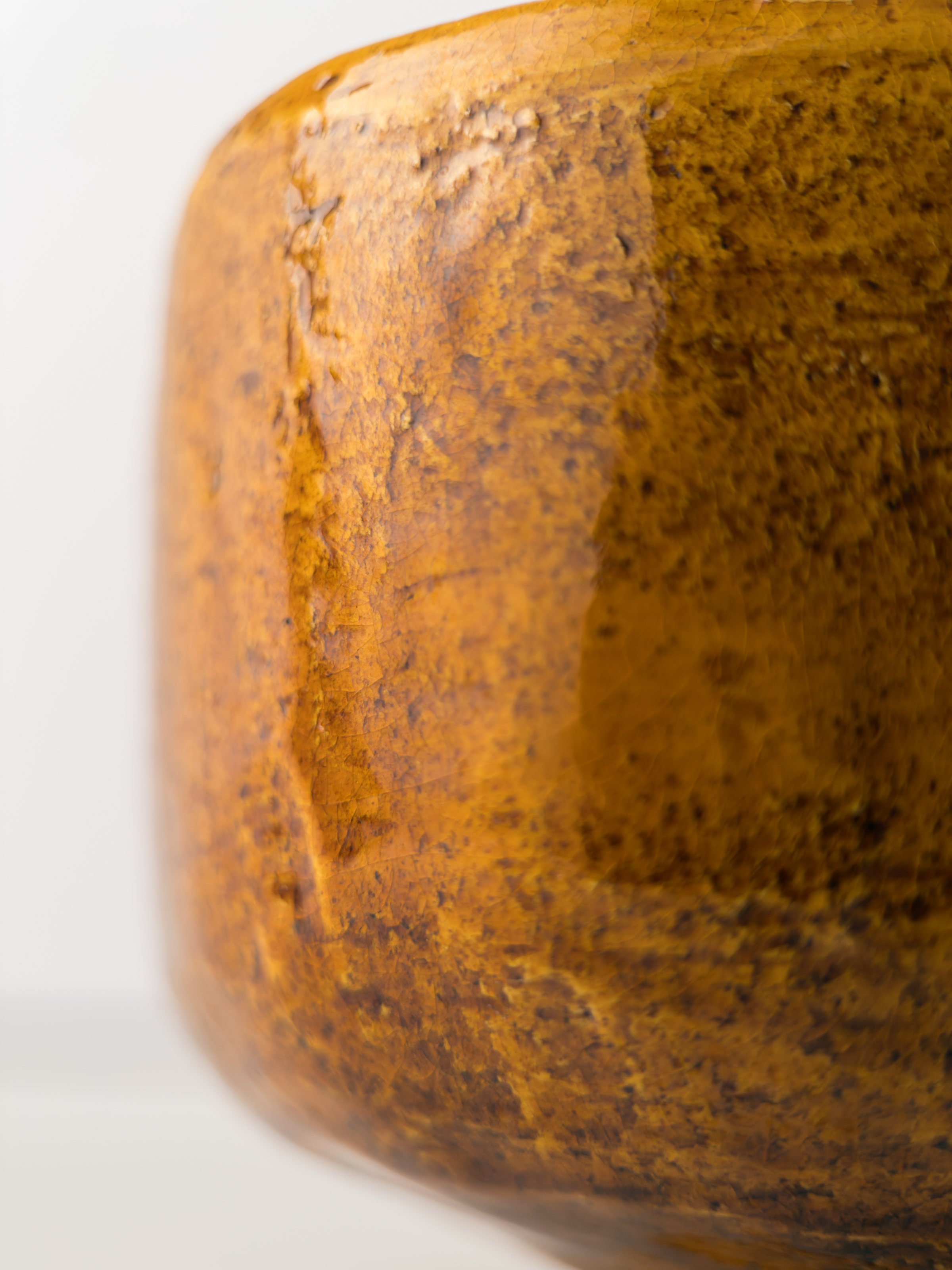
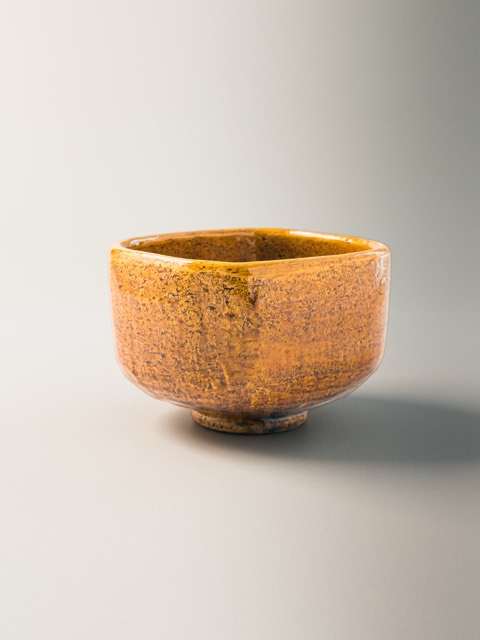
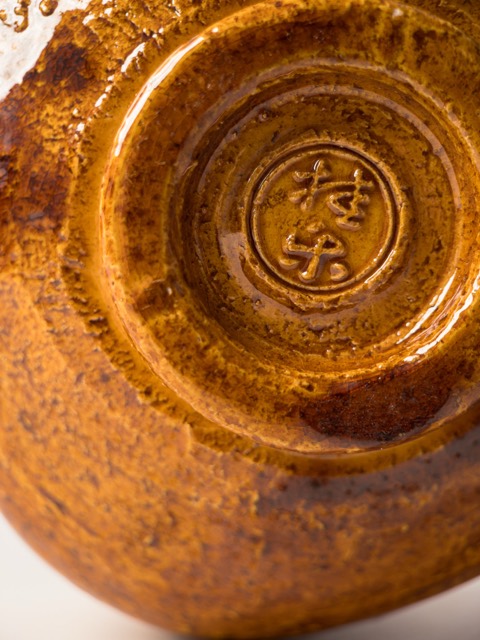


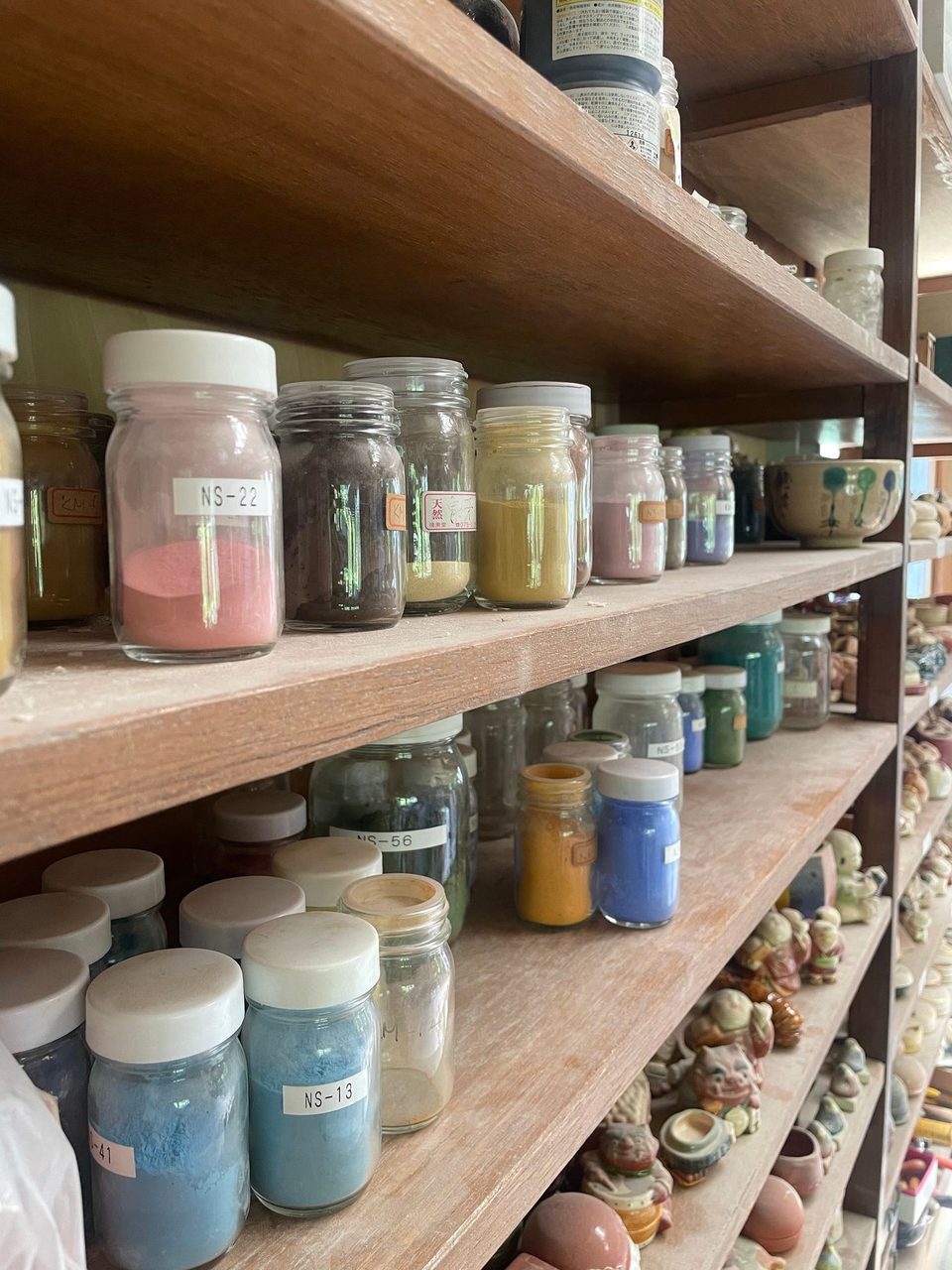
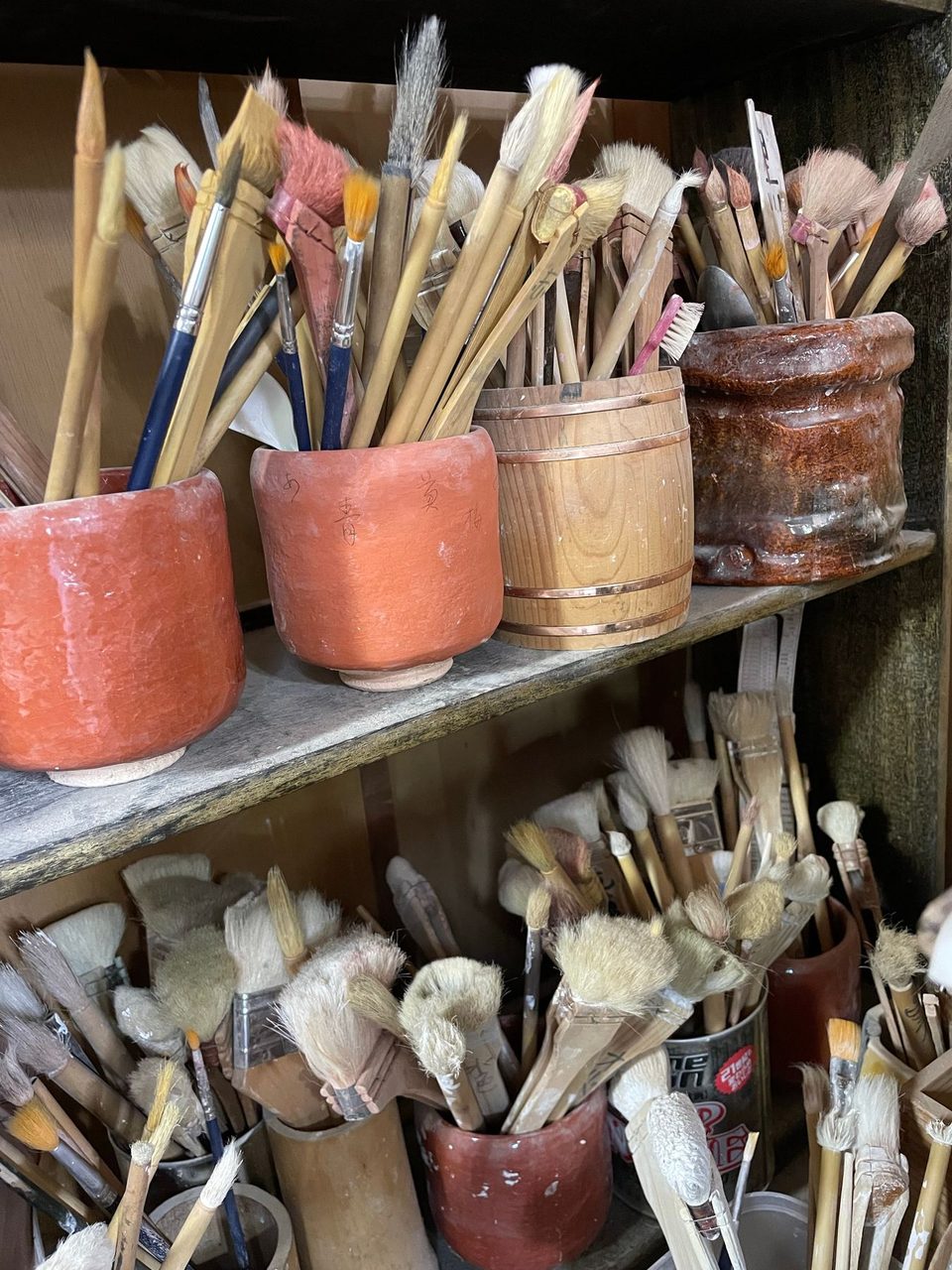
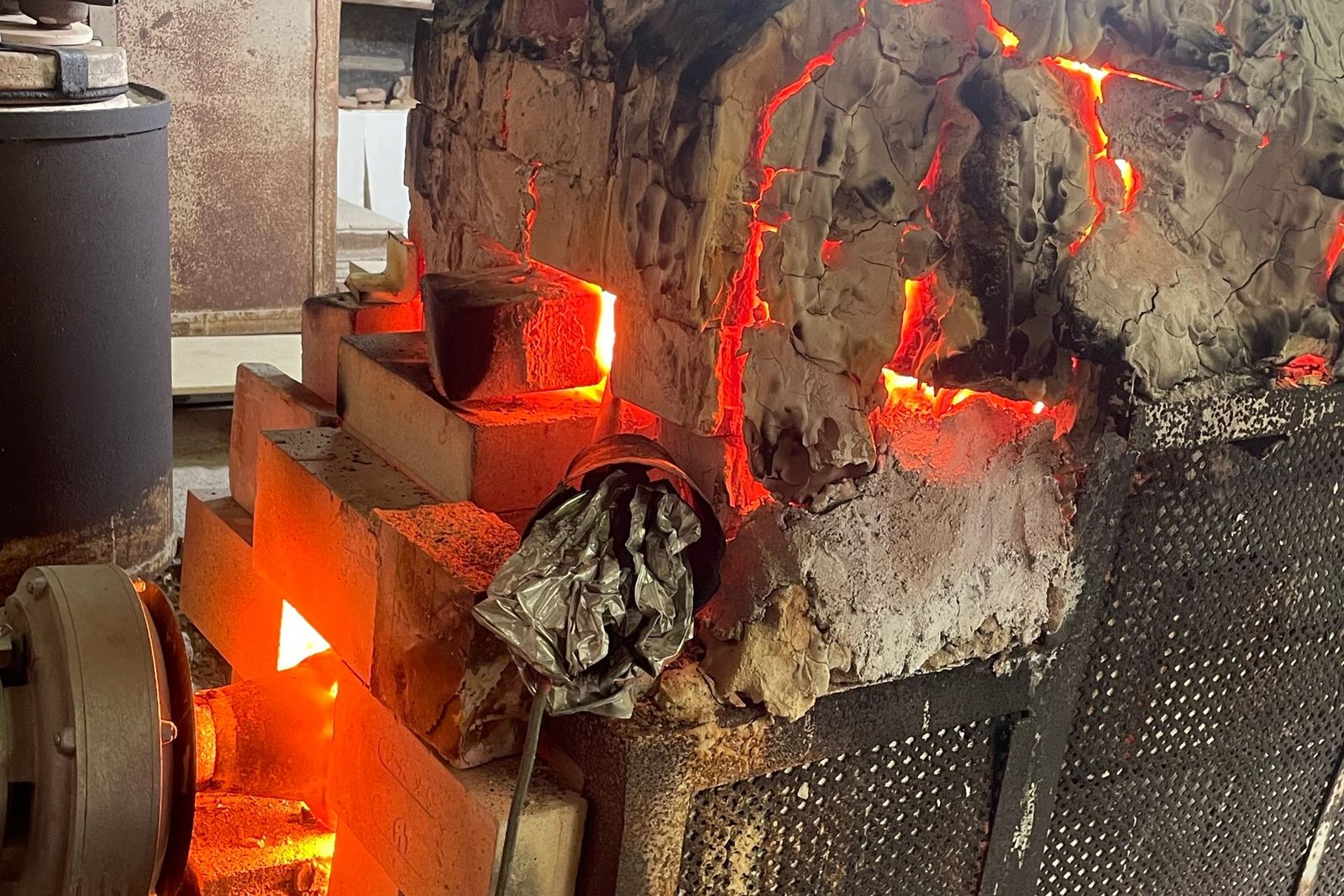
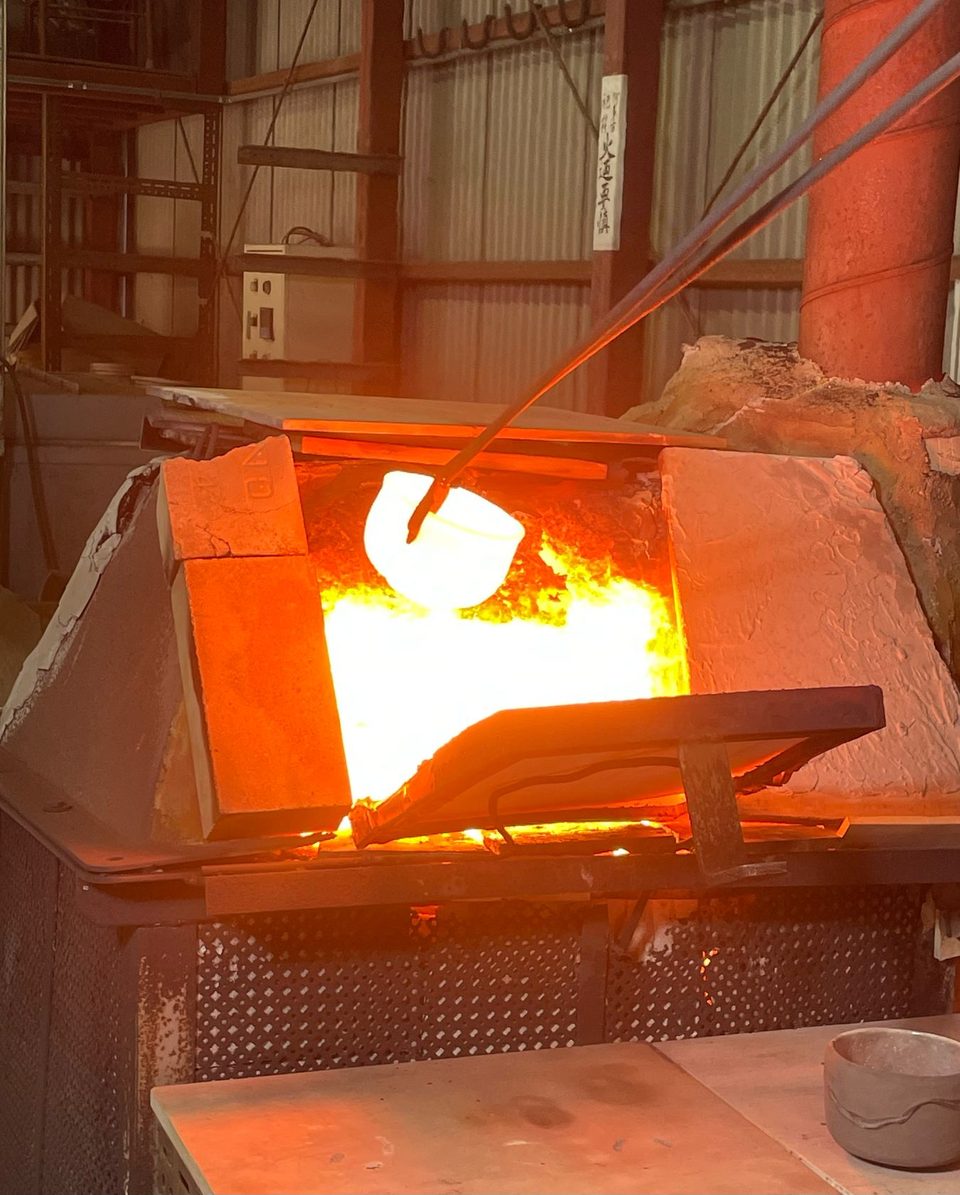
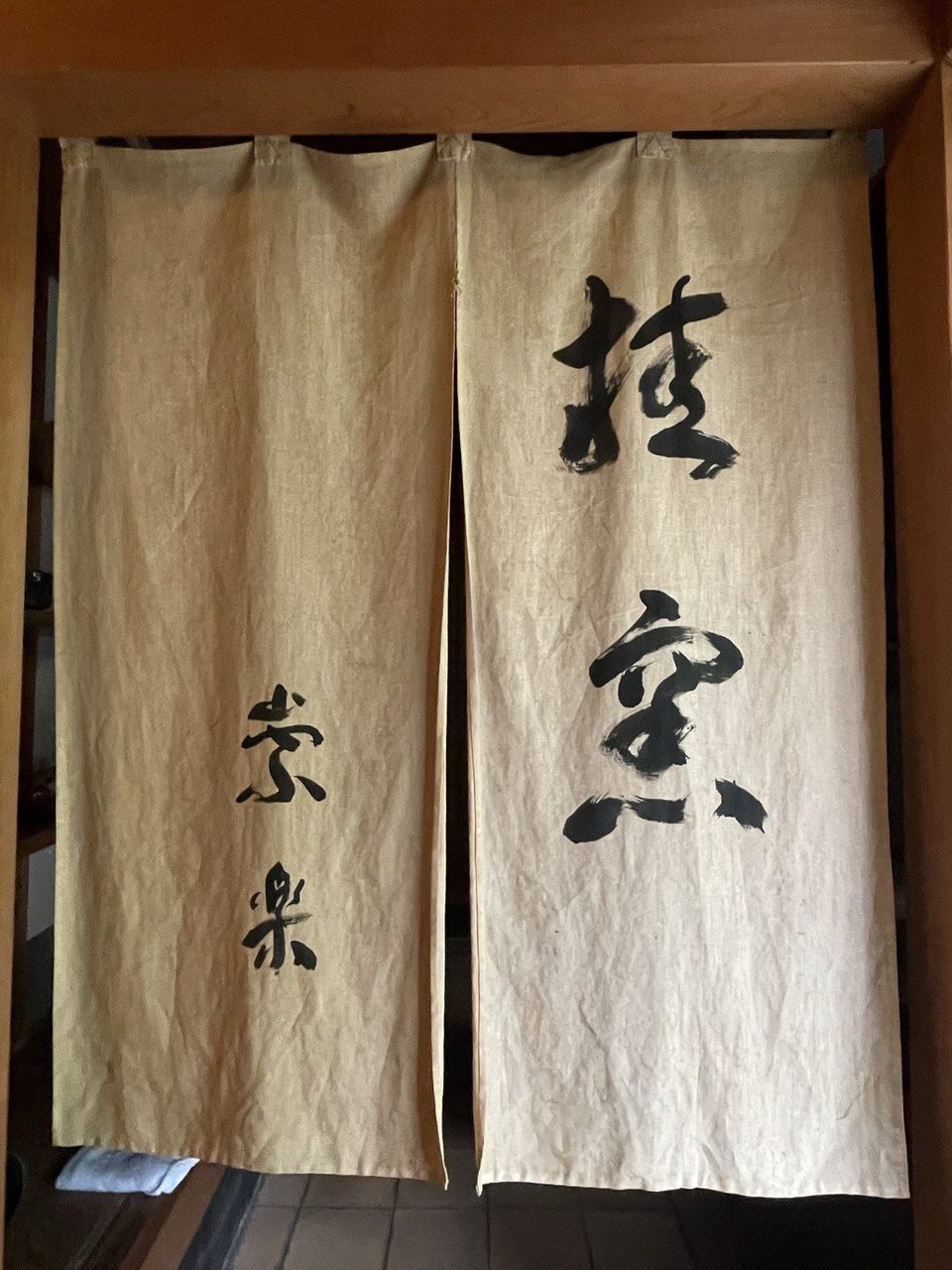
A kiln that began with braziers.
Read the story
The kiln · 窯
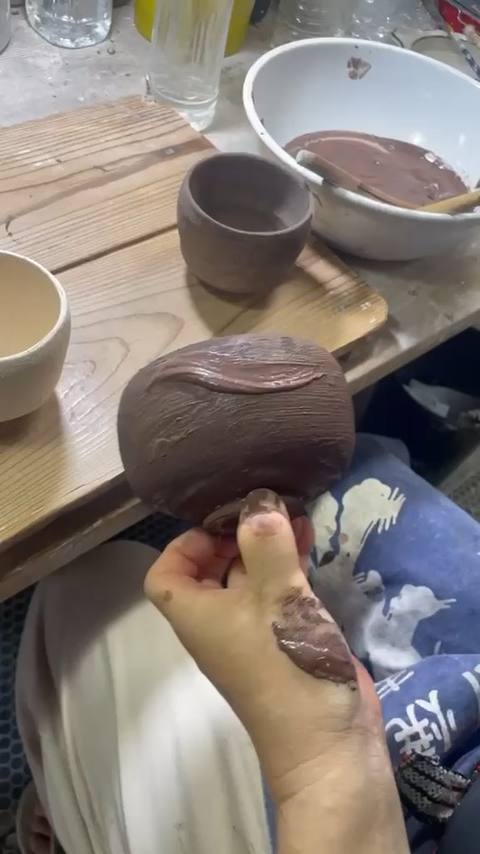
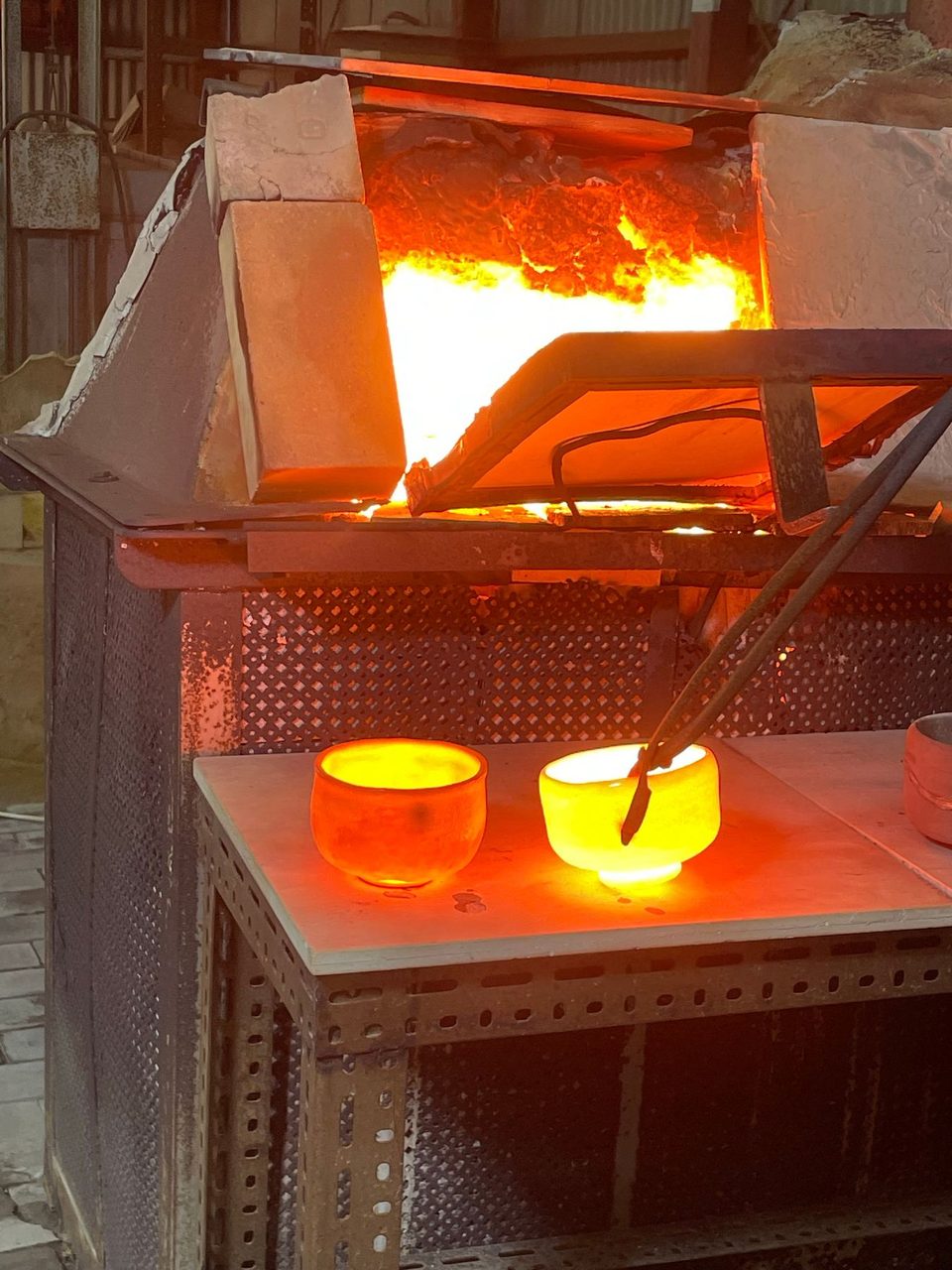
Katsura-gama’s founder came to Kyōto from Awaji Island and made decorative roof tiles for shrines. He was the first Sōhaku Yorigami, a man of wide interests: tea, flower arrangement, calligraphy and poetry. With the technique he had developed for the tiles, he began to make dofuro, the clay braziers that hold the charcoal beneath the kettle in a tea room. That was the beginning of Katsura-gama.
The family · 家
The first Sōhaku Yorigami was followed by his eldest son, the second Sōhaku. The first Sōhaku’s eldest daughter, Sōraku Higaki II, and her husband, Sōraku Higaki I, are the parents of Seishi Higaki (檜垣青子), the third generation. Her son, Ryōta Higaki (檜垣良多), was chosen to carry on the family tradition, and later took the name Sōhaku Yorigami (寄神崇白).
The Higaki family runs Katsura-gama today.
Tea · 茶
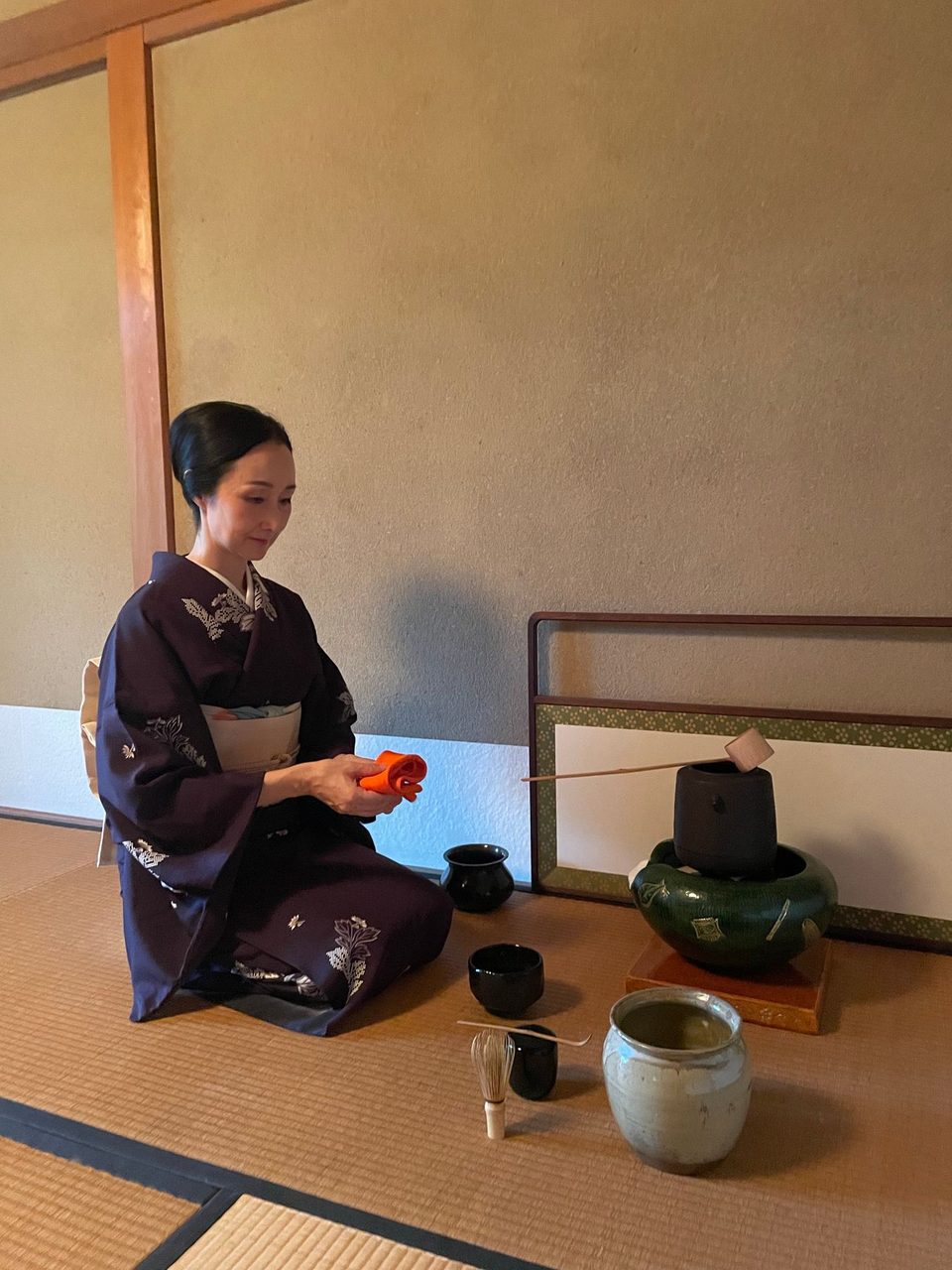
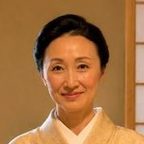
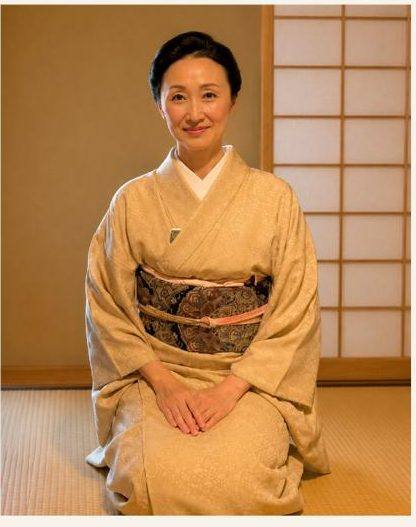
Rumi Higaki studied at the Urasenke Gakuen Professional College of Chadō, where she received her tea name. Her husband, Ryōta Higaki, carries the name Sōhaku Yorigami.
The room · 房
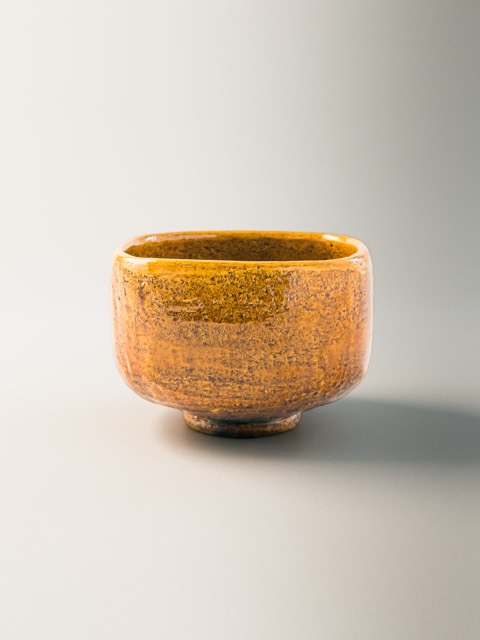
Kissabō is a tea bar with sixteen seats, in Prenzlauer Berg. Our own bowls are in daily use, Raku and Hagi among them, and a guest picks the bowl the tea comes in.
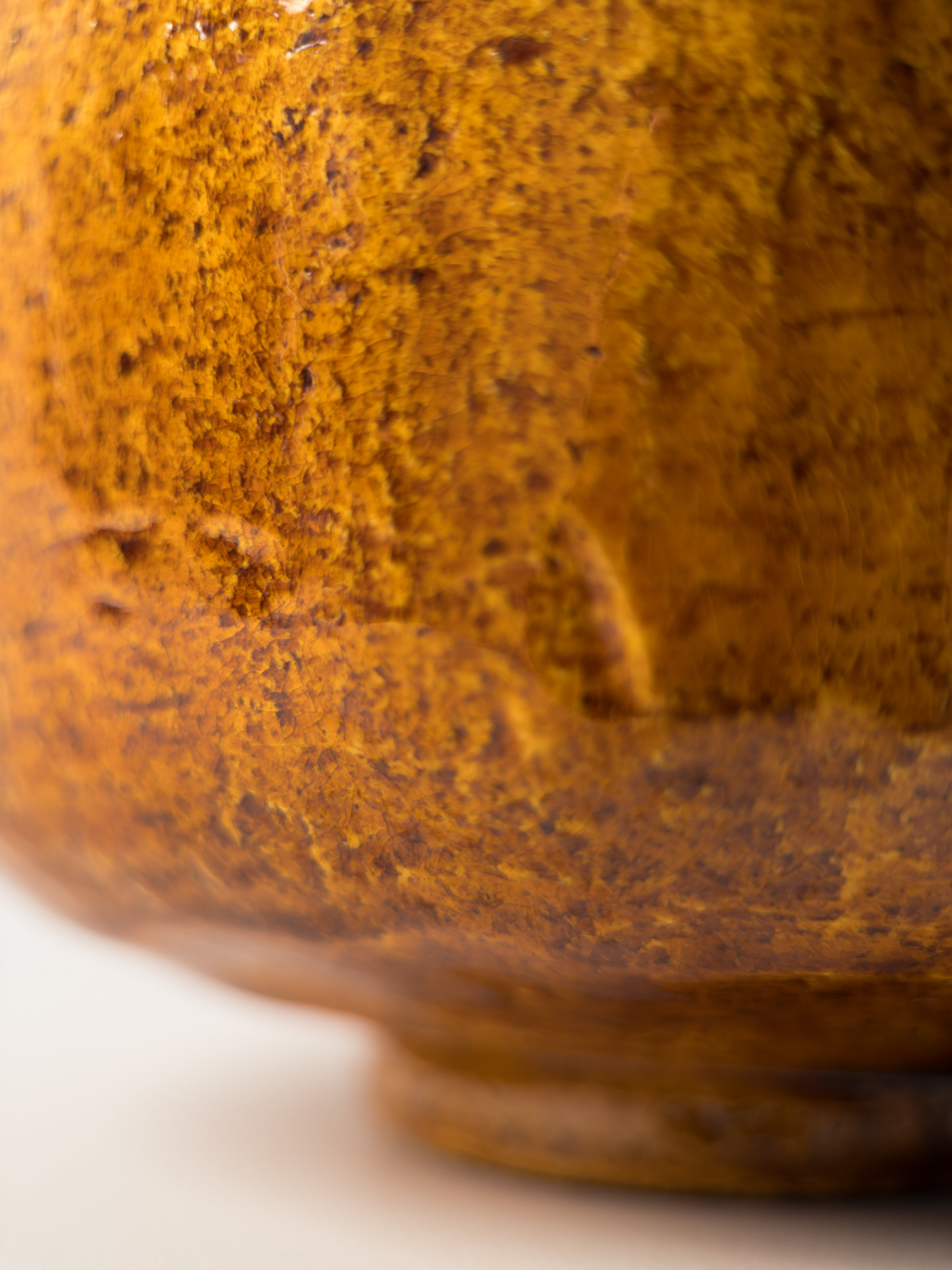
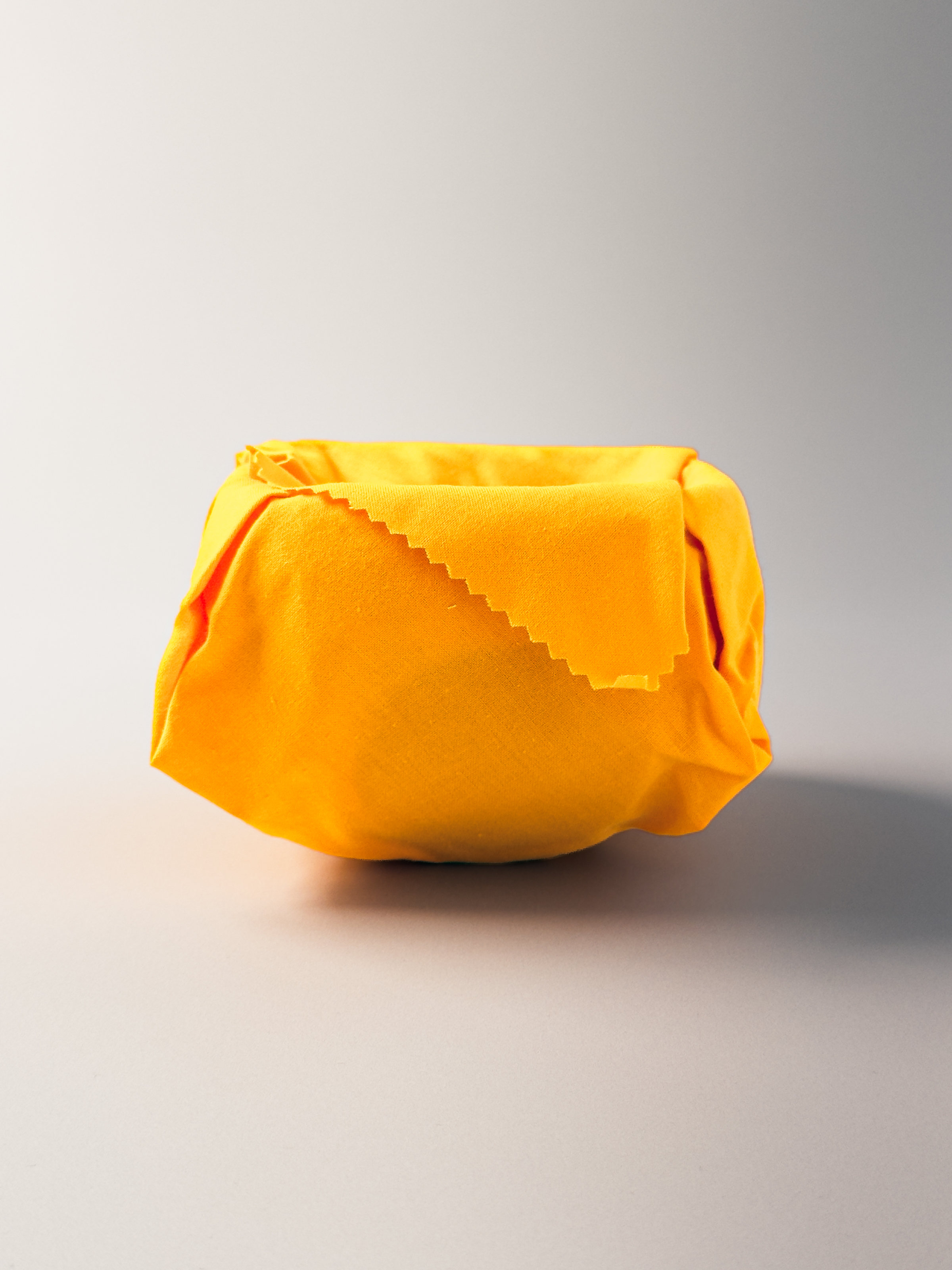
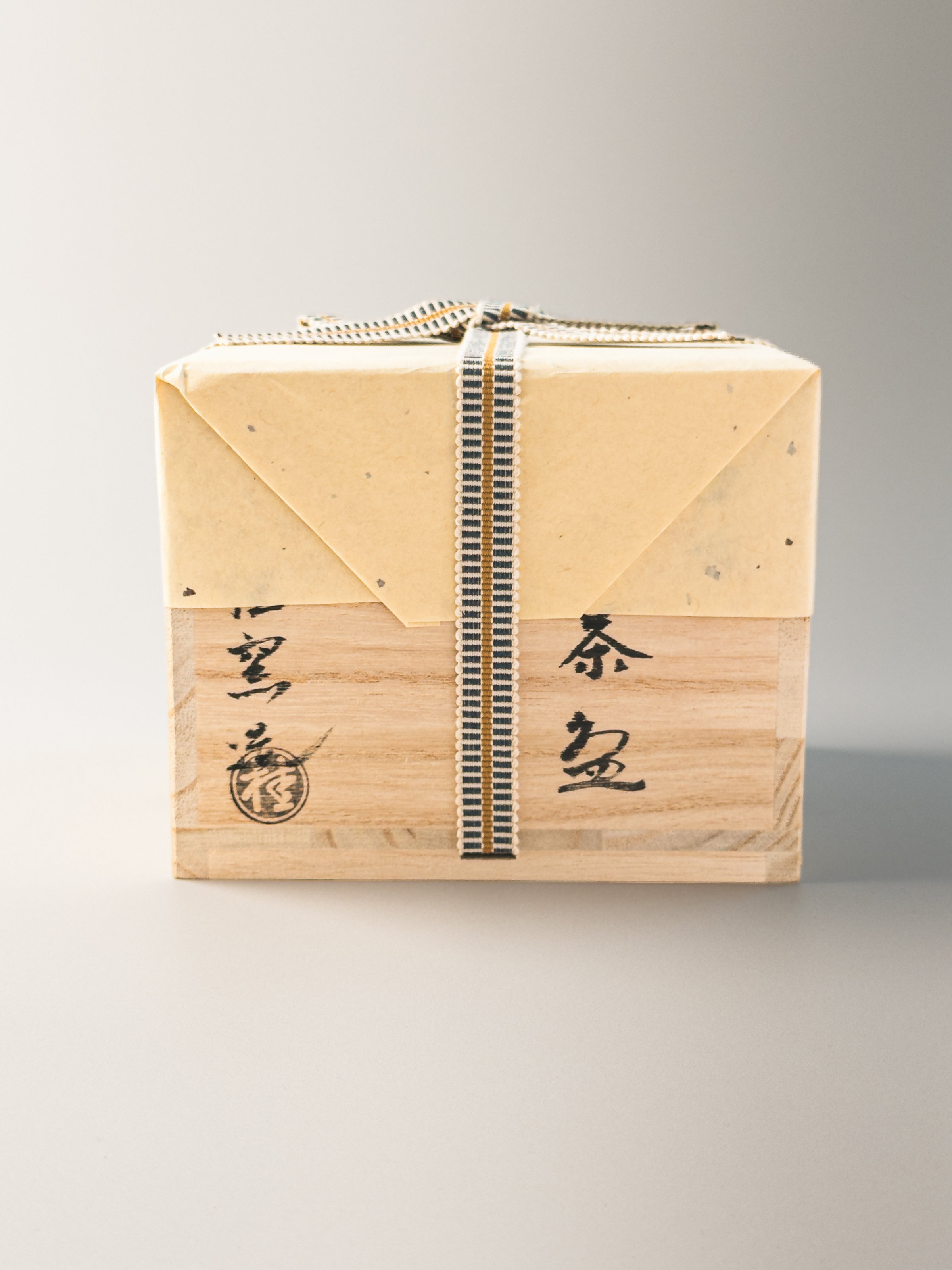
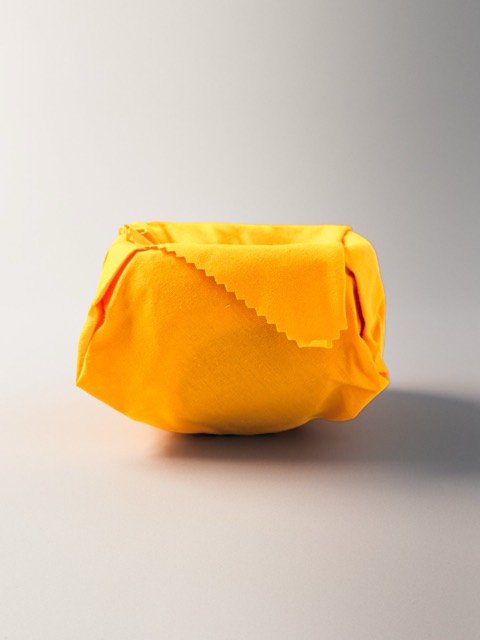
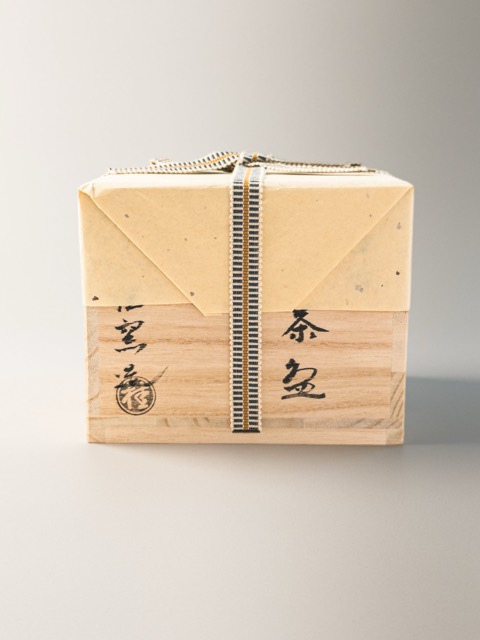
The history is Katsura-gama’s own account, given to us in October 2026. Photographs of the bowls, the box and the cloth: Kissabō. Photographs and films of the kiln and Rumi Higaki: Katsura-gama.