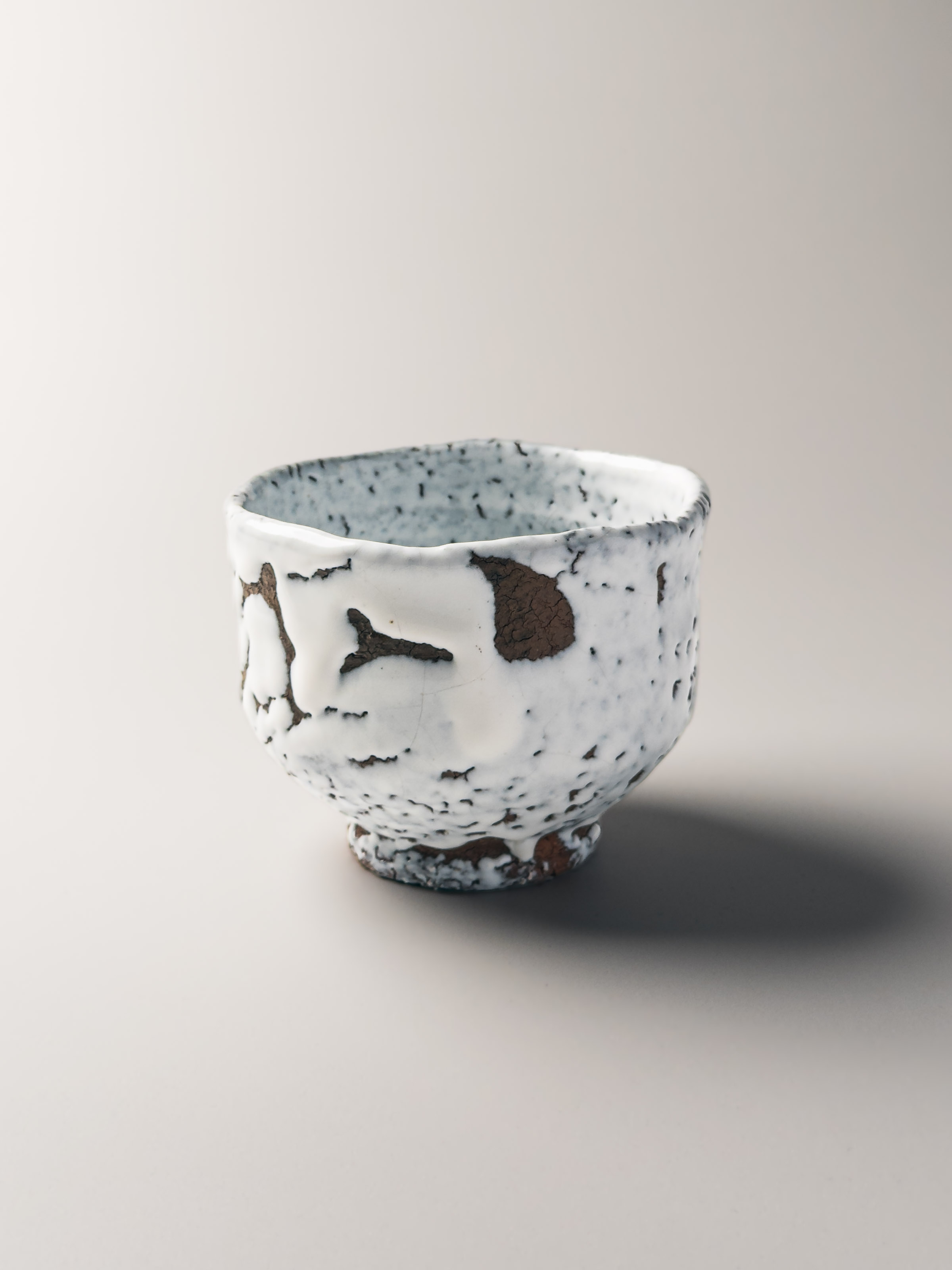
One of one — the piece photographed is the piece you receive
Card, Apple Pay, Google Pay, PayPal or Klarna, on Stripe.
For the record
About this bowl
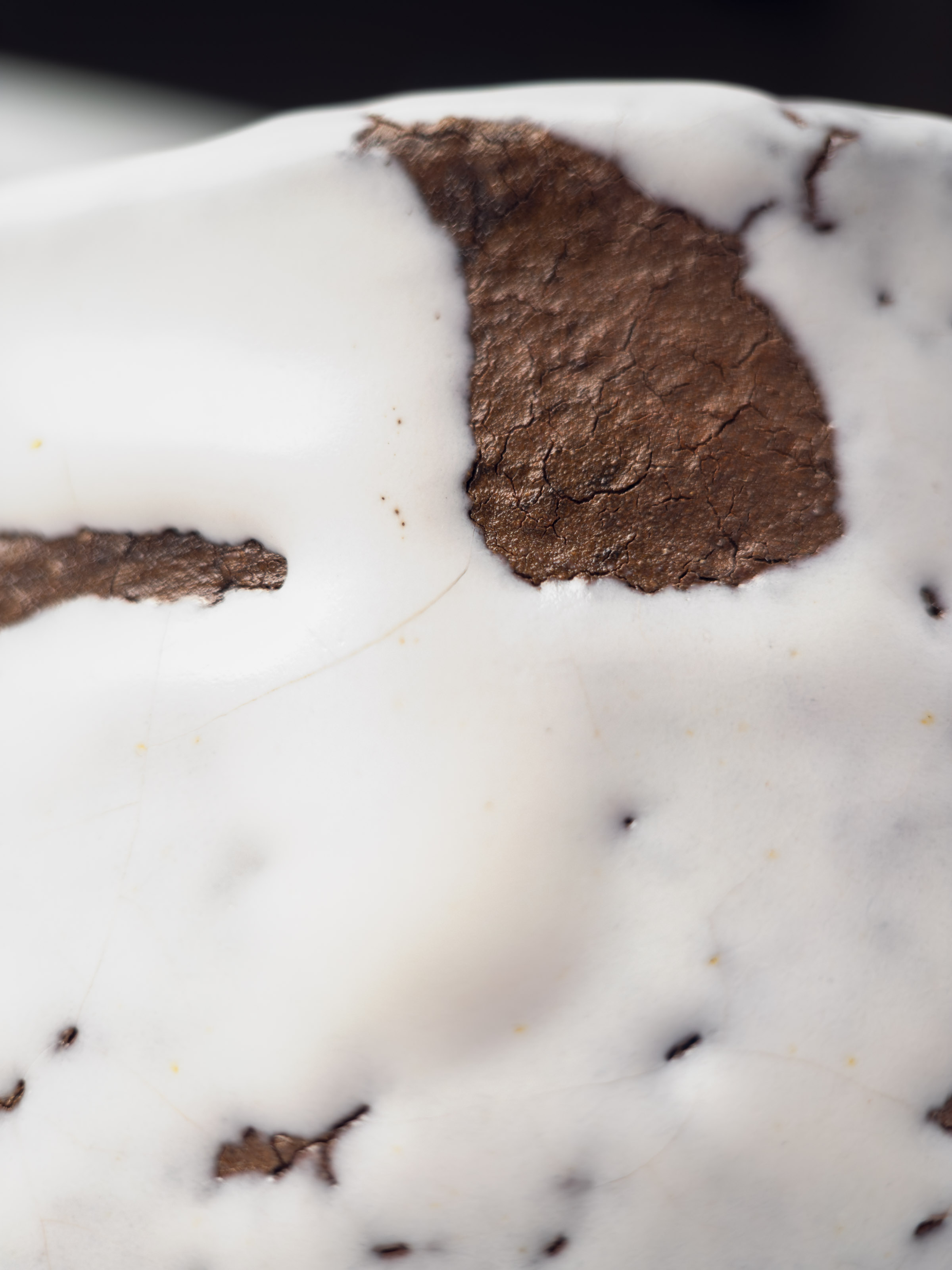
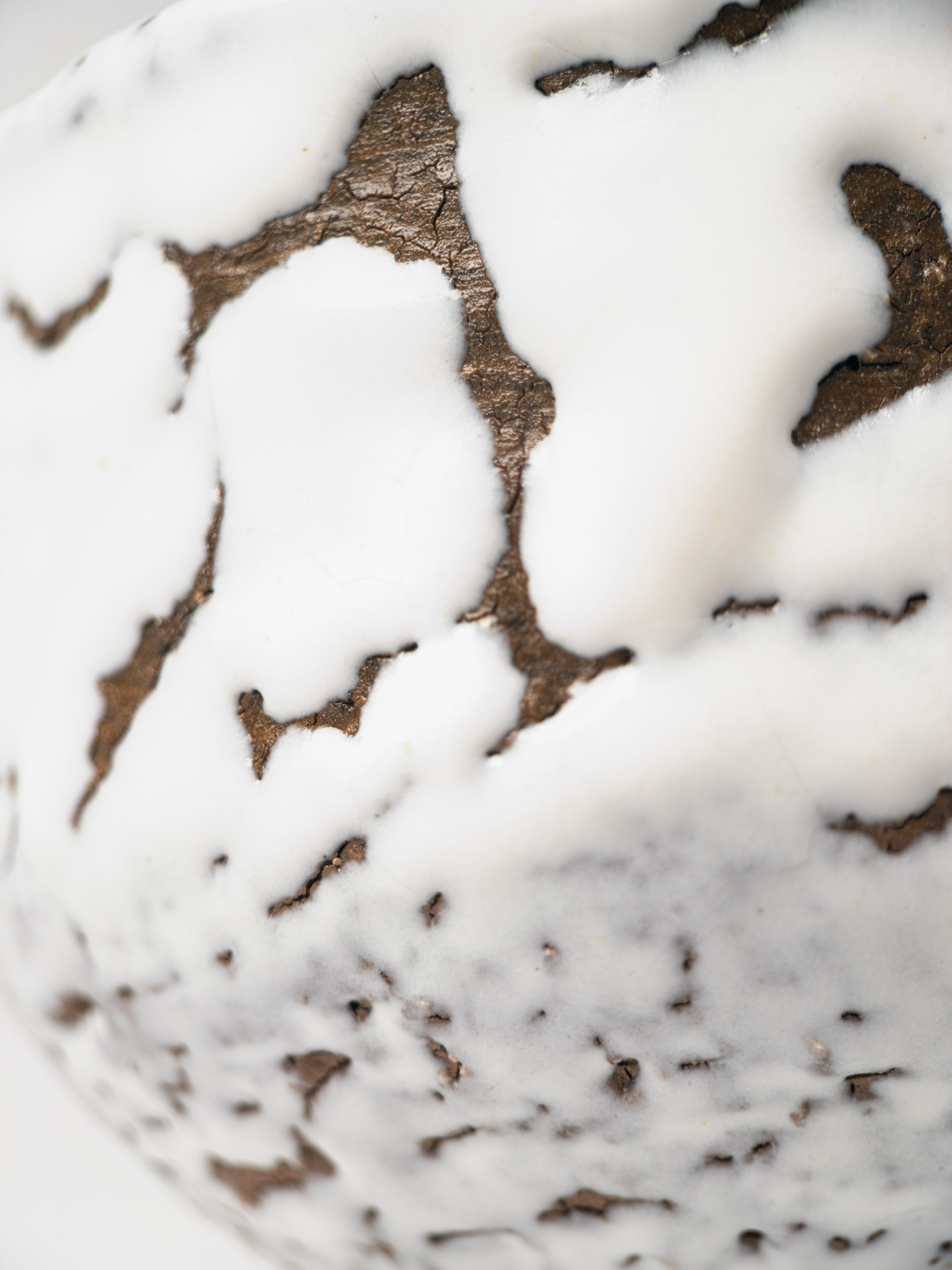
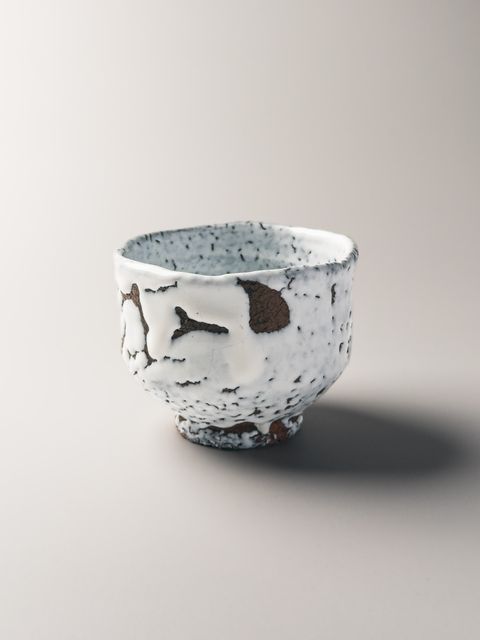
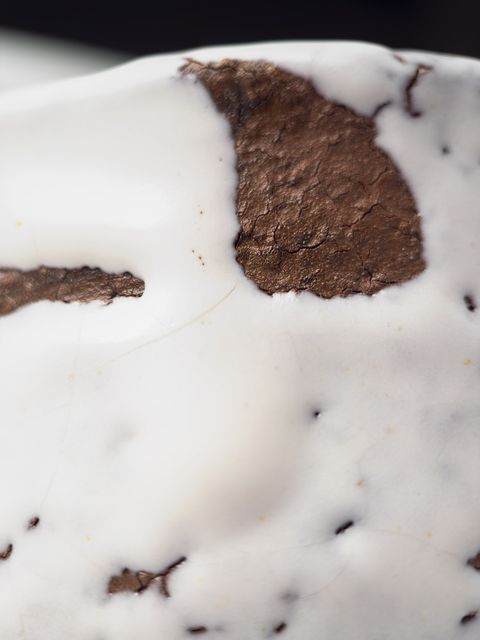
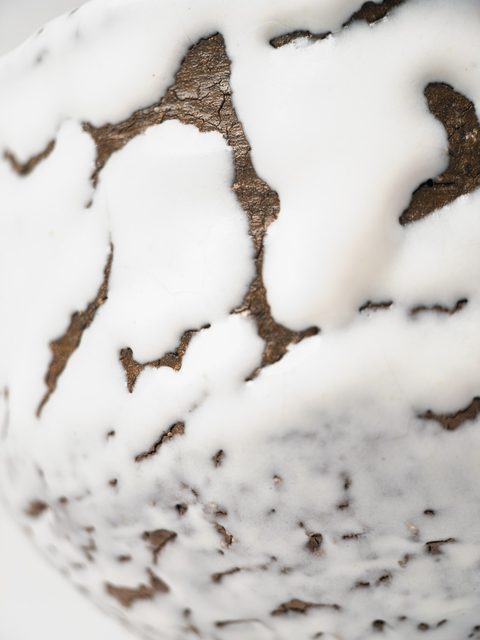
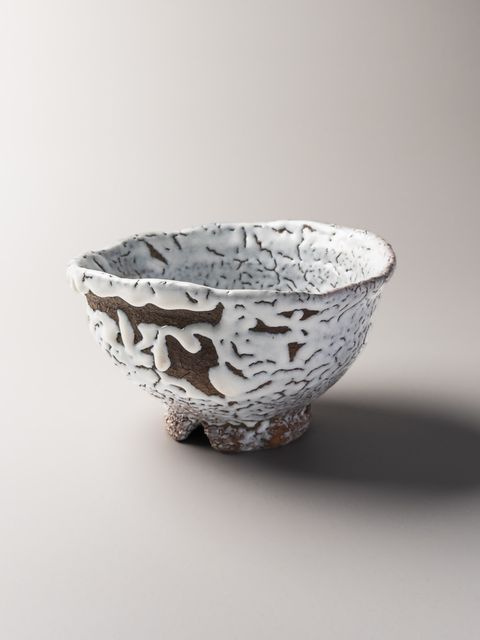
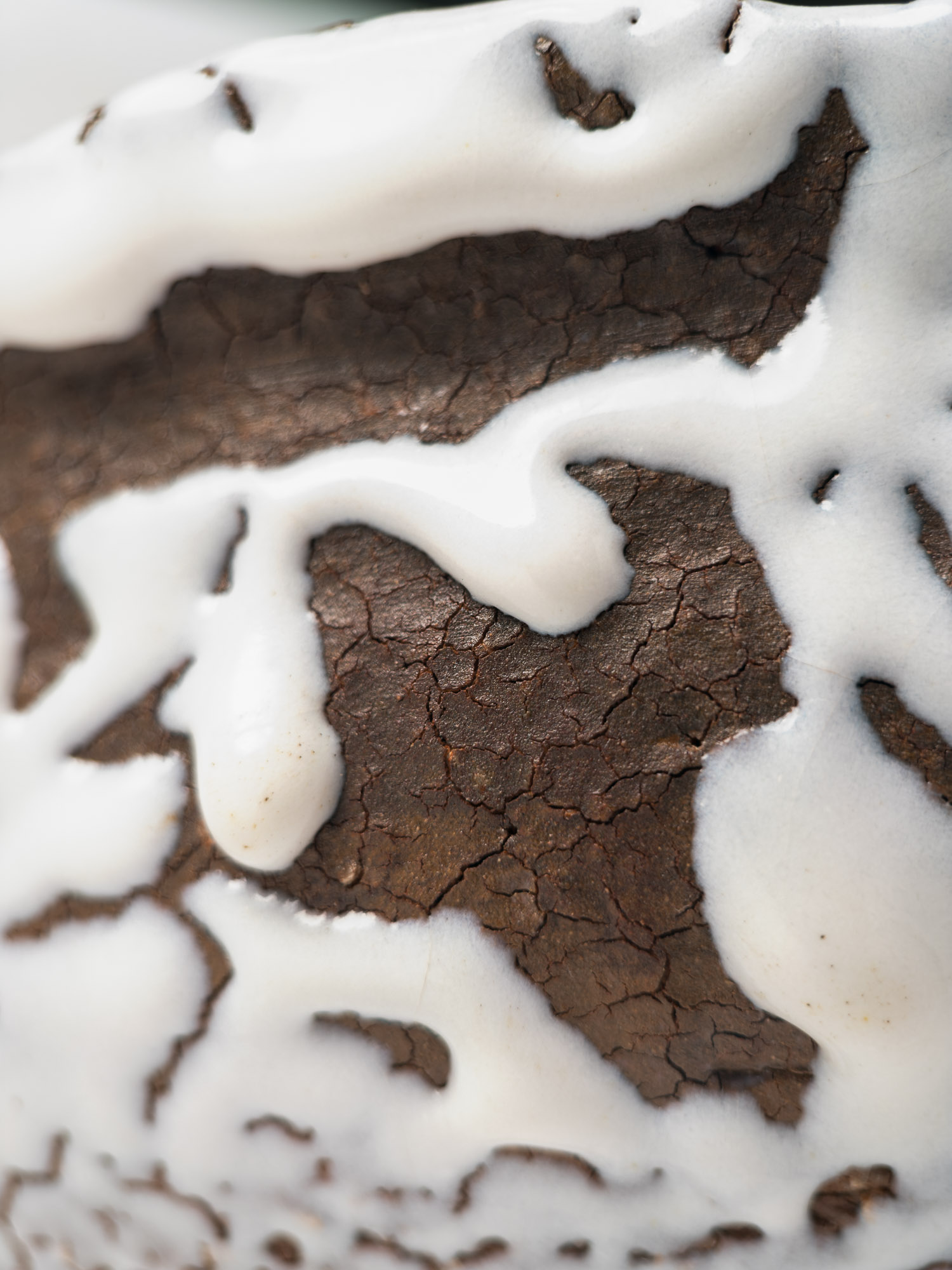
Smooth glaze, with hairline crazing and black pinholes. The bowl stands on a round foot ring.
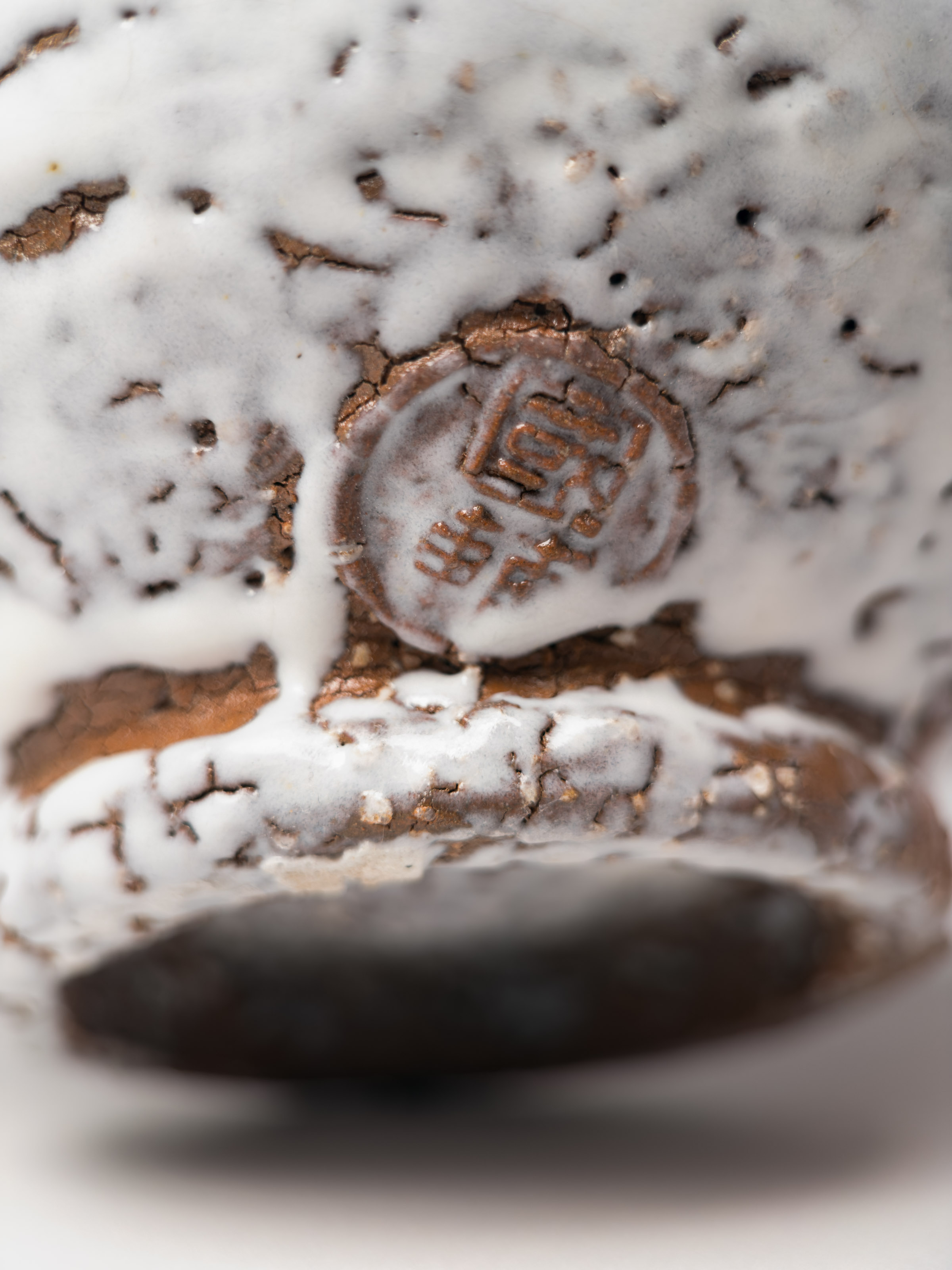
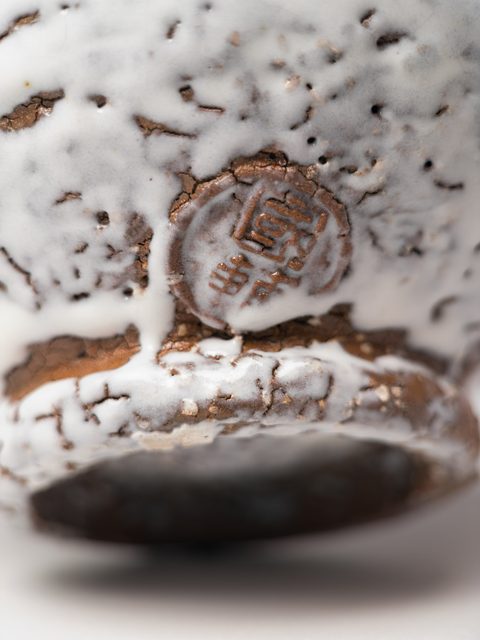
Seal
The artist’s seal: 國 above two smaller charactersphoto 3
Care
Hagi clay is soft and takes in tea. Before its first use, soak the bowl in water for about half a day, then let it dry fully. After each use, wash it by hand, wipe it and let it air-dry right through before you put it away: a bowl put away damp can grow mould. Over the years tea seeps into the fine crazing and the colour slowly changes: nanabake, “the seven changes”, the bowl maturing, not a flaw.
Sold by KISSABŌ Chelkowska und Chelkowski GbR, Kopenhagener Straße 16, 10437 Berlin, Germany · info@kissabo.com
Potter · 陶工
Kunisuke Nakahara中原國輔
Born 1948, Hagi · Kunisuke-gama國輔窯
Kunisuke Nakahara was born in Hagi City in 1948 and has made Hagi ware since 1975. He worked out his clay and glazes by trial and error, at first with a friend, and in 1976 opened his own kiln, Kunisuke-gama, near Tōkō-ji temple in Hagi. He makes tableware, jars and vases too, but the tea bowl is what he works towards, in crawled kairagi glaze and Kyūsetsu white. His work has been selected for the Yamaguchi Art Exhibition and the Seibu Crafts Exhibition, and he is a full member of the Hagi Ceramic Artists’ Association.
That is how the old tea ranking goes — and the second seat is on our shelf. Tea bowls by three Hagi artists: Kunisuke Nakahara, Setsuo Hara and Seigan Yamane. Each is a single piece, and the bowl in the photographs is the bowl you receive.
The ware · 萩焼
A bowl that finishes itself in your hands.
Read the story
Hagi ware comes from Yamaguchi, at the far western end of Honshū, and has been part of the Way of Tea for four centuries. Its clay fires soft and porous; its glaze crazes into a web of hairlines. Tea finds those lines. Over years of use the bowl's colour slowly shifts — the Japanese call it nanabake, the seven changes — until the bowl you own looks like nobody else's, because nobody else drank from it.
It is the same promise as the Kaikado caddy and the raku bowl, made in clay: you don't buy the finished object, you finish it.
Nakahara's biography is from the Hagi Ceramic Artists’ Association and the Hagi kiln map; Hara's came to us through his dealer; Yamane's from the Hagi Ceramic Artists’ Association. The photographs are of the bowls themselves.