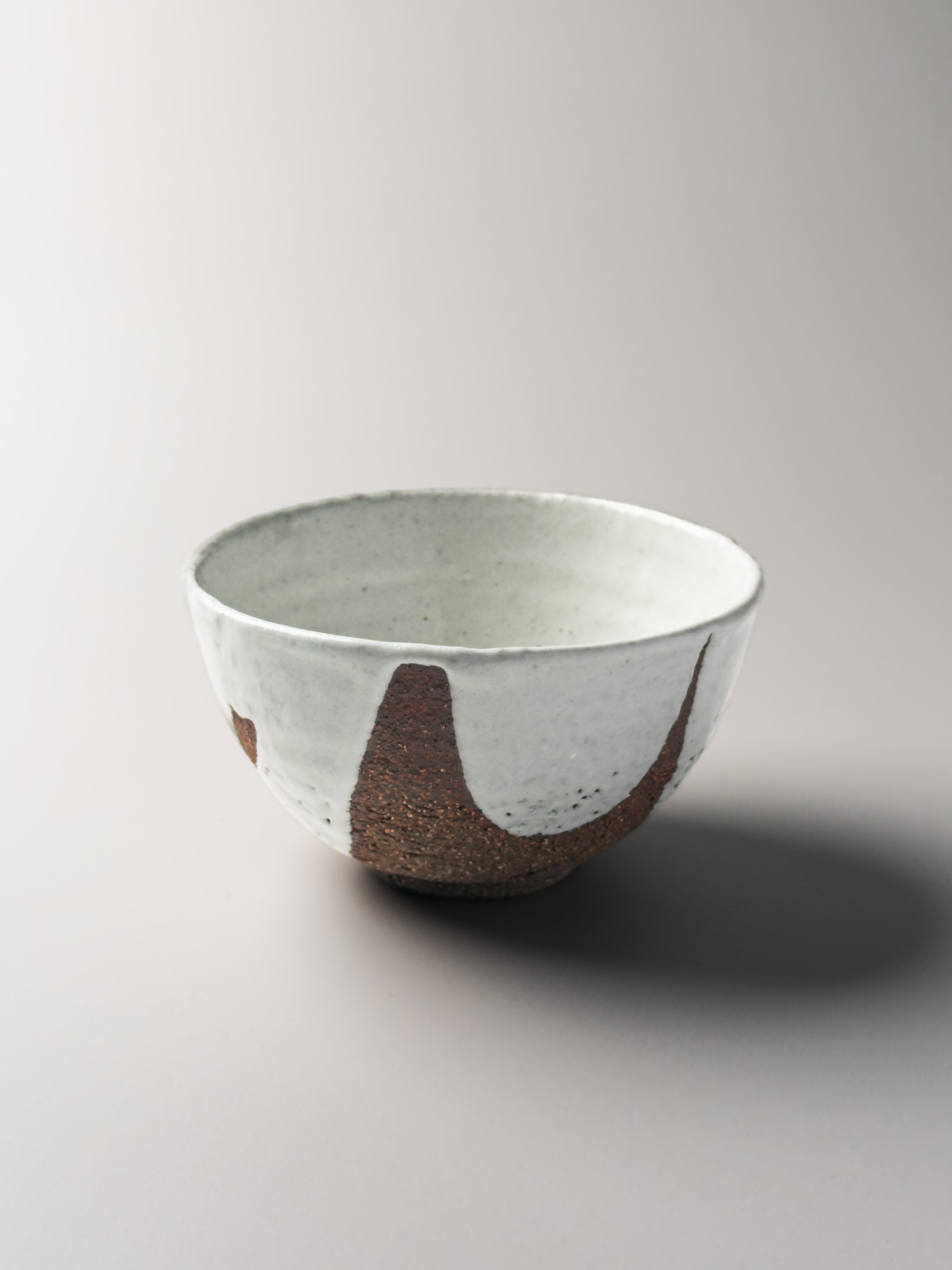
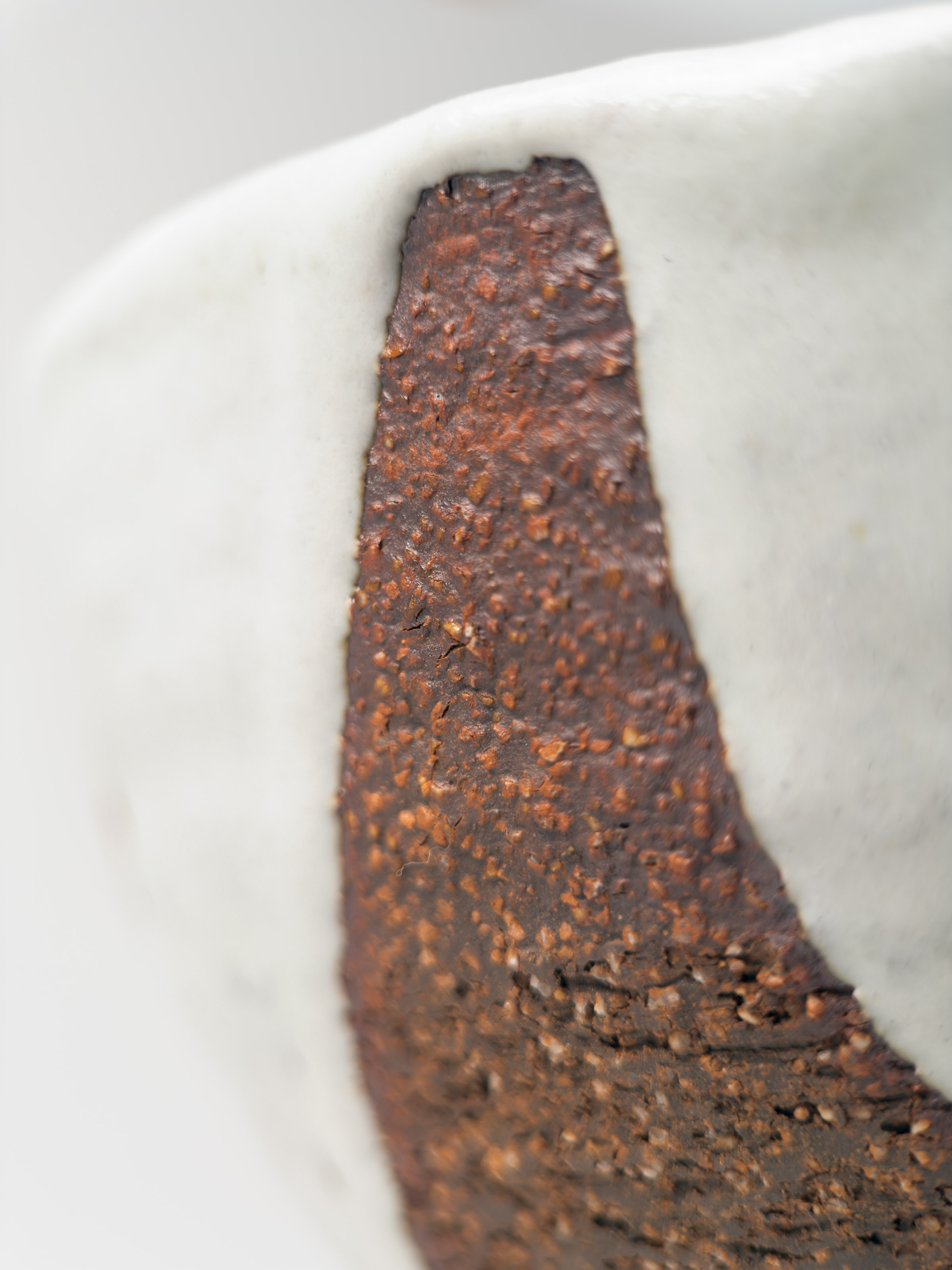
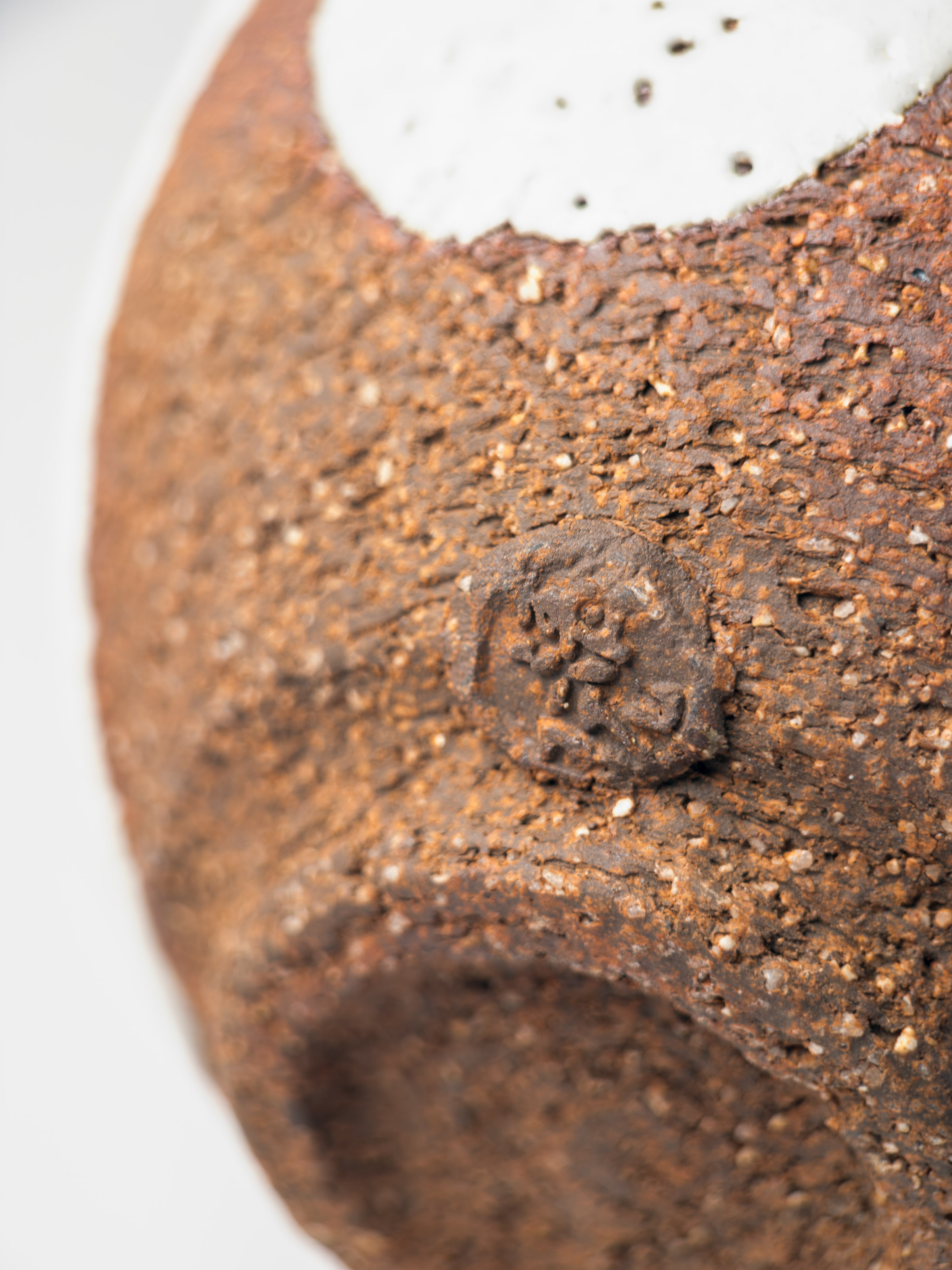
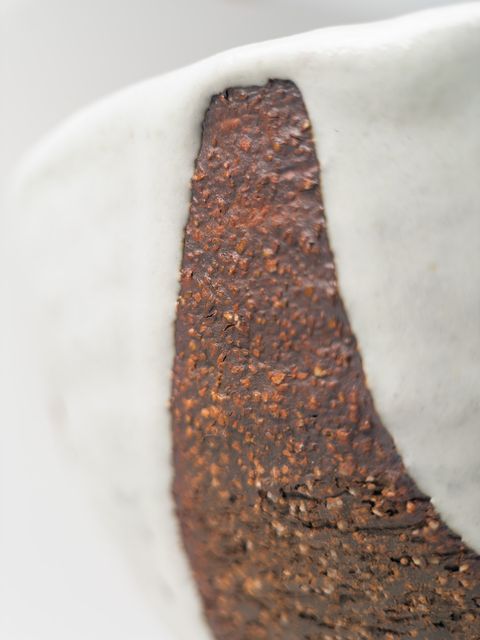
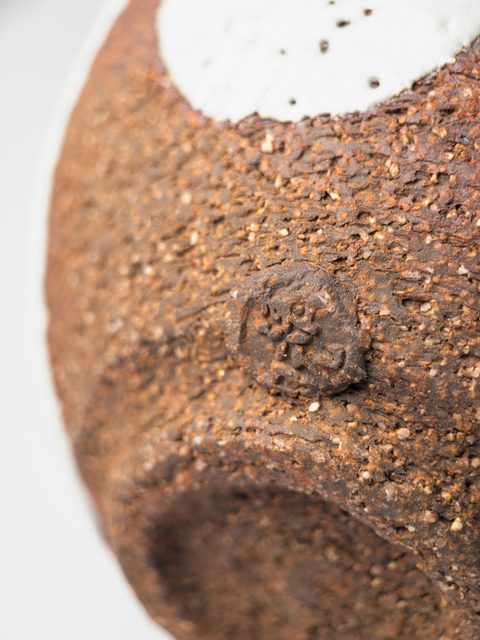
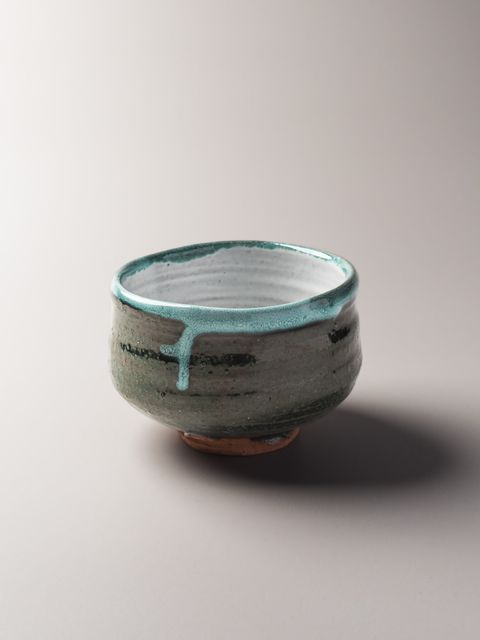
Hagi clay is soft and takes in tea. Before its first use, soak the bowl in water for about half a day, then let it dry fully. After each use, wash it by hand, wipe it and let it air-dry right through before you put it away: a bowl put away damp can grow mould. Over the years tea seeps into the fine crazing and the colour slowly changes: nanabake, “the seven changes”, the bowl maturing, not a flaw.
Product safety
Maker
Seigan Yamane, Kōsai-an (光彩庵), 3437-3 Ōi, Hagi, Yamaguchi 759-3611, Japan
In the EU
Sold by KISSABŌ Chelkowska und Chelkowski GbR, Kopenhagener Straße 16, 10437 Berlin, Germany · info@kissabo.com
Potter · 陶工
Seigan Yamane山根清玩
Born 1952, Hagi · Kōsai-an kiln 光彩庵
Seigan Yamane, born in Hagi City in 1952, is self-taught — he opened his own kiln, Kōsai-an, in 1991, and is best known for his blues: his work is called “Seigan Blue”. A full member of the Hagi Ceramic Artists’ Association.
That is how the old tea ranking goes — and the second seat is on our shelf. Tea bowls by three Hagi artists: Kunisuke Nakahara, Setsuo Hara and Seigan Yamane. Each is a single piece, and the bowl in the photographs is the bowl you receive.
The ware · 萩焼
A bowl that finishes itself in your hands.
Read the story
Hagi ware comes from Yamaguchi, at the far western end of Honshū, and has been part of the Way of Tea for four centuries. Its clay fires soft and porous; its glaze crazes into a web of hairlines. Tea finds those lines. Over years of use the bowl's colour slowly shifts — the Japanese call it nanabake, the seven changes — until the bowl you own looks like nobody else's, because nobody else drank from it.
It is the same promise as the Kaikado caddy and the raku bowl, made in clay: you don't buy the finished object, you finish it.
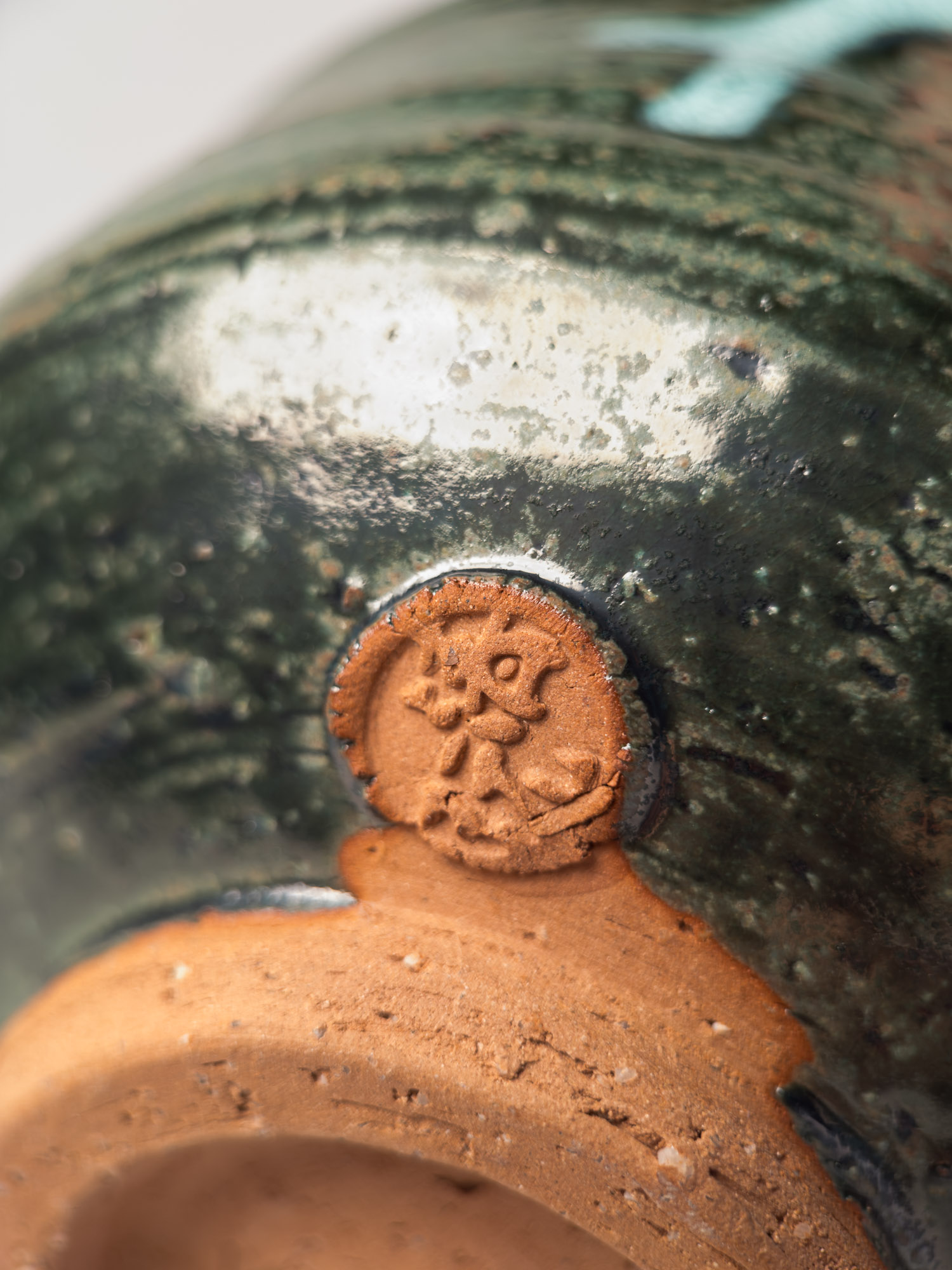
Nakahara's biography is from the Hagi Ceramic Artists’ Association and the Hagi kiln map; Hara's came to us through his dealer; Yamane's from the Hagi Ceramic Artists’ Association. The photographs are of the bowls themselves.