← Teas

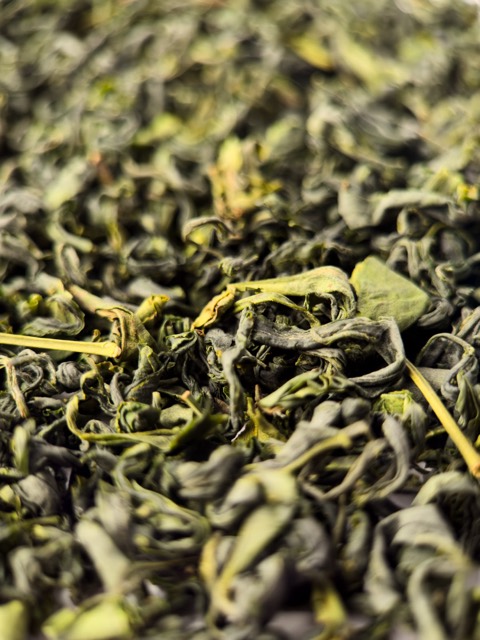
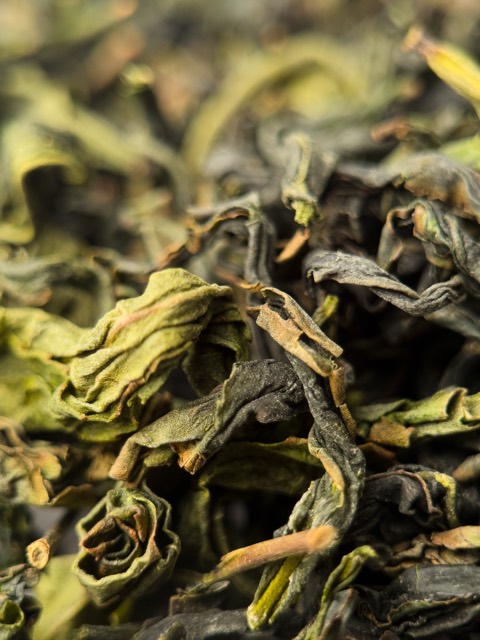
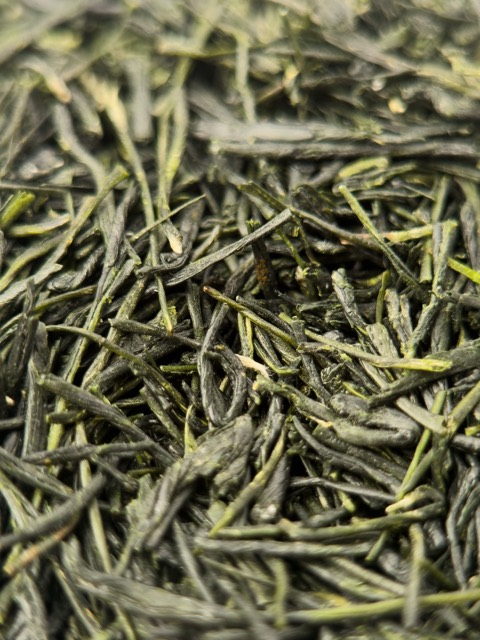
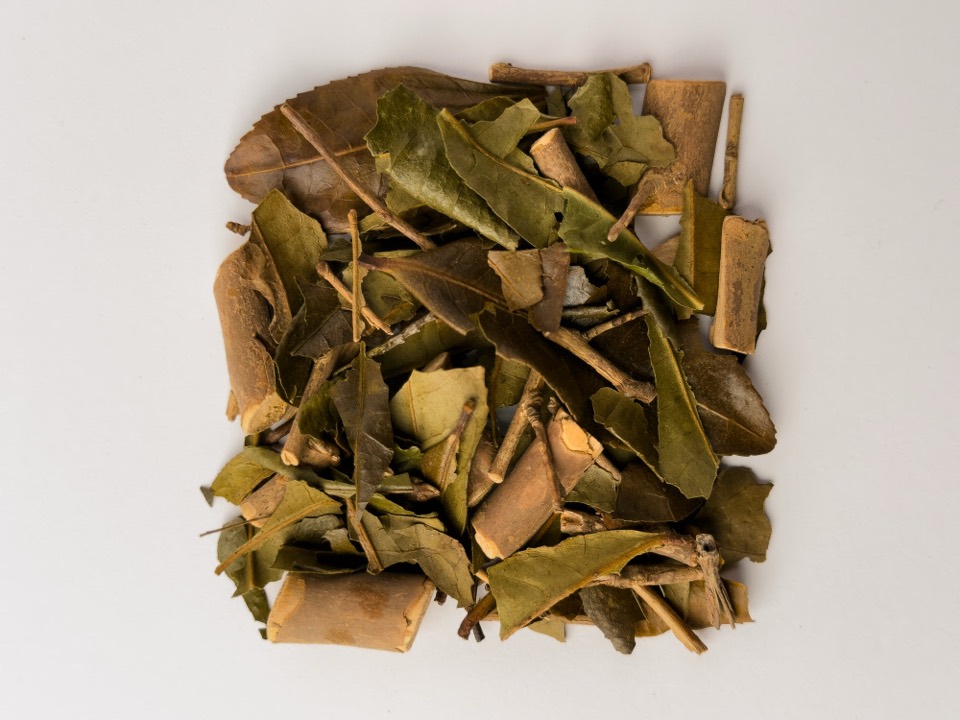
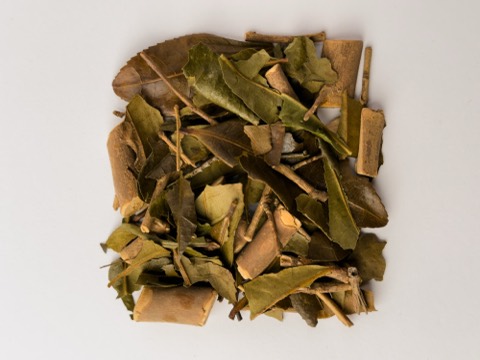
Three-year bancha, close up: a loose heap of broken olive-green and brown leaves crossed by twigs, with short pieces of tan bark at the edges
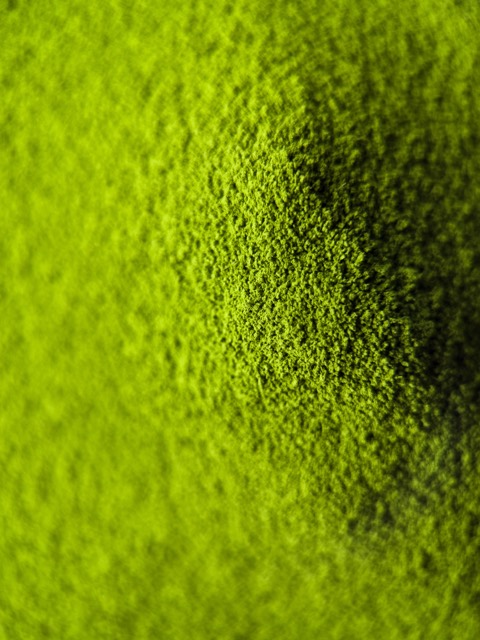
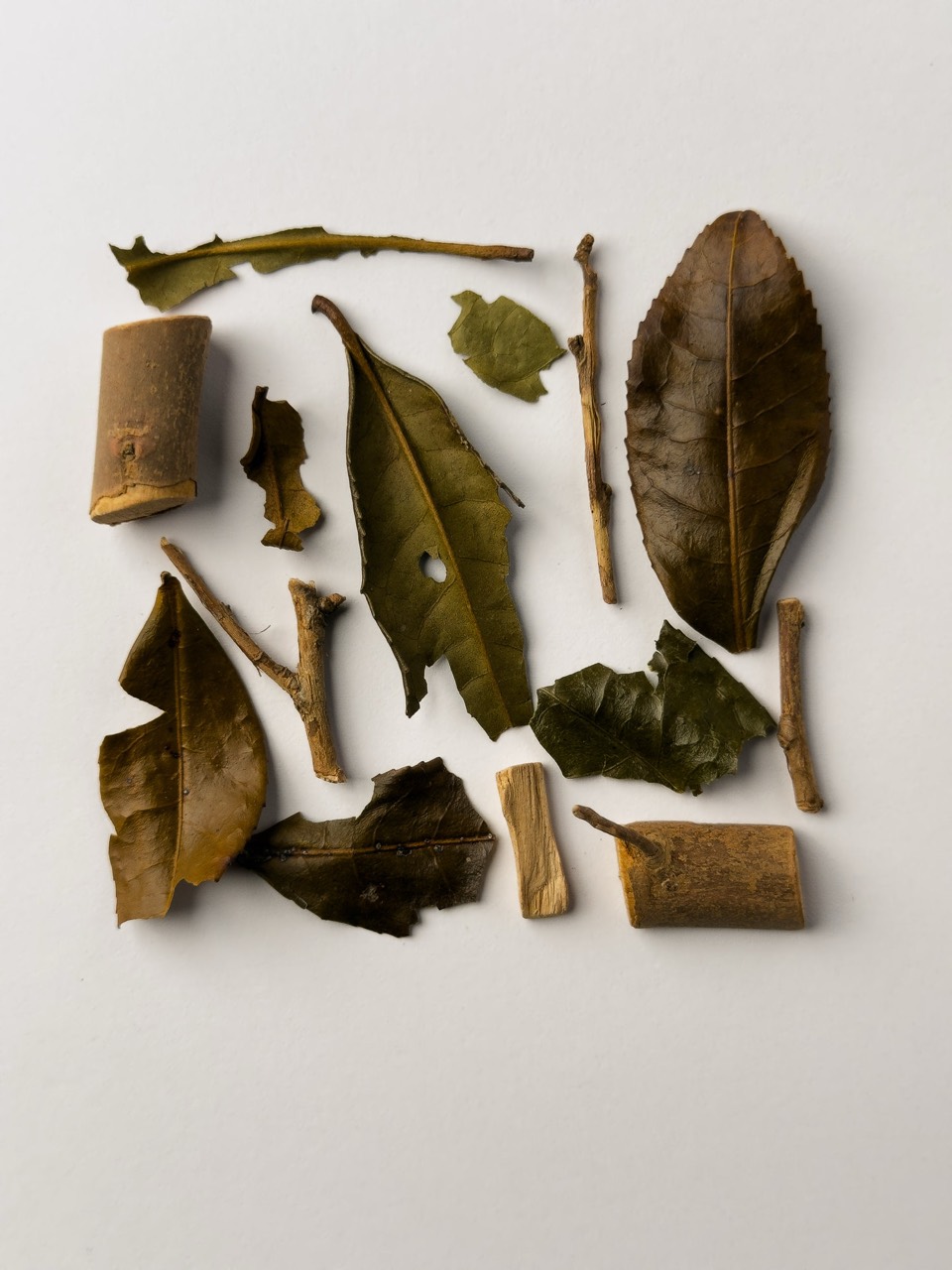
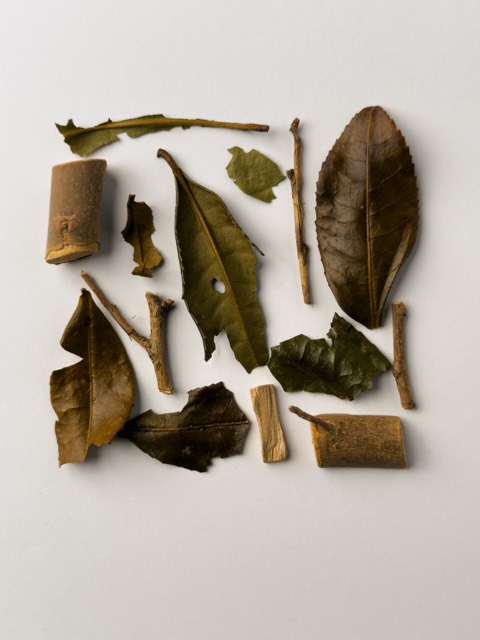
Three-year bancha laid out on white paper: large olive and brown leaves, one with a serrated edge, with thin twigs and short lengths of bark-covered branch
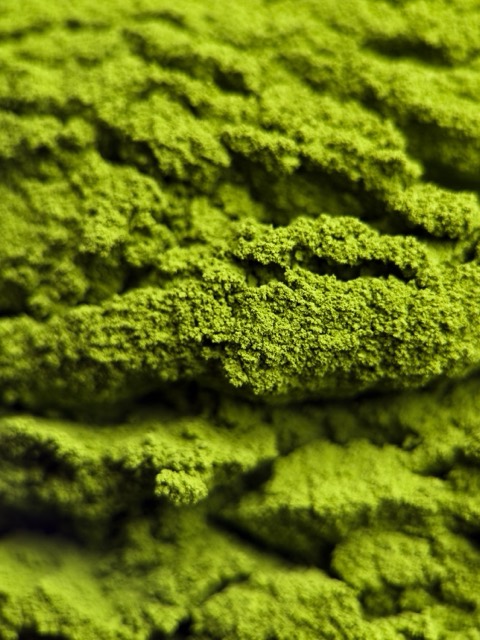
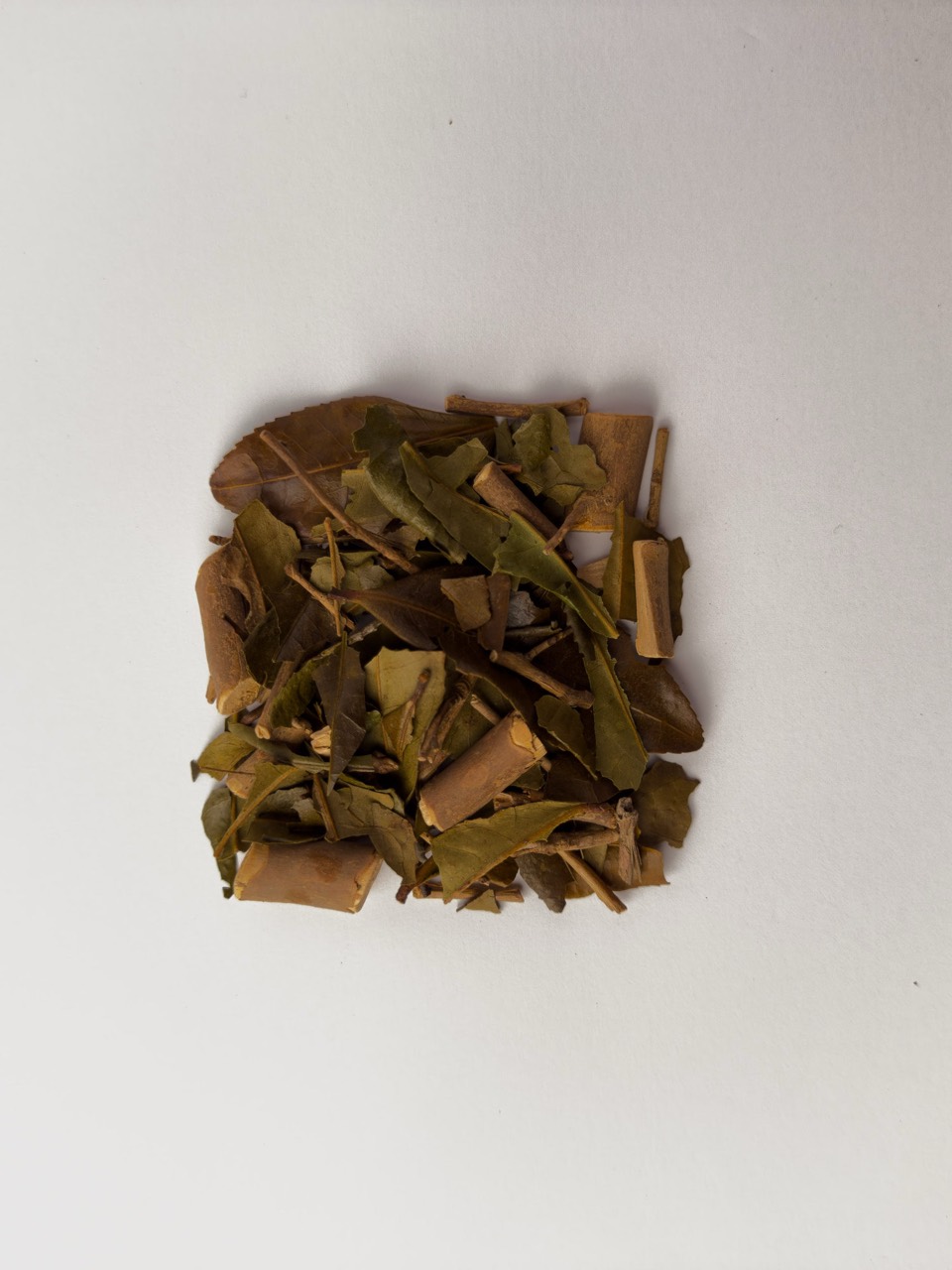
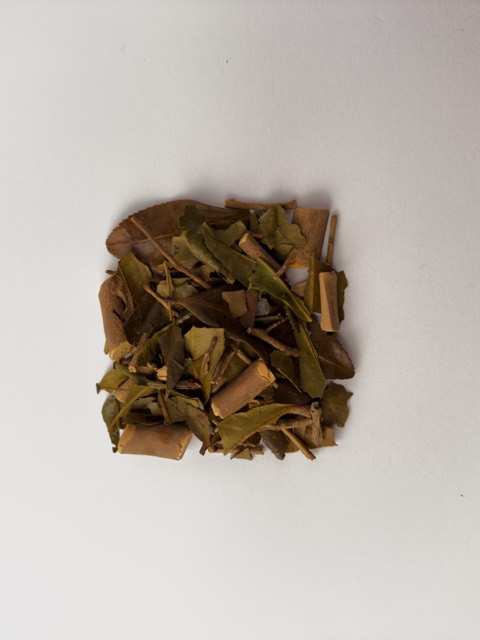
Three-year bancha heaped in a small square on white paper: broken olive and brown leaves mixed with twigs and pieces of tan bark, seen from further away
K·10·B · coming soon

Three-year bancha三年番茶

On the stove, by the litre

Roasted green tea from Japan: stems, twigs and big leaves, from a family tea garden in the mountains of Kyūshū.

Stems and leaves of tea bushes left to grow three years or more, roasted by hand over a wood fire. A toasty wood-fire aroma; clean to drink.

Coming soon
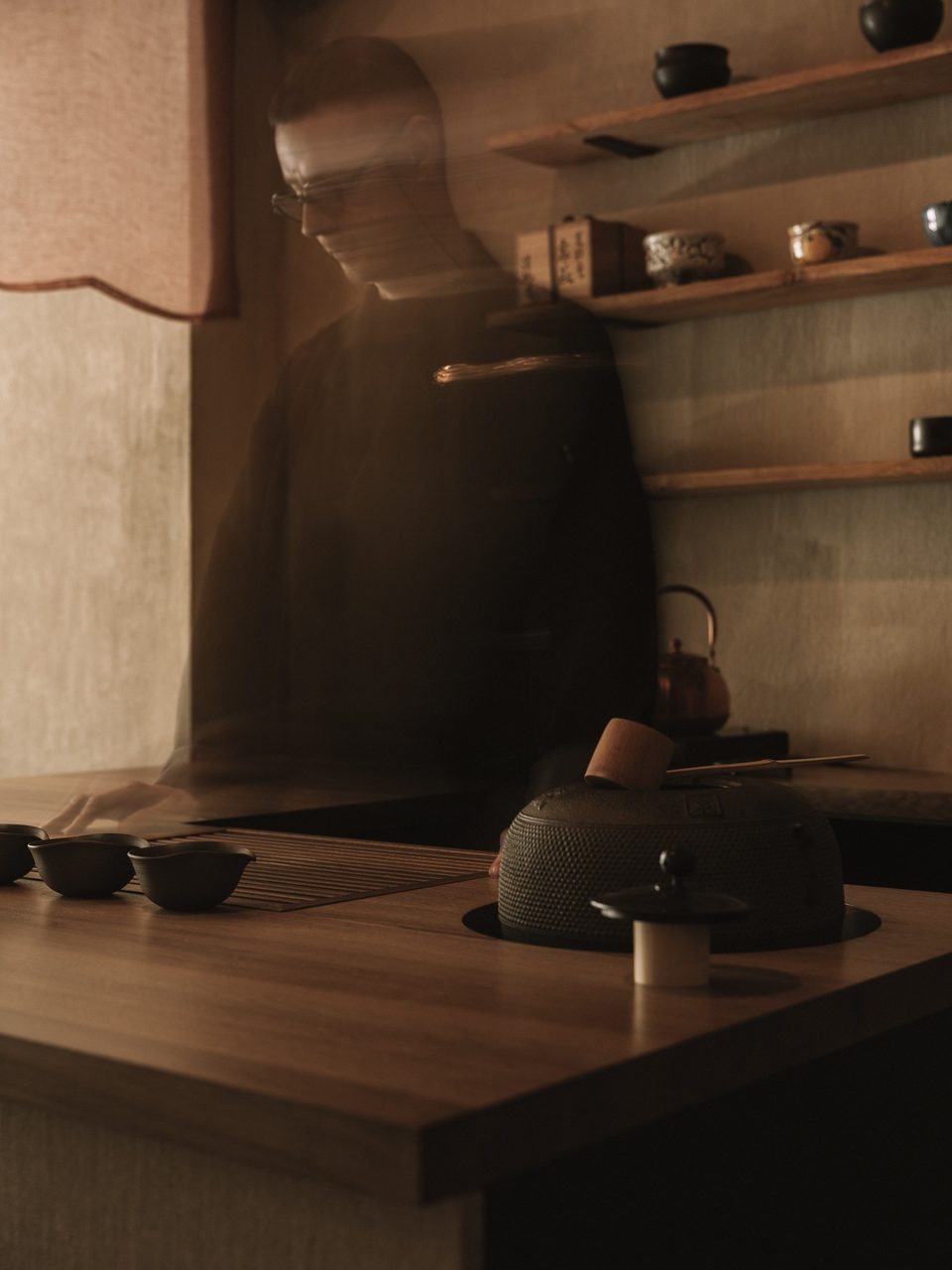
Marcin behind the counter at Kissabō, in motion
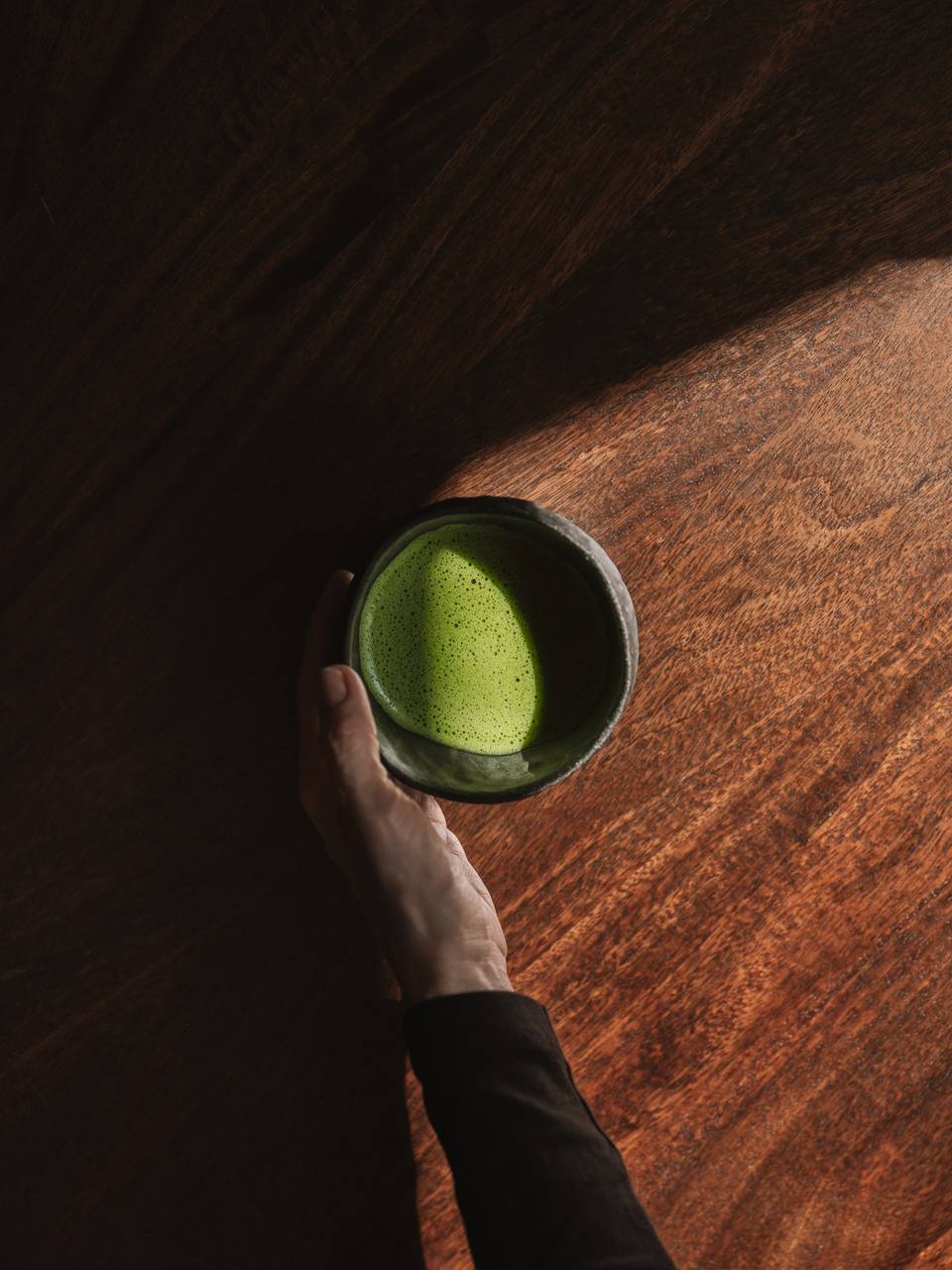
A hand holding a bowl of whisked matcha on the dark wood of the counter
Who picks your tea

Gosia and Marcin.

The two of us run Kissabō, a tea bar in Prenzlauer Berg. Every tea in the shop is one we pour there. This autumn it opens our Autumn Set, three courses in a row. It comes first, with a soft chocolate made with hōjicha (roasted green tea) and shōyu kasu, the lees left from pressing soy sauce.

The bar · Wed–Sun 14:00–18:00 →

★ 4.7 · 150+ reviews of the bar on Google (opens Google Maps)

Google reviews of our bar in Berlin; we don’t check who wrote them.

“A completely unique hospitality offering.”

Ignant

How to brew it

Three-year bancha, close up: a loose heap of broken olive-green and brown leaves crossed by twigs, with short pieces of tan bark at the edges

Simmered煮出し

A litre on the stove, the garden’s way.

Leaf
25 g
Water
1 litre, cold
Heat
To the boil, then low
Time
About 20 minutes
The steps
  1. Put 25 g of leaf in a pan with a litre of cold water.
  2. Bring it to the boil.
  3. Turn the heat low and simmer for about 20 minutes.
  4. Strain, and pour.

The garden leaves the amount of leaf to taste. 25 g a litre is how we make it at the bar; for half a litre, use half.

Chagayu茶粥

Rice cooked in the tea, as in Yamaguchi.

Rice
1 cup
Bancha
15 g, in a cloth or paper bag
Water
8 cups, the same cup
Serves
Five
The steps
  1. Fill a cloth or paper tea bag with 15 g of bancha.
  2. Bring the water to the boil and add the bag.
  3. When the tea turns amber, take the bag out.
  4. Add the rice and cook it on high heat for 17–18 minutes, without letting it boil over.
  5. Eat it warm in winter. In summer, cool it quickly, keep it in the fridge, and eat it chilled.

A Yamaguchi recipe, from the Japanese farm ministry’s collection of regional dishes.

What you need, and the water

The watersoft is best: filtered, or a soft still bottled one. Berlin’s tap water is hard, and hard water changes the taste.

What you needa pan or a kettle that can simmer on the stove, a sieve, and a scale for the 25 g. For chagayu, a cloth or paper tea bag you can fill.

Before you ask

Before you ask

What does “three-year” mean?

That the tea bushes were left to grow freely for three years or more before their stems and leaves were cut by hand, from late autumn into winter. We found no official definition of the name, and it is also used for bancha matured for three years after it is made. Ours is the first kind: a tea for simmering.

What does simmering mean?

Cooking the leaf in water instead of steeping it: cold water, brought to the boil, then about 20 minutes on low heat. That is the garden’s own way. The recipe is above.

What is chagayu?

Rice cooked in tea. In Yamaguchi, roasted bancha in a cloth bag is boiled in an iron kettle, 鑵子 kansu, until well coloured. The bag comes out, and the rice cooks in the tea. It is everyday food there, eaten warm in winter and chilled in summer, and eateries and inns around Yanai serve it. Wakayama makes its own version, called okaisan. The recipe is above.

Is there caffeine?

Yes. In a lab test, roasting tea hardly lowered its caffeine, so the wood fire is no reason to expect less. This tea has not been measured, so here is an estimate and what it rests on. Japan’s food tables put bancha leaf at 1.9 g of caffeine per 100 g, so 25 g of leaf hold about 475 mg. A long simmer draws out most of it. Spread over the litre you started with, that is about 50 mg per 100 ml, and a pot that simmers down is a little stronger. Leaf varies from lot to lot, so take this as a guide, not a limit.

How long does it keep?

Unopened, until the best-before date on the bag. Once it is open, keep it sealed and dry: moisture harms opened tea.

Can I come and taste it first?

Yes, this autumn, as the first course of our Autumn Set. Kopenhagener Str. 16, Prenzlauer Berg, Wed–Sun 14:00–18:00. It is not in the shop yet. Hear first, and we’ll write the day it is on sale.

Where it comes from

Where it comes from

NameRoasted green tea from Japan: stems, twigs and leaves (bancha)
Made forThe stove, by the litre
GrowerMiyazaki Sabō 宮﨑茶房, the Miyazaki family
PlaceGokase, Miyazaki, Kyūshū
The bushesLeft to grow freely, three years or more
HarvestCut by hand, late autumn into winter
MadeSorted stalk by stalk, dried, then roasted by hand in a flat kiln over a wood fire
In the bagBig stems, twigs and leaves, some broken; a few pieces still carry bark
KeepsBest before: the date on the bag
SizeTo come
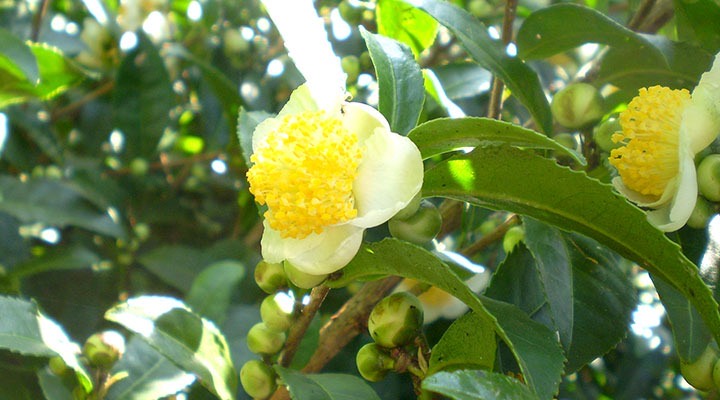
Tea flowers on a bush in the garden
Who grows it · 畑

The Miyazaki family,
Gokase.

Miyazaki Sabō 宮﨑茶房 is the Miyazaki family’s tea garden in Gokase, in the mountains of Kyūshū. Akira Miyazaki runs it today. They grow 29 cultivars on 14.8 hectares and do it all themselves, from growing the tea to selling it: mostly kamairicha, with oolong and black tea. All three of our leaf teas come from there.

Our bancha is their simmering kind: stems and leaves of bushes left to grow three years or more, cut by hand in winter and roasted over a wood fire.

The garden’s record

  • 2025Prime Minister’s Prize (内閣総理大臣賞) at Japan’s Agriculture, Forestry and Fisheries Festival (農林水産祭), for the farm as a whole. Source
  • 2002Emperor’s Cup (天皇杯) at Japan’s Agriculture, Forestry and Fisheries Festival, for the family’s farm as a whole. Source (PDF, 63 MB)

The garden’s prizes, by year. None was given to the harvest in this bag.

The year in this tea

The year in this tea

春

Spring

The bushes grow on, uncut, for three years or more.

夏

Summer

Chagayu, chilled, the way Yamaguchi eats it in summer.

秋

Autumn

The cut by hand begins in late autumn. At the bar, it opens the Autumn Set.

冬

Winter

Chagayu, warm; or a pot of it with grilled meat or dumplings: our suggestion.

The other teas

Yoi宵

Start hereWater, or milk without sugar

from €35 · 20 g · €1,750 per kg · also 40 gincl. VAT · plus post

Three-year bancha三年番茶 Coming soon