← Teas

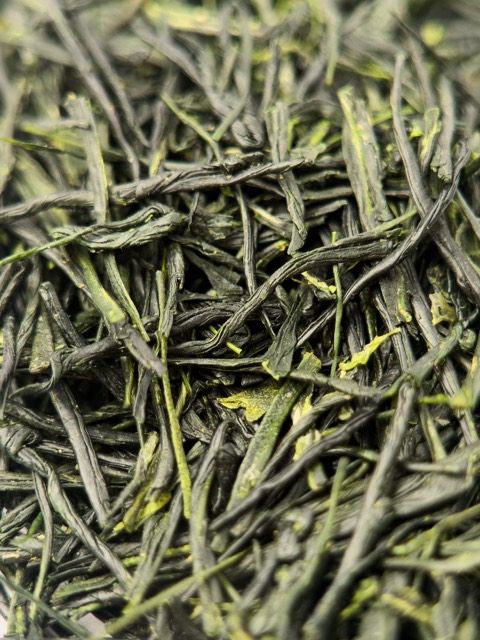
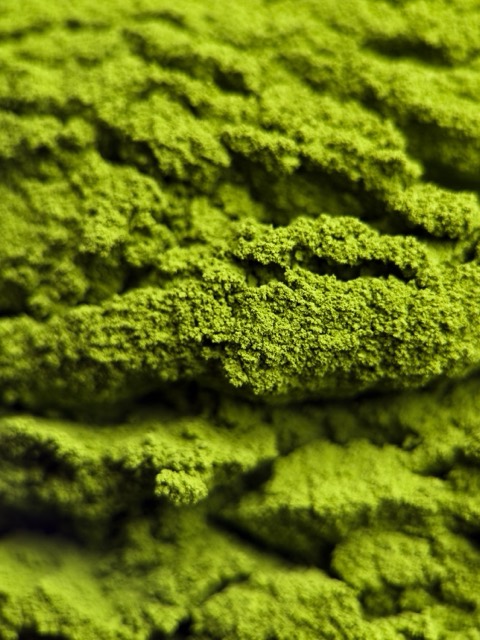
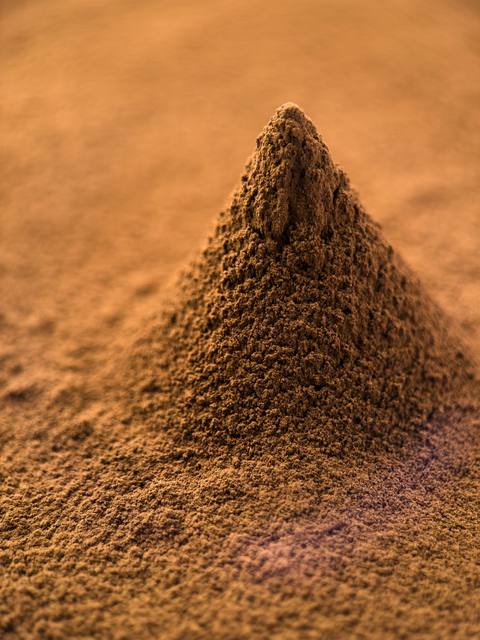
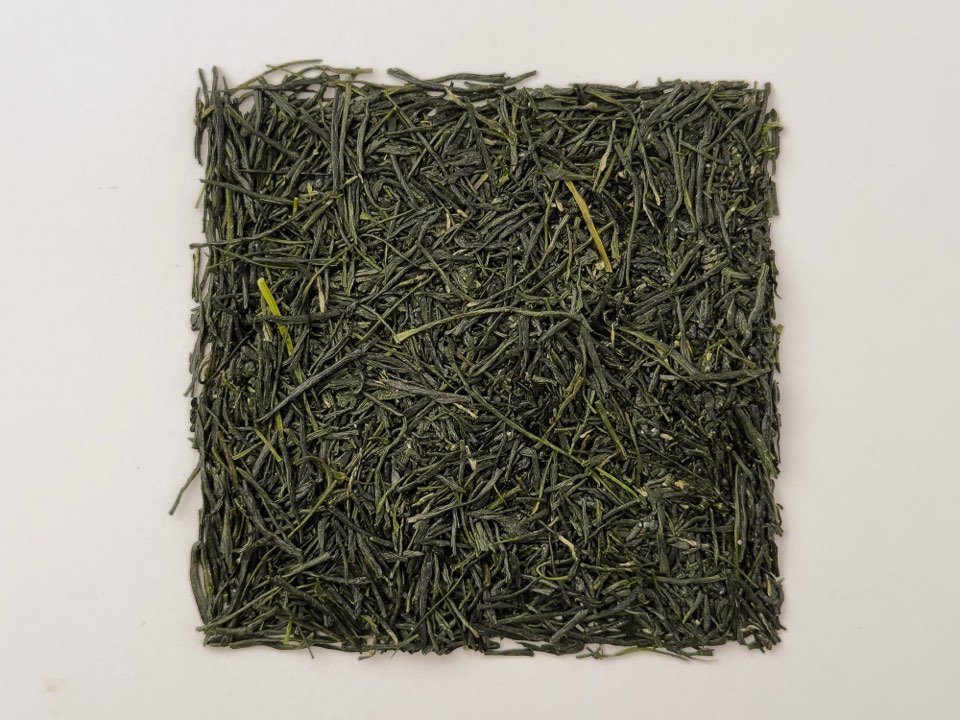
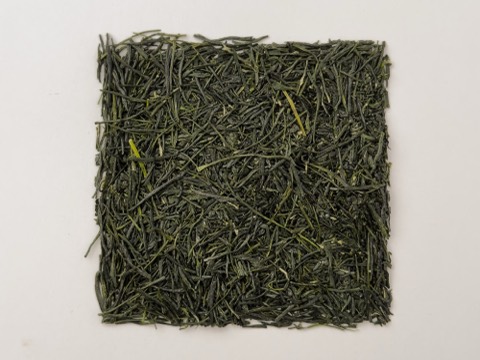
Saemidori gyokuro, close up: fine dark green needles heaped in a square on white paper, a few of them lighter green
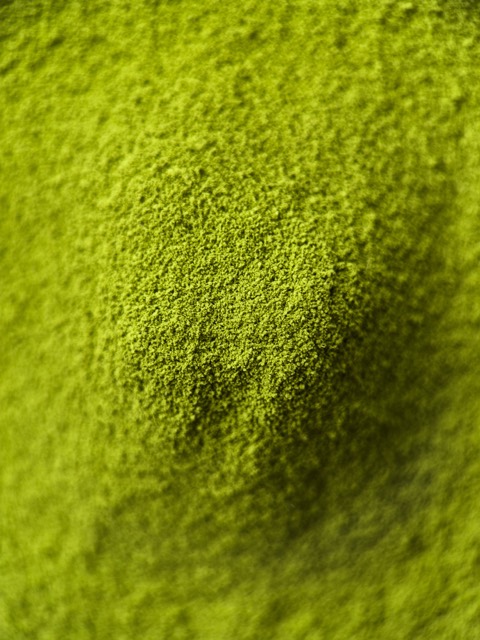
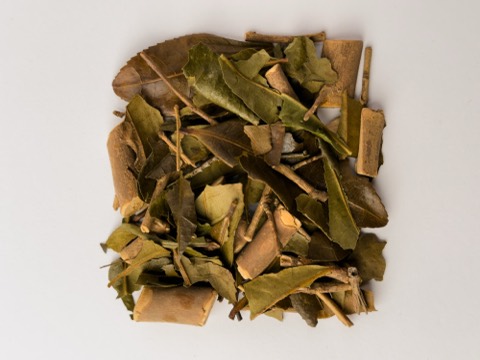
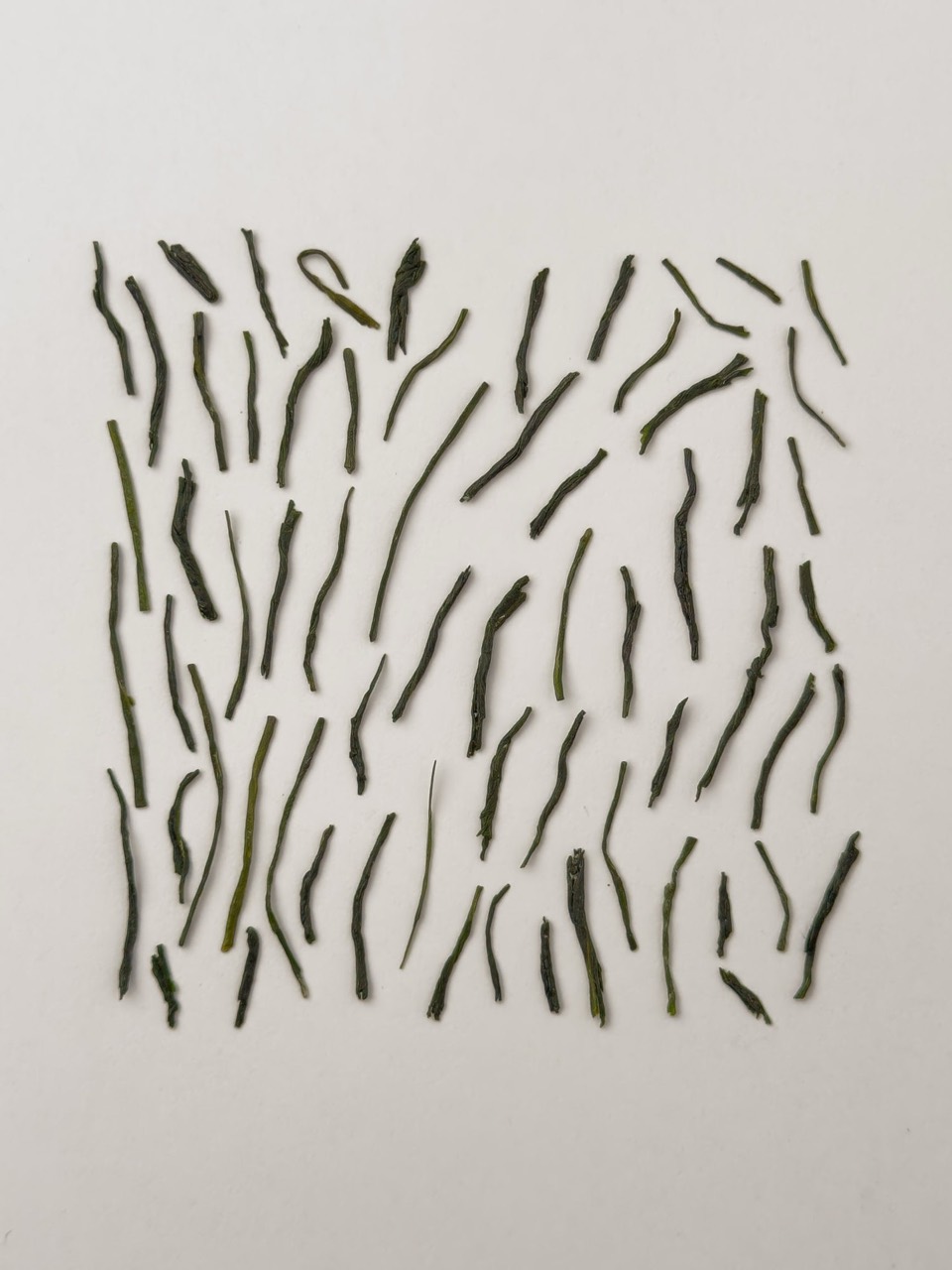
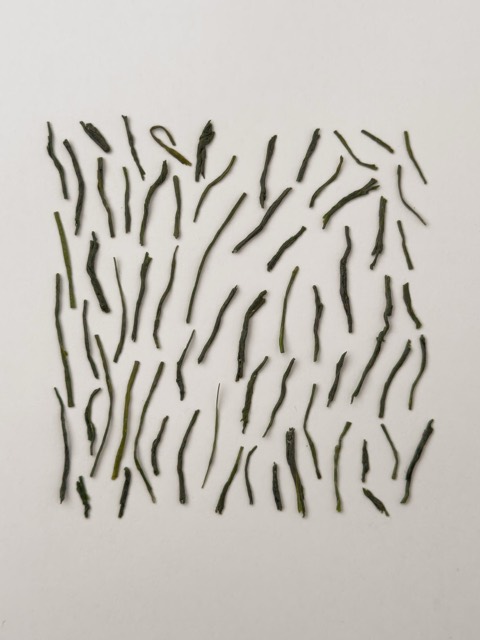
Saemidori laid out on white paper: fine dark green needles, most of them slightly curved, set side by side in loose rows
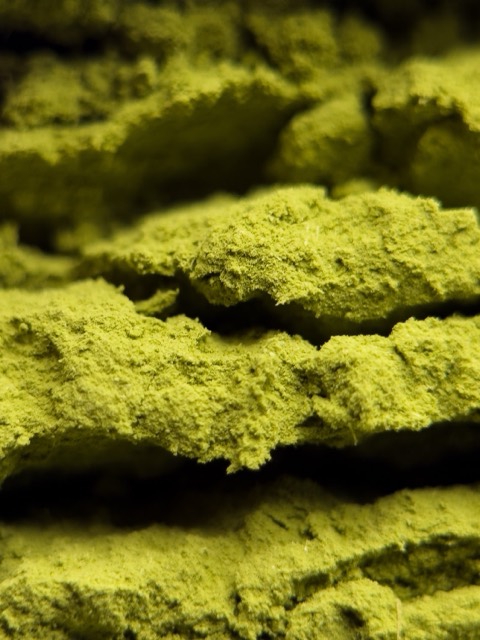
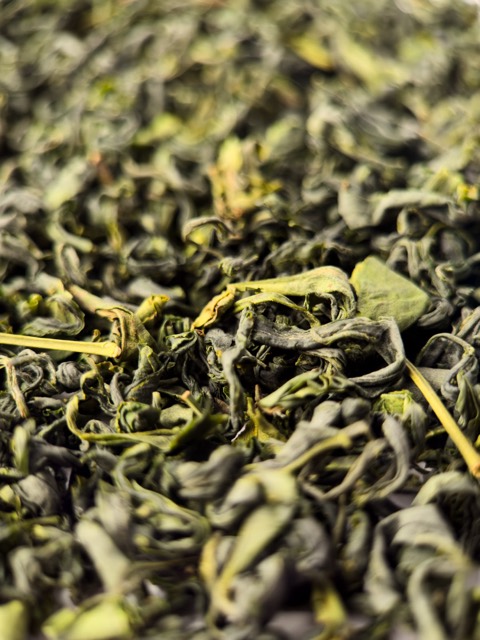
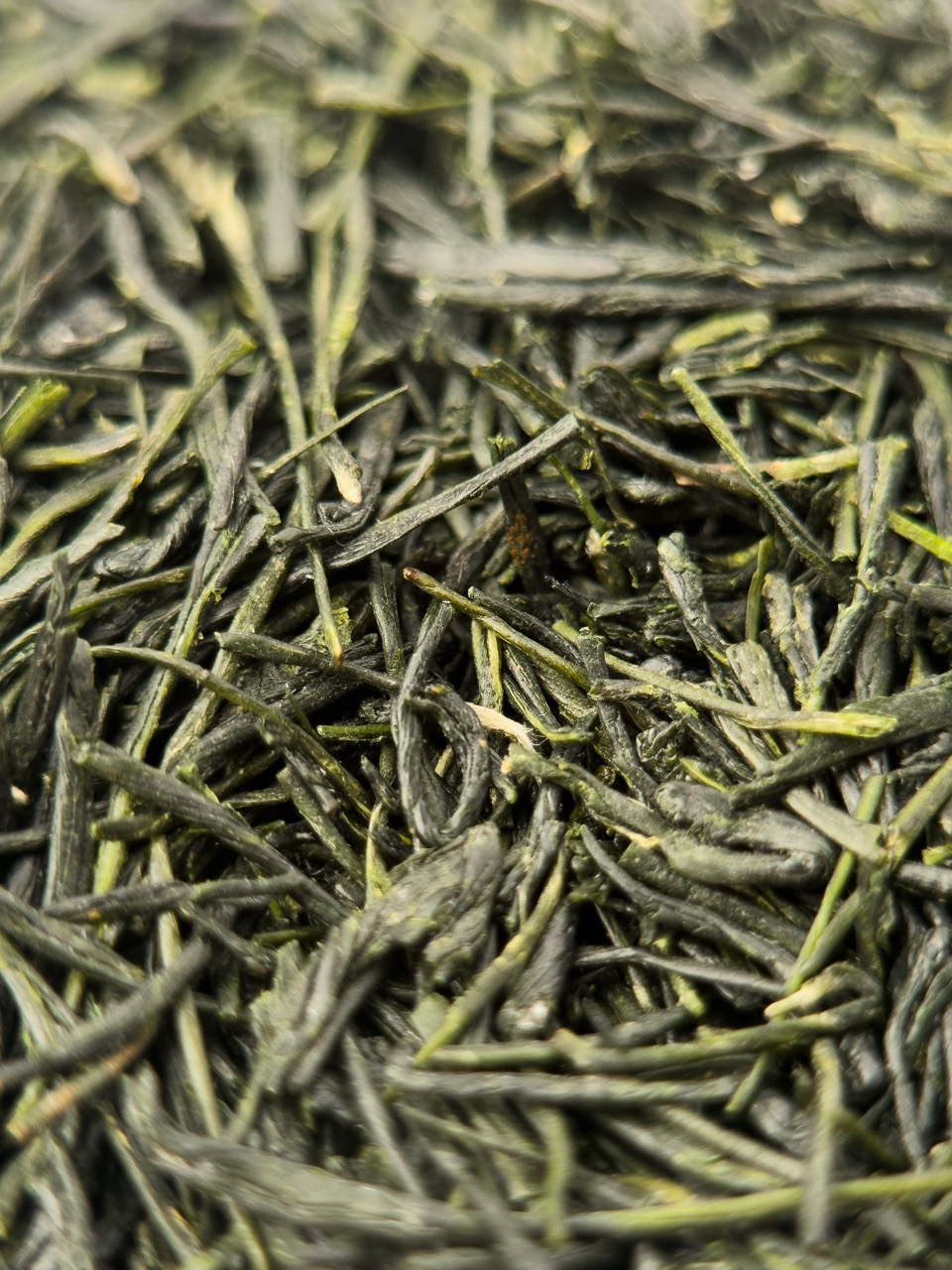
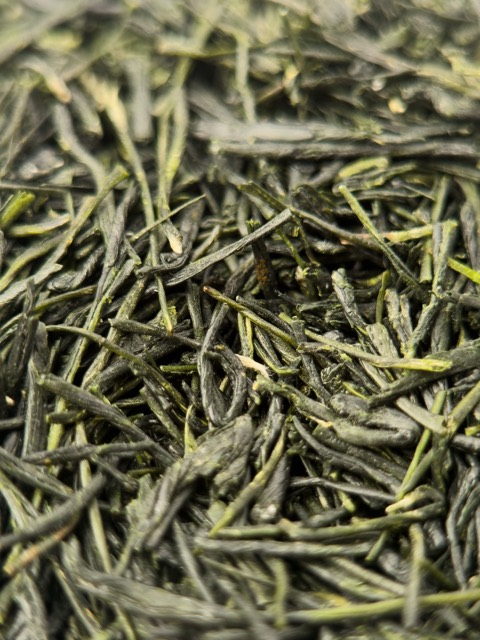
Saemidori gyokuro, very close: fine, dark green leaves rolled into needles, crossing each other, a few of them lighter green; the far ones soft and out of focus
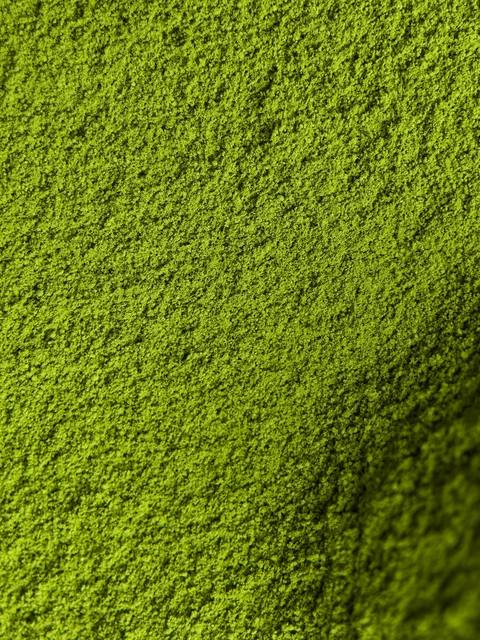
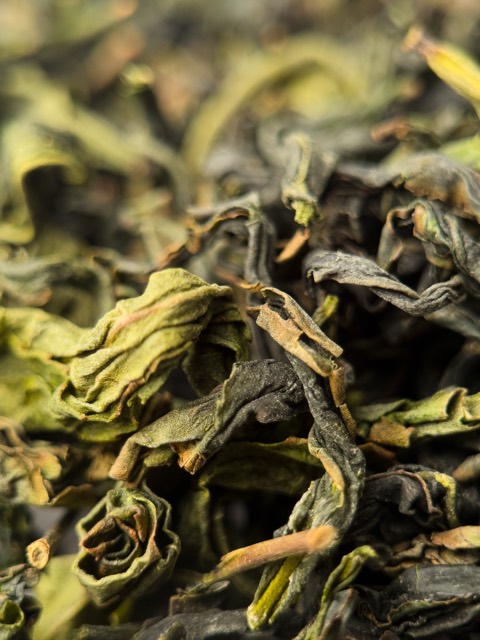
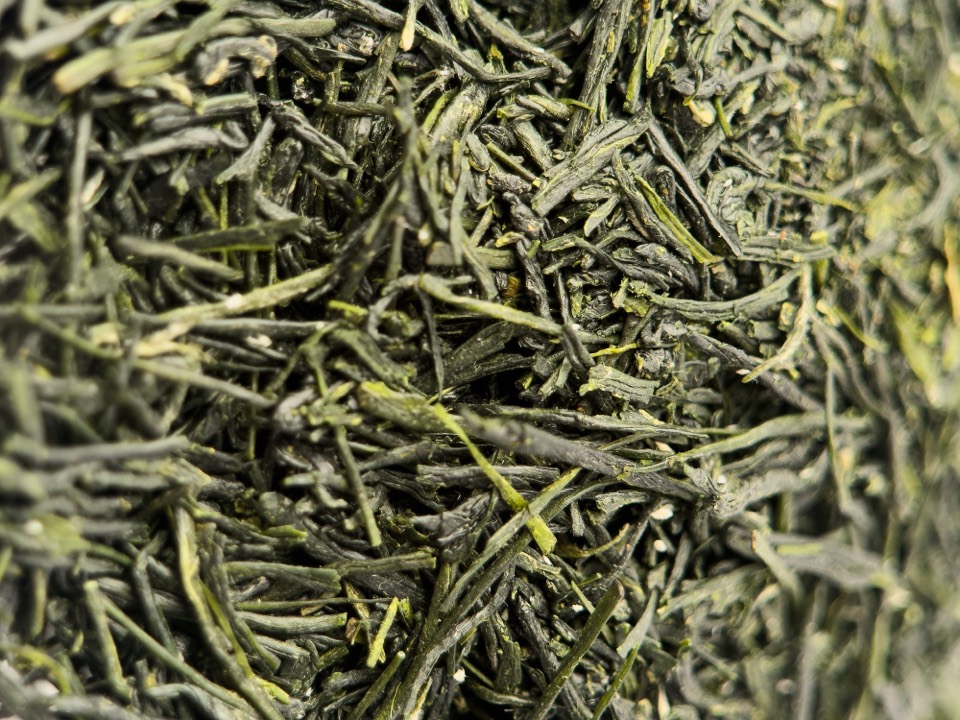
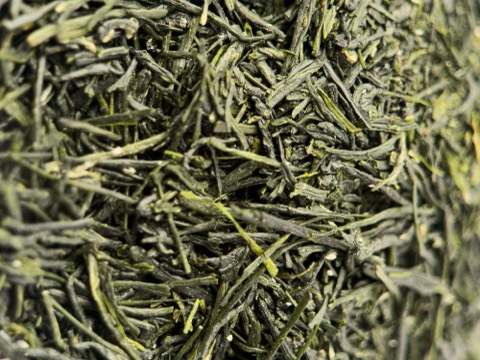
Saemidori, closer still: dark green needles packed together, some with bright green edges, sharp in the middle of the frame and soft at its sides
K·05·G

Saemidoriさえみどり

A small teapot, three steepings

Gyokuro from Japan, from Hattori Tea Farm (Kikugawa, Shizuoka). The silkier of our two.

Deep umami first, then a sweetness that stays; silky, with a long finish. Picked by hand. Competition grade: leaf made to the standard of Japan’s tea competitions. A grade, not a prize.

€29 · 20 g · €1,450 per kg · incl. VAT · plus post · about 5 pots, three steepings each

Tea by post: post free on every parcel; save 10% over 6 parcels or 15% over 12. How Tea by post works →

Comes in a heat-sealed bag: once you’ve opened it, it can’t be returned.

Food information

Posted within two working days. Germany €4.90, free from €69 · EU €14.90, free from €99.

What we'd put beside it at the counter.
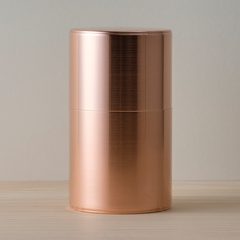
Copper caddy銅
Kaikado · Kyōto · since 1875

Long, 200 g. Airtight: it keeps the leaf from light and air.

€245incl. VAT · post free

Or a gift card for the webshop, by email →
  • Card, Apple Pay, Google Pay, PayPal or Klarna, on Stripe.
  • From our tea bar, Kopenhagener Str. 16, Berlin. Taste it there first, or write to us: one of us answers by name.
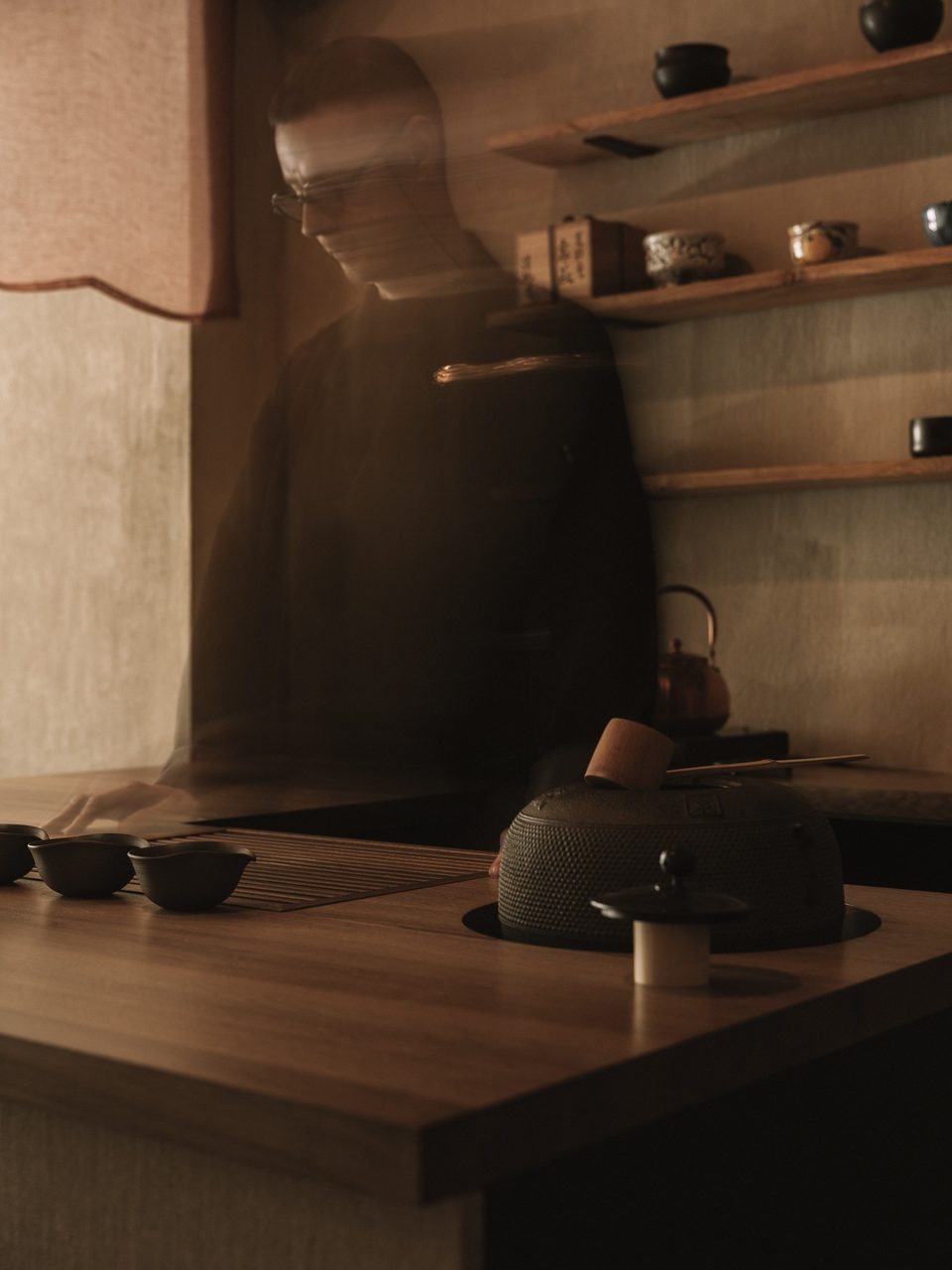
Marcin behind the counter at Kissabō, in motion
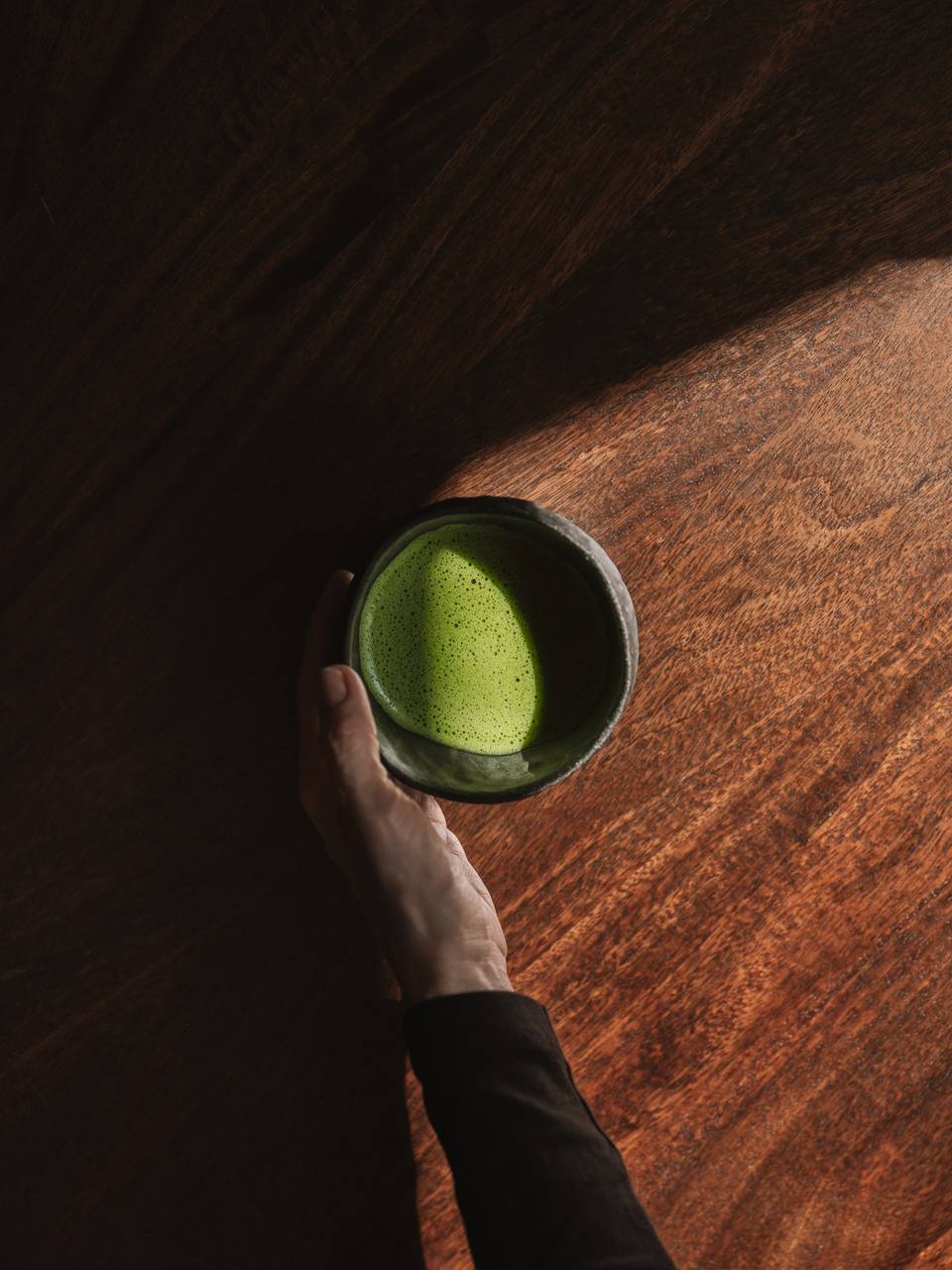
A hand holding a bowl of whisked matcha on the dark wood of the counter
Who picks your tea

Gosia and Marcin.

The two of us run Kissabō, a tea bar in Prenzlauer Berg. Every tea in the shop is one we pour there. At the bar we brew Saemidori three times, at 35°, 60° and 90°, and pour it at the bar seating.

The bar · Wed–Sun 14:00–18:00 →

★ 4.7 · 150+ reviews of the bar on Google (opens Google Maps)

Google reviews of our bar in Berlin; we don’t check who wrote them.

“A completely unique hospitality offering.”

Ignant

How to brew it

Saemidori, closer still: dark green needles packed together, some with bright green edges, sharp in the middle of the frame and soft at its sides

In a small teapot急須

At home: three steepings from one pot of leaf.

Leaf
3–4 g
Water
120–150 ml
First steeping
50–60 °C · 3–4 minutes
Then
Two more, each about 10 °C hotter, a little more water, shorter
The steps
  1. Put 3–4 g of leaf in a small teapot.
  2. Pour on 120–150 ml of water at 50–60 °C. Leave it 3–4 minutes.
  3. Pour it all into the cups, to the last drop.
  4. Twice more: each time about 10 °C hotter, with a little more water, and a shorter steeping.

Leaf picked by hand can be slow to open. If the needles are still tight after 4 minutes, give them a little more time.

As at the bar

Three small steepings, cool, warm, then hot: how we brew it at the bar seating.

Leaf
6 g
Water
30 ml a steeping
First
35 °C · 3½ minutes
Second
60 °C · 1½ minutes
Third
90 °C · 30 seconds
The steps
  1. Put 6 g of leaf in a small teapot.
  2. Pour on 30 ml at 35 °C. Leave it 3½ minutes, then pour it all out.
  3. 30 ml at 60 °C, for 1½ minutes.
  4. 30 ml at 90 °C, for 30 seconds.

Afterwards, the leaves: at the bar we eat them, with a pinch of flaky salt or a little ponzu.

What you need, and the water

The watersoft is best: filtered, or a soft still bottled one. Berlin’s tap water is hard, and hard water changes the taste.

What you needa small teapot with a strainer, or a cup and a fine sieve; a kettle you can set to 50–60 °C, or a thermometer; a small scale for the 3–4 g.

In every parcelthese steps on a card.

Before you ask

Before you ask

What is gyokuro?

A Japanese green tea, 玉露, from bushes shaded for weeks before picking. In the shade the leaf keeps more theanine, an amino acid that tastes sweet and of umami, and grows an aroma of its own, 覆い香 ooika, close to nori. Ours is hon-gyokuro: shaded for weeks under a tana, a shade roof raised above the bushes, then picked by hand, only the young shoots. That keeps the amount small: there is only a little of it each year.

Will it taste bitter?

A little, if the water is too hot or it steeps too long. Steeped cool, as in the steps above, its bitterness is light and gives way to umami and sweetness. Cool water brings out the umami; hotter water brings out more of the bitterness.

Does the water matter?

Yes, as much as the tea. Use soft water: filtered, or a soft still bottled one. Hard tap water, like Berlin’s, flattens the taste.

What do I do with the leaves?

Eat them. At the bar, after the third cup, the leaves come with a pinch of flaky salt or a little ponzu. Try it at home too.

How long does it keep?

Unopened, until the best-before date on the bag: keep it cool, dark and dry, or sealed in the freezer, and open a frozen bag only once it has warmed through. Once open, move it to an airtight caddy: dry, out of the light and away from strong smells, which the leaf takes on.

Can I come and taste it first?

Yes. We pour both gyokuro at the bar, Saemidori and Gokō: three steepings from one leaf, at 35°, 60° and 90°, at the bar seating, with almonds, a koji-butter date and a seasonal garnish. Kopenhagener Str. 16, Prenzlauer Berg, Wed–Sun 14:00–18:00.

Where it comes from

Where it comes from

Made forA small teapot, three steepings
GrowerHattori Tea Farm 服部製茶, since 1905
PlaceShizuoka
CultivarSaemidori, a single cultivar (Yabukita × Asatsuyu, registered 1991)
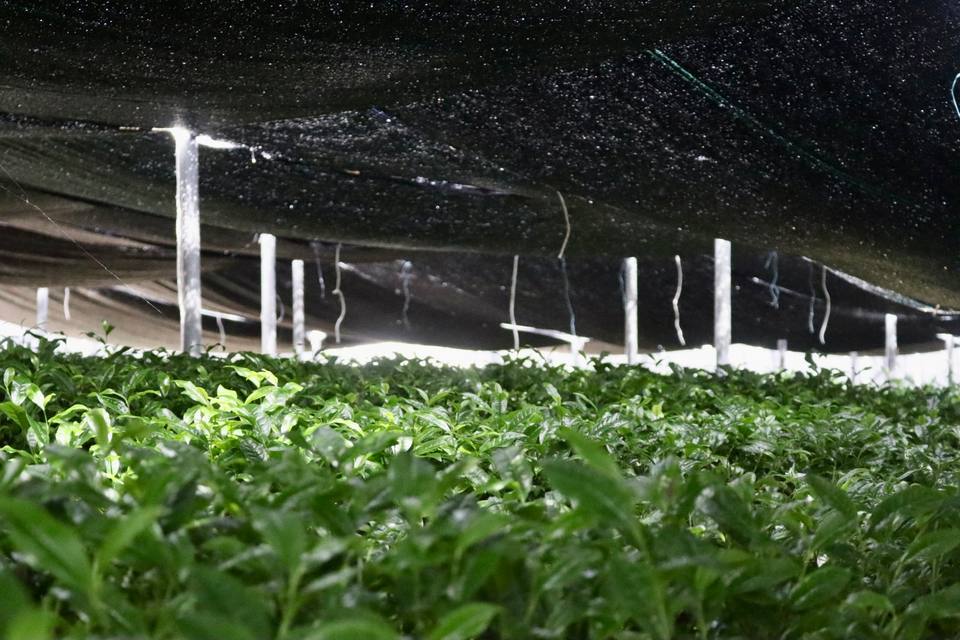
ShadingUnder a tana, a shade roof raised above the bushes, for weeks before picking
HarvestSpring 2025, picked by hand
RestedThrough summer 2025, after the spring picking
Size20 g, in a heat-sealed bag · about 5 pots, 3–4 g each
Tea bushes under a shade roof of black cloth held up on posts, at Hattori Tea Farm in Kikugawa, Shizuoka
Who grows it · 畑

Hattori Tea Farm,
Kikugawa.

A tea farm in Kikugawa, Shizuoka: four generations of tea farming since 1905. Both of our gyokuro come from there.

Our Saemidori is a single cultivar, a cross of Yabukita and Asatsuyu, shaded under a tana for weeks and picked by hand: the 2025 harvest.

The year in this tea

The year in this tea

春

Spring

The first cup steeped cool, at 35 °C, the way the bar begins it.

夏

Summer

Three small cups, from cool to hot.

秋

Autumn

At the bar: three steepings, with almonds and a koji-butter date.

冬

Winter

The third cup at 90 °C, then the leaves, with a pinch of flaky salt.

The other teas

Yoi宵

Start hereWater, or milk without sugar

from €35 · 20 g · €1,750 per kg · also 40 gincl. VAT · plus post

Food information

Food information

NameGyokuro, green tea, loose leaf
Net quantity20 g, in a heat-sealed bag
OriginJapan (Shizuoka)
StorageStore cool, dry and dark. Once opened, keep it airtight and away from strong smells.
Best beforeOn the bag, with the lot number
Food business operatorKISSABŌ Chelkowska und Chelkowski GbR, Kopenhagener Straße 16, 10437 Berlin, Germany
Saemidoriさえみどり €29 · 20 g€1,450 per kgincl. VAT · plus post